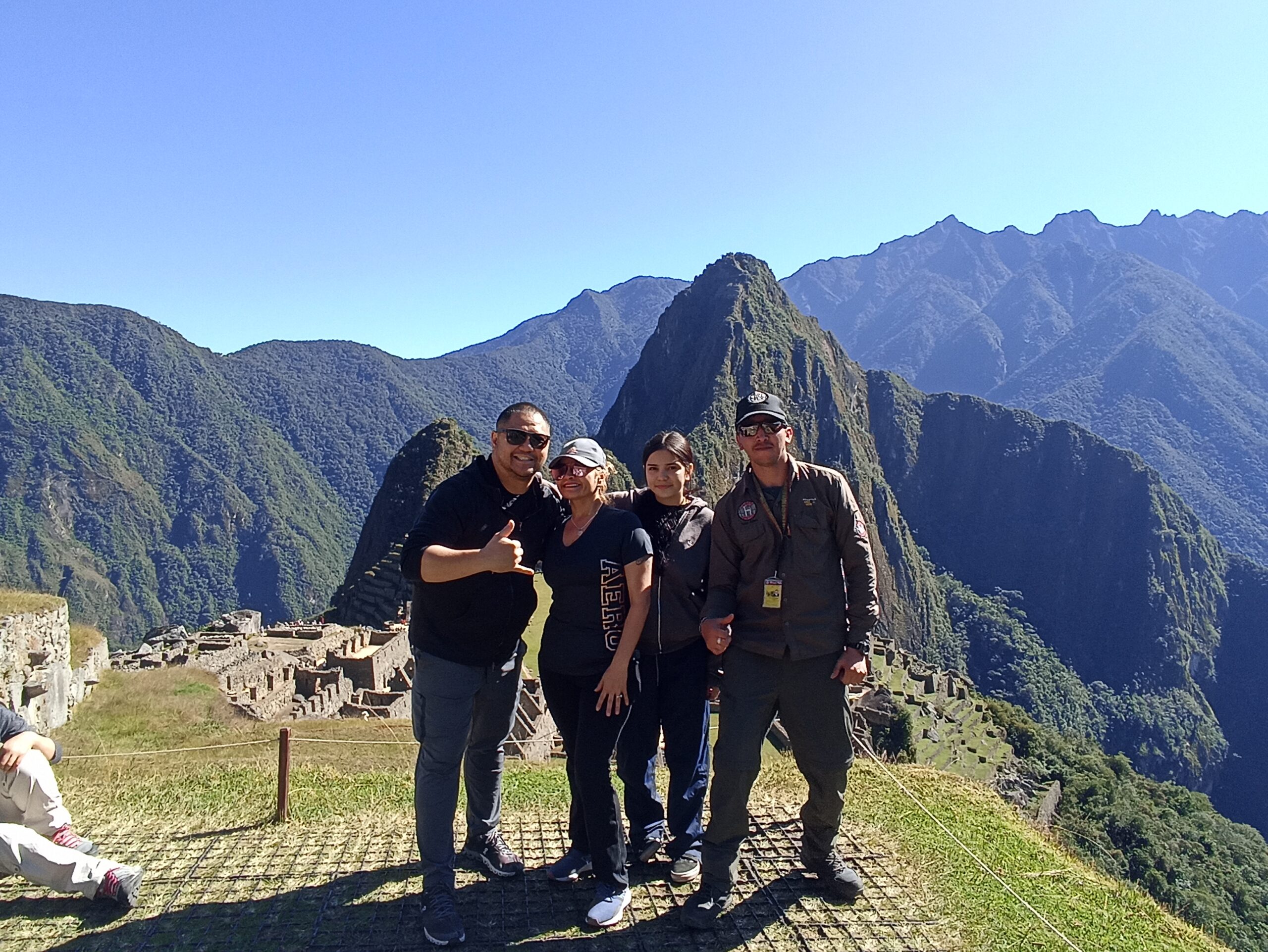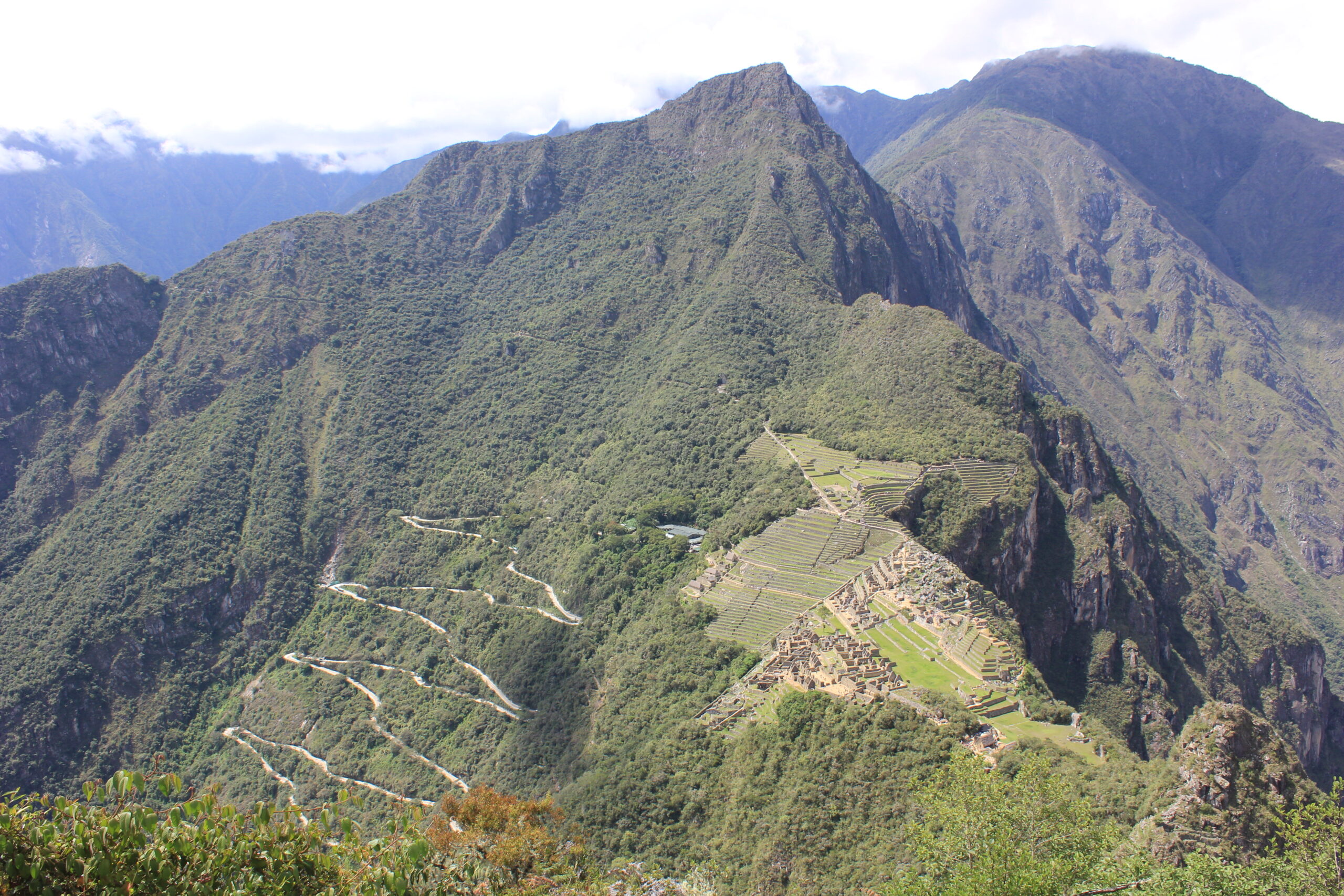
Machu Picchu sits at about 2,430 meters (7,970 feet) above sea level, roughly 1,000 meters lower than Cusco. Most visitors feel the altitude in Cusco, not at Machu Picchu, so the key is to acclimatize before your visit.
Altitudes you will meet
| Place | Approximate altitude |
|---|---|
| Machu Picchu citadel | 2,430 m / 7,970 ft |
| Machu Picchu Mountain (circuit 1-A) | 3,082 m / 10,110 ft |
| Cusco city | 3,400 m / 11,150 ft |
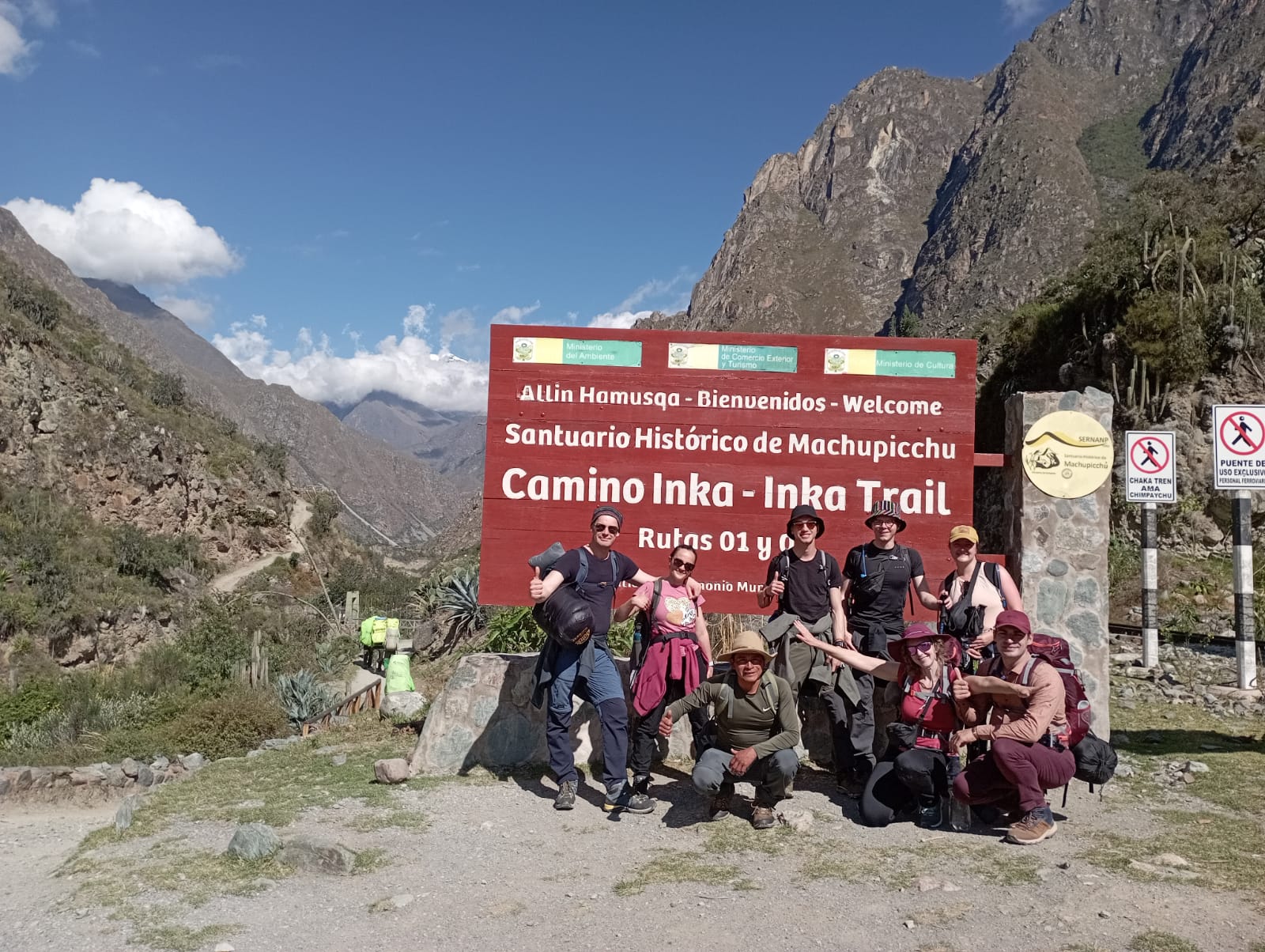
| Inca Trail, highest pass | 4,224 m / 13,860 ft |
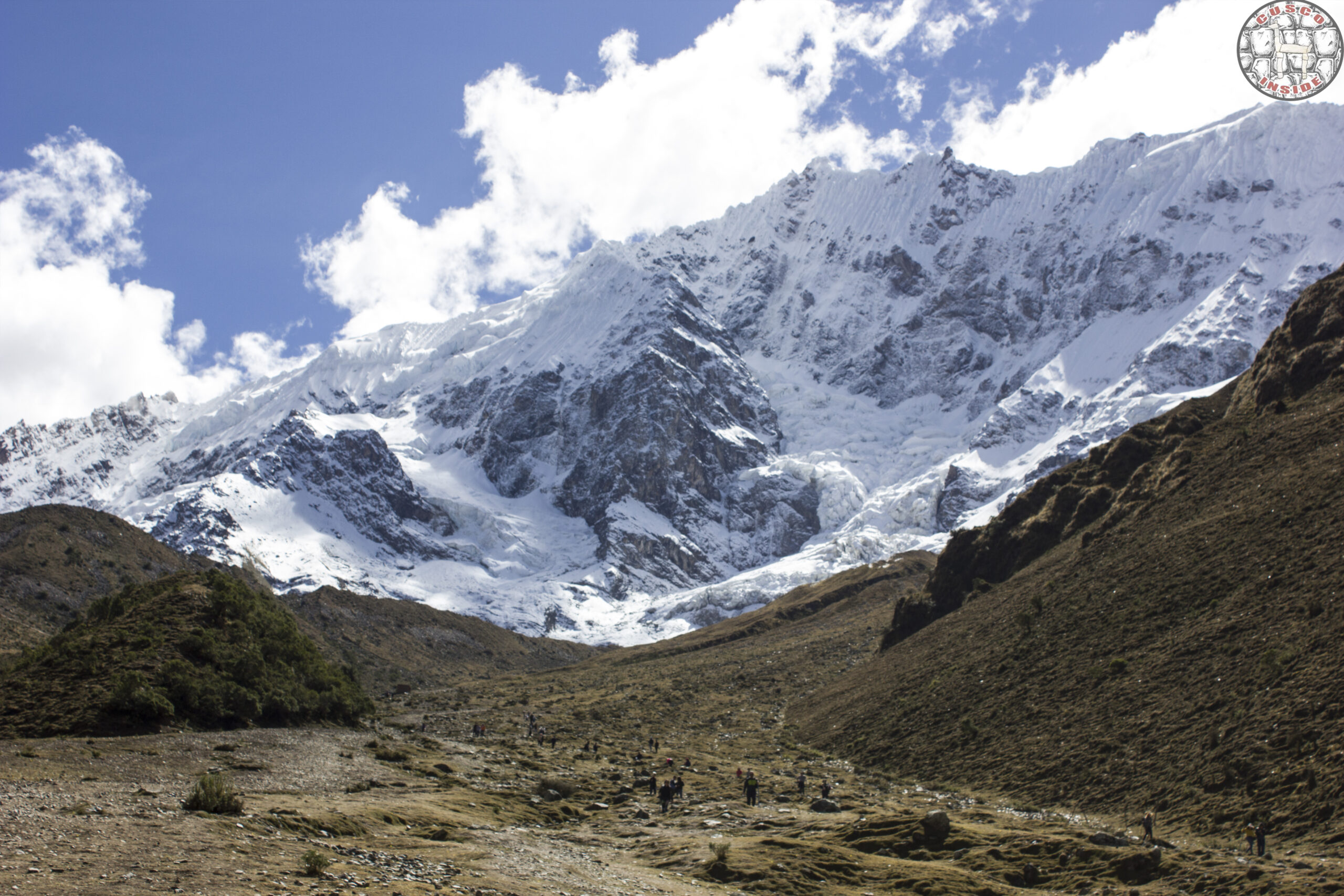
| Salkantay Pass | Over 4,600 m / 15,090 ft |
Will I get altitude sickness?
Altitude sickness (soroche) can affect anyone, regardless of fitness. Common symptoms are headache, tiredness, shortness of breath, nausea and trouble sleeping, usually in the first day or two above about 2,500 m. Mild symptoms tend to ease as your body adjusts. Severe or worsening symptoms need medical attention and a descent.
How to acclimatize
- Plan two easy days: spend your first days in Cusco or in the lower Sacred Valley before any trek.
- Go slow: walk at a gentle pace on arrival; a half-day city tour is ideal.
- Drink water and limit alcohol during the first days.
- Coca tea is a local custom many travelers find helpful.
- Ask your doctor before the trip about medication for altitude, especially if you have heart or lung conditions.
Order your itinerary well
Many travelers go from Cusco to the Sacred Valley and Machu Picchu first, which are lower, and save high hikes like Rainbow Mountain or Humantay Lake for the end of the trip. Our advisors plan this order for you in our Peru tour packages.
Read more in our guide to altitude sickness in Peru.
Altitudes from PeruRail and common references. This article is general information, not medical advice. Sources: PeruRail · Entradas a Machu Picchu; PeruRail · Camino Inca.