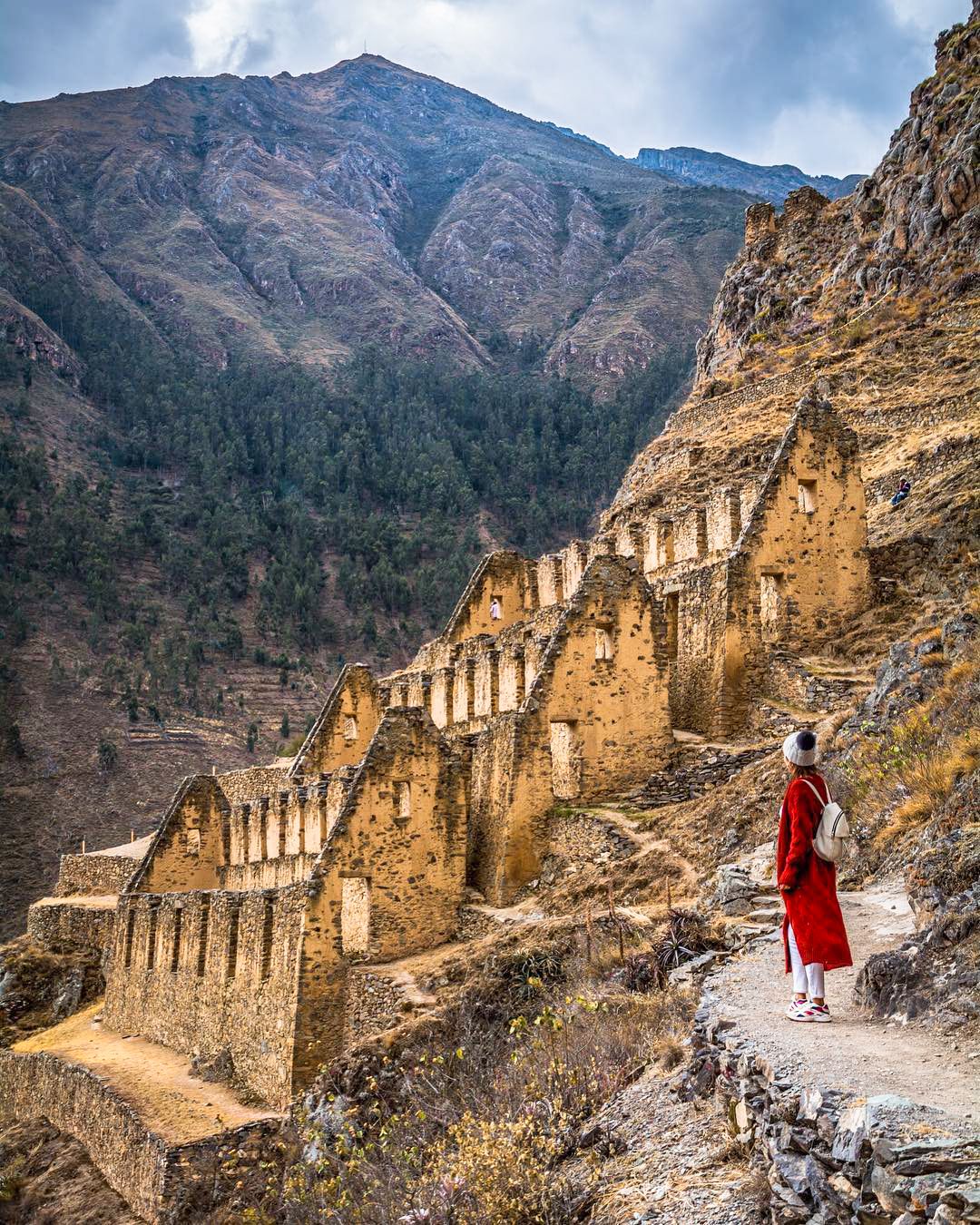
Ollantaytambo:
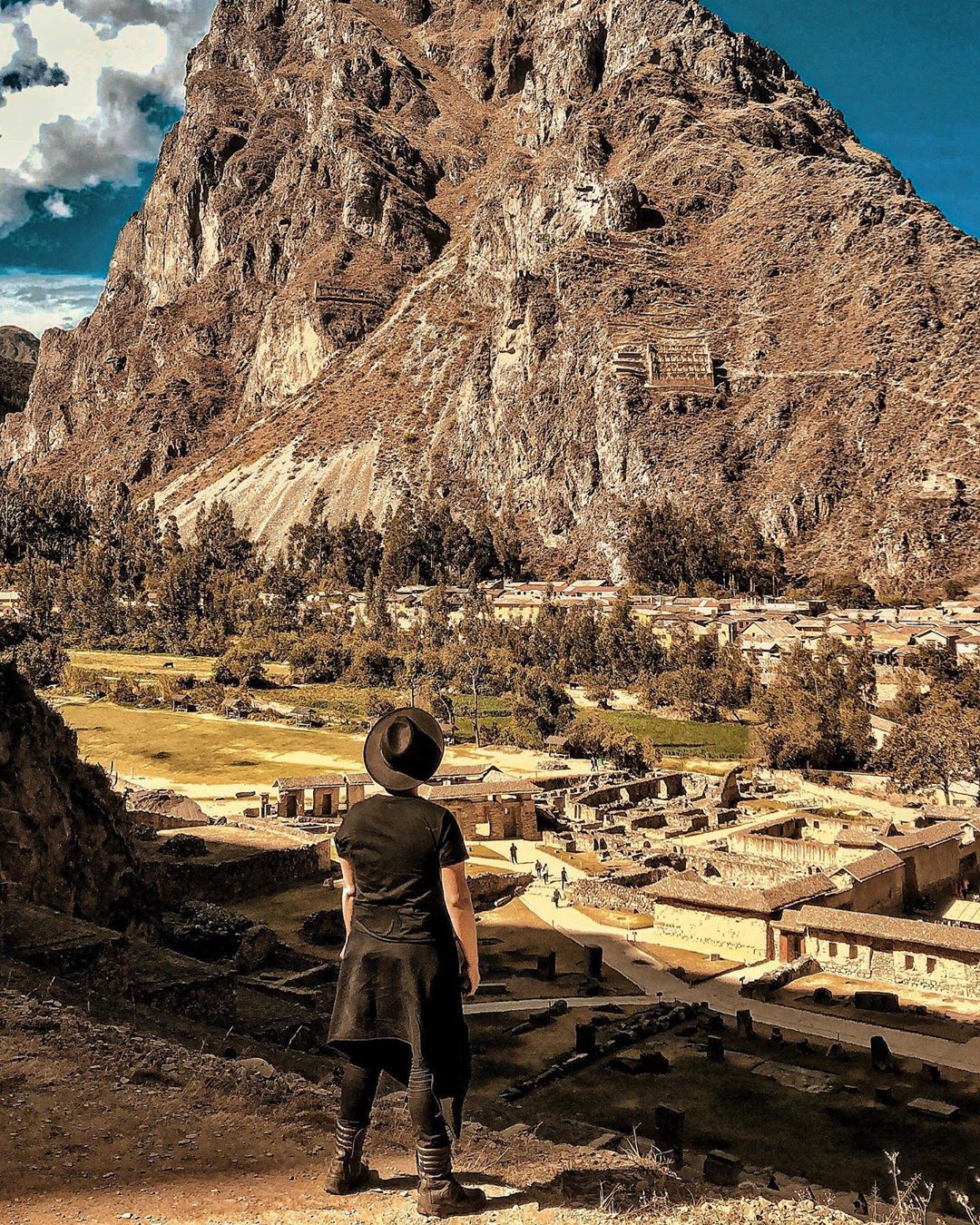
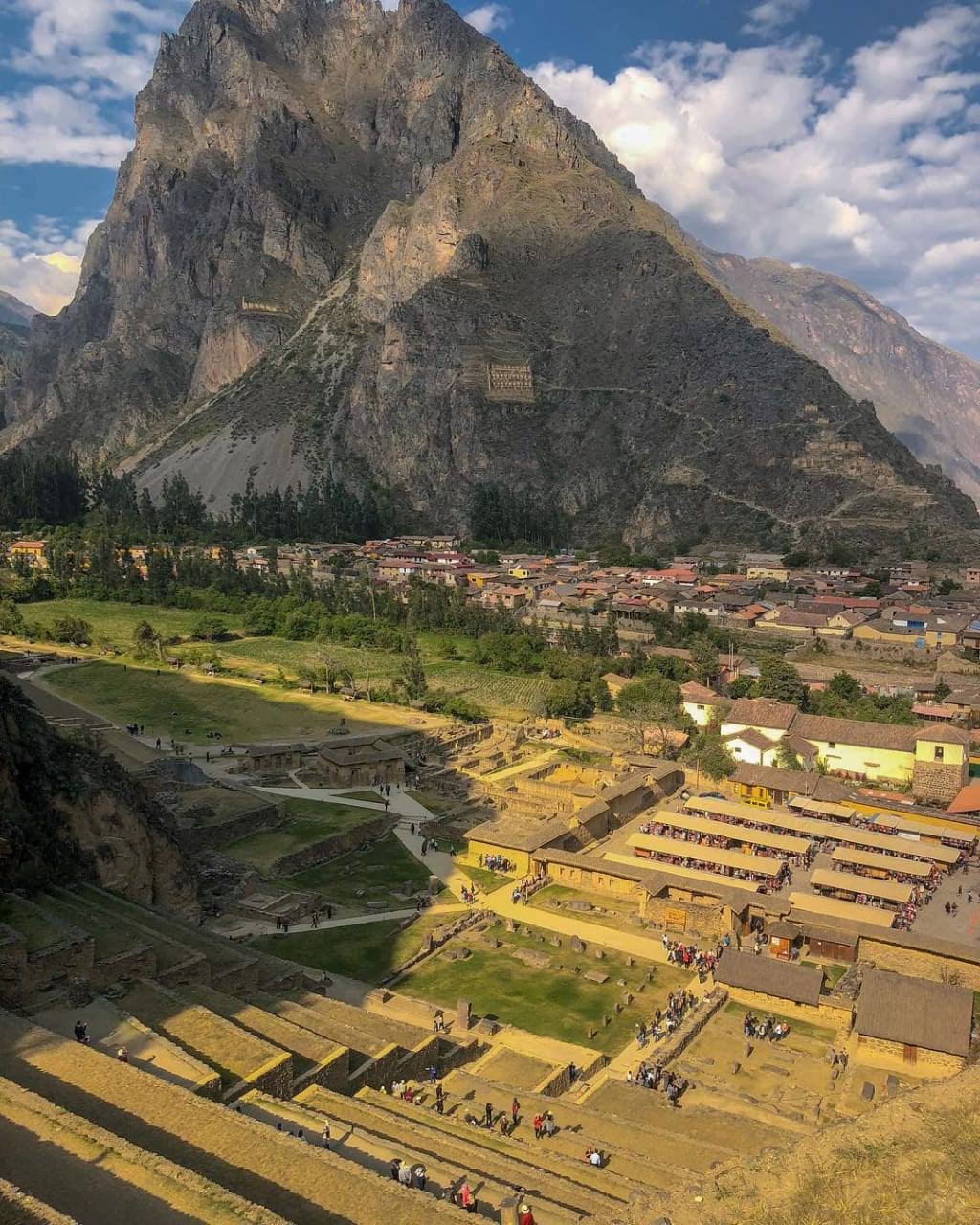
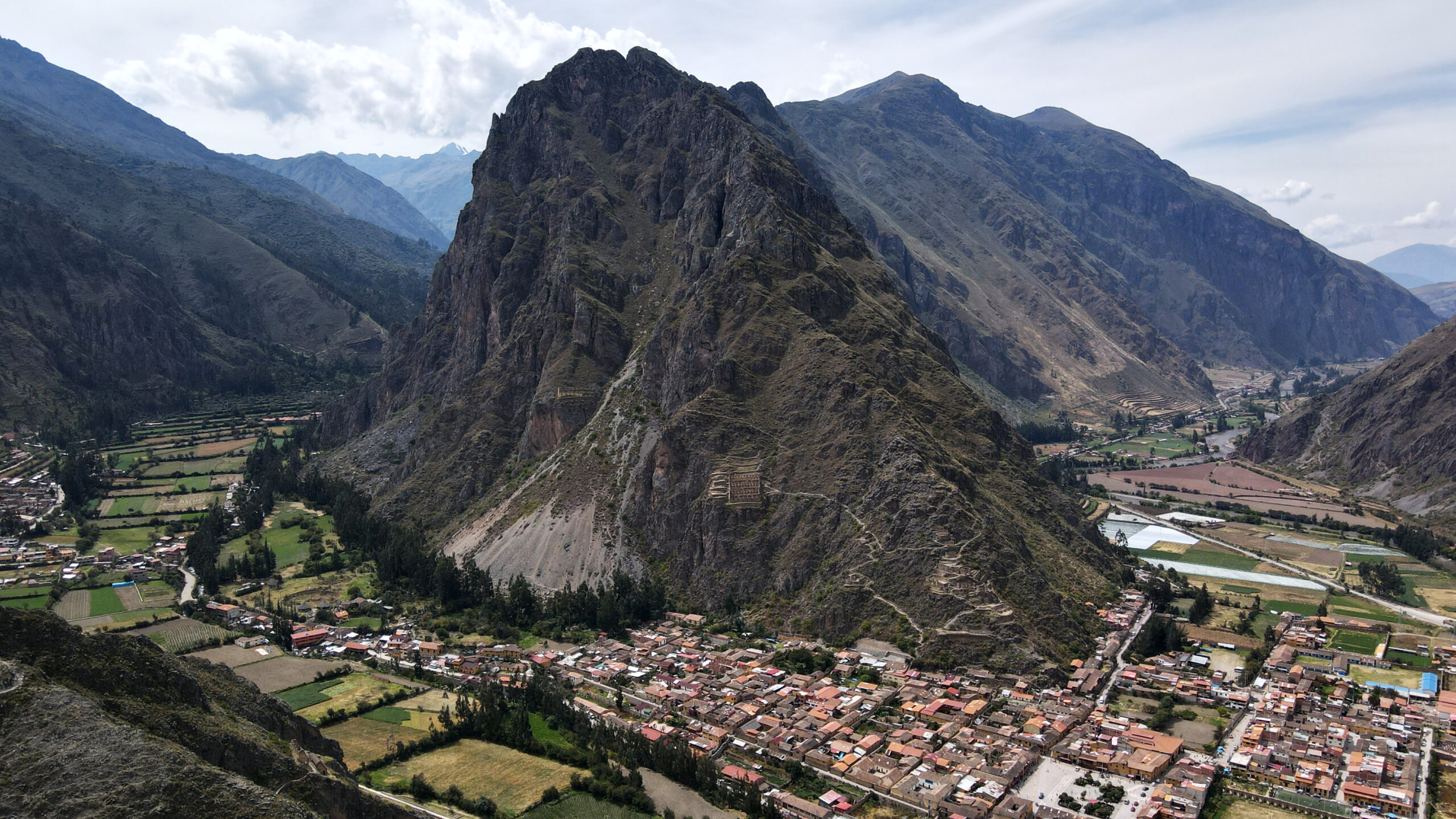
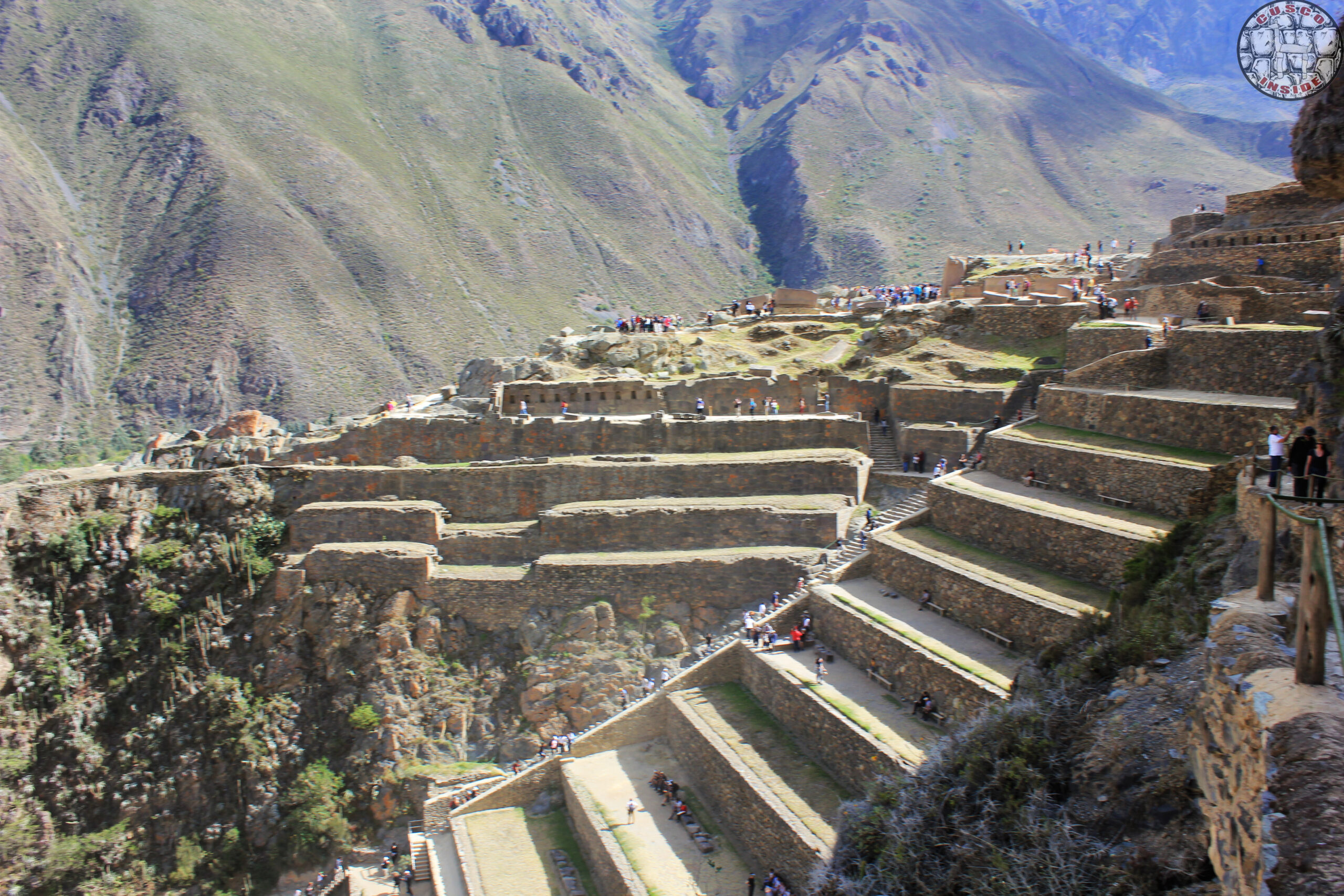
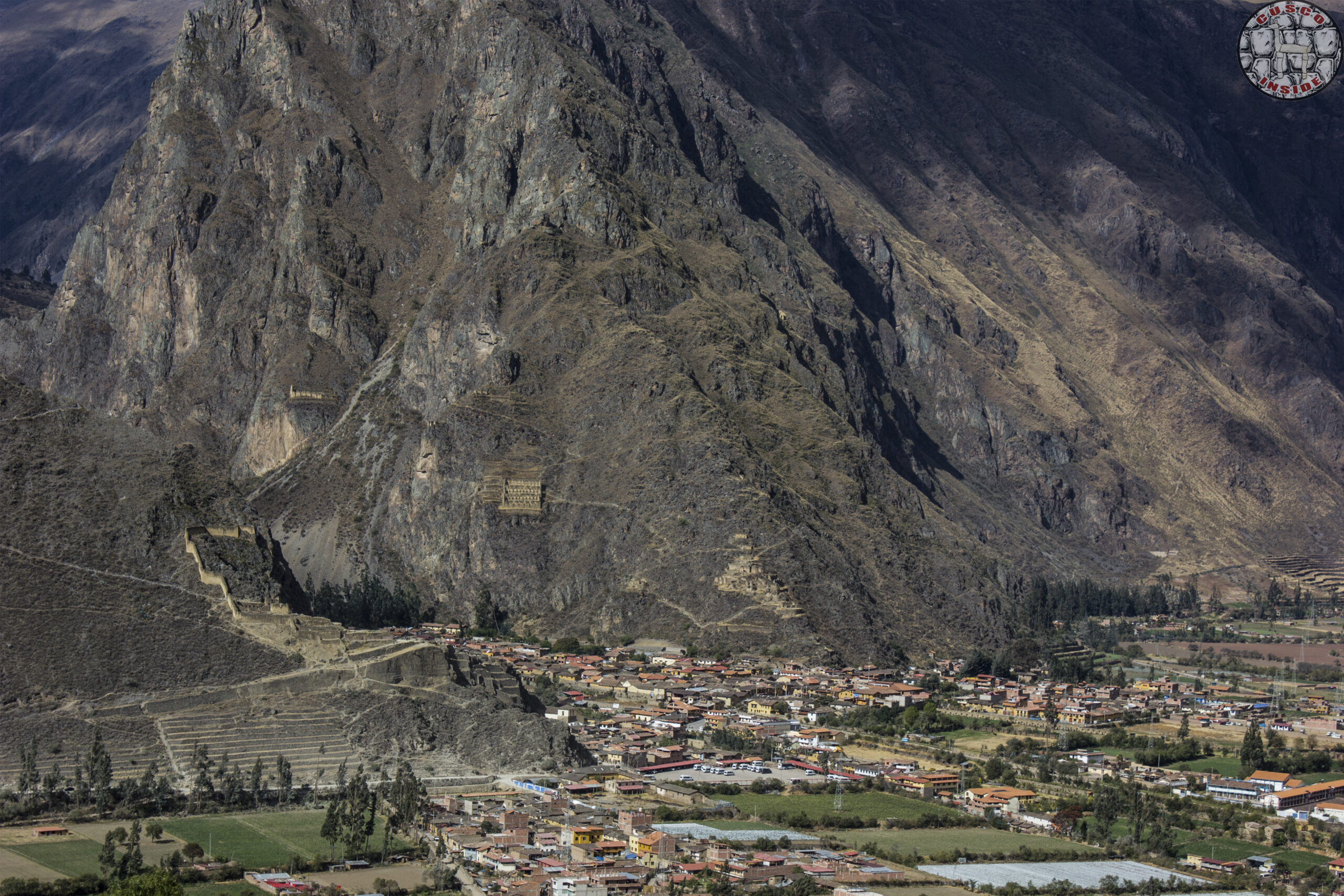
(Quechua: Ollantay tampu) is a town and Inca archaeological site, capital of the district of Ollantaytambo (province of Urubamba), located in southern Peru about 90 km northwest of the city of Cusco. At the time of the Spanish conquest it served as a stronghold of Manco Inca Yupanqui, leader of the Inca resistance. Ollantaytambo was a strategic military, agricultural and religious center for administering and controlling the Sacred Valley of the Incas, as suggested by the structures believed to have been agricultural storehouses and military works such as walls and watchtowers (probably for protection against the jungle peoples). A stairway of 150 steps separates the summit from the lower part, and the perfectly carved stones, clearly dedicated to the worship of water, closely resemble those of Tipón (in Cusco’s South Valley). This site was a ceremonial center of purification and water worship. The archaeological site consists of a series of stepped terraces, with impressive large blocks of finely carved stone on the upper terrace (Temple of the Sun). The Inca remains at Ollantaytambo are the vestiges of the town that Pachacútec ordered to be built after subduing its inhabitants and conquering these lands. Imposing agricultural infrastructure was created, made up of hundreds of terraces and canals to secure the farmland, along with control and watch posts on the hilltops and domestic and ceremonial buildings. Manyaraqui Square and its fountains are believed to have been part of a center for the worship of water. On Pinkuylluna Hill (Tunupa) stand huge two- and three-story stone buildings believed to have been agricultural storehouses (qolqas) or lookouts, along with an enormous rock that resembles the face of an Inca watching over Ollantaytambo.
The town of Ollantaytambo is known as the “living Inca city” because its inhabitants still live according to the customs and traditions inherited from their ancestors.
From Ollantaytambo it is possible to visit the village of Willoq, where Quechua is spoken and whose red and black garments resemble the huayruro, a red and black seed used as an amulet. Ollantaytambo is the only original Inca town still standing, as is evident in the fifteen blocks that make up the town.