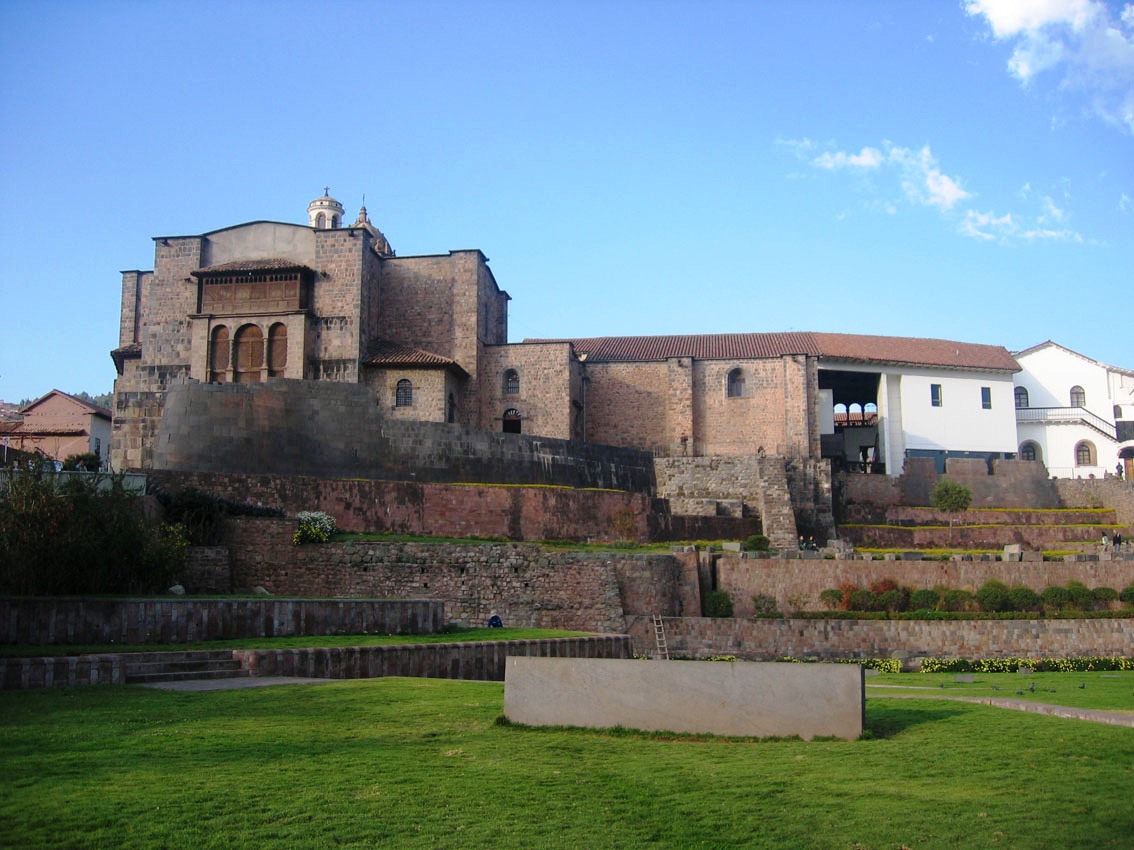
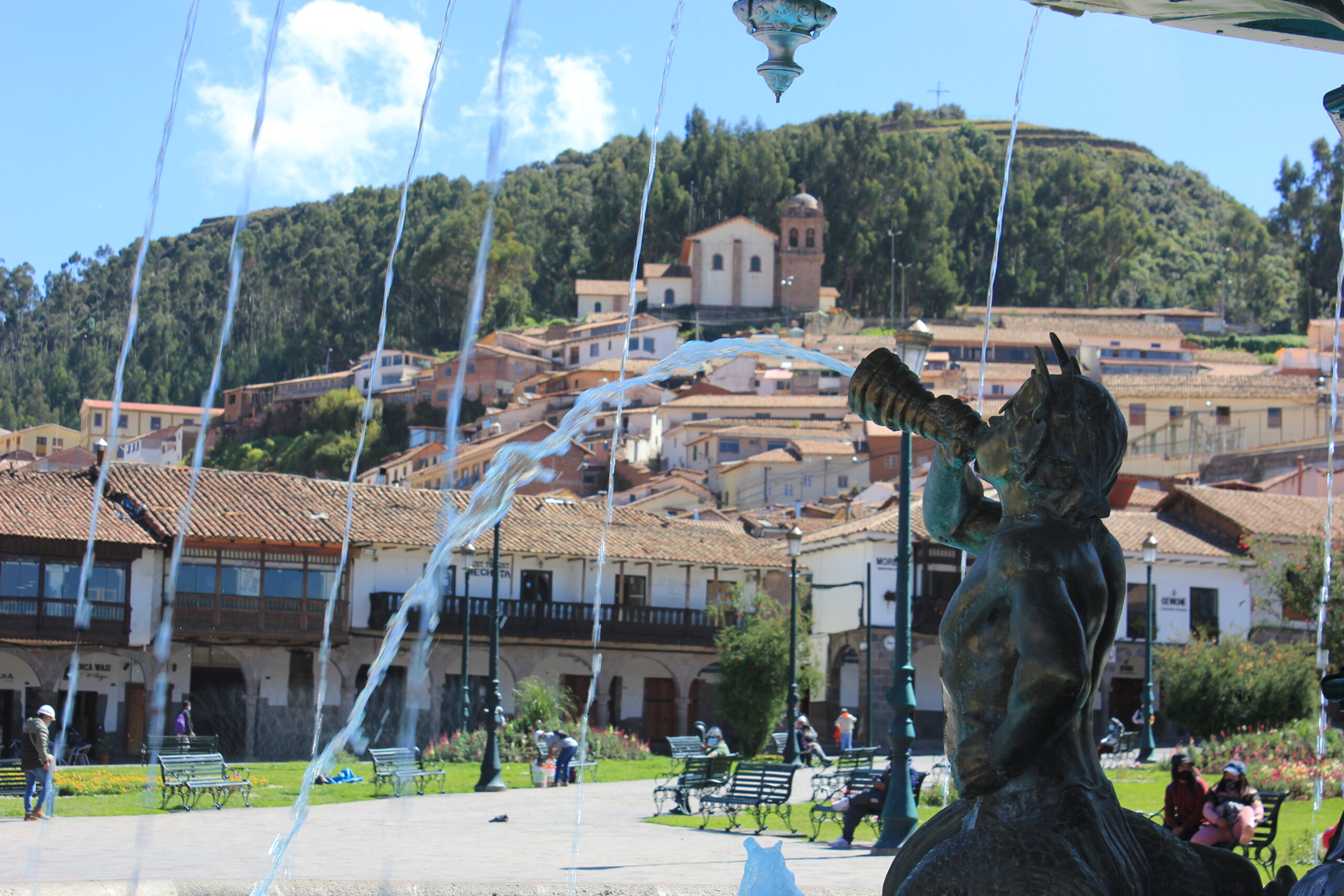
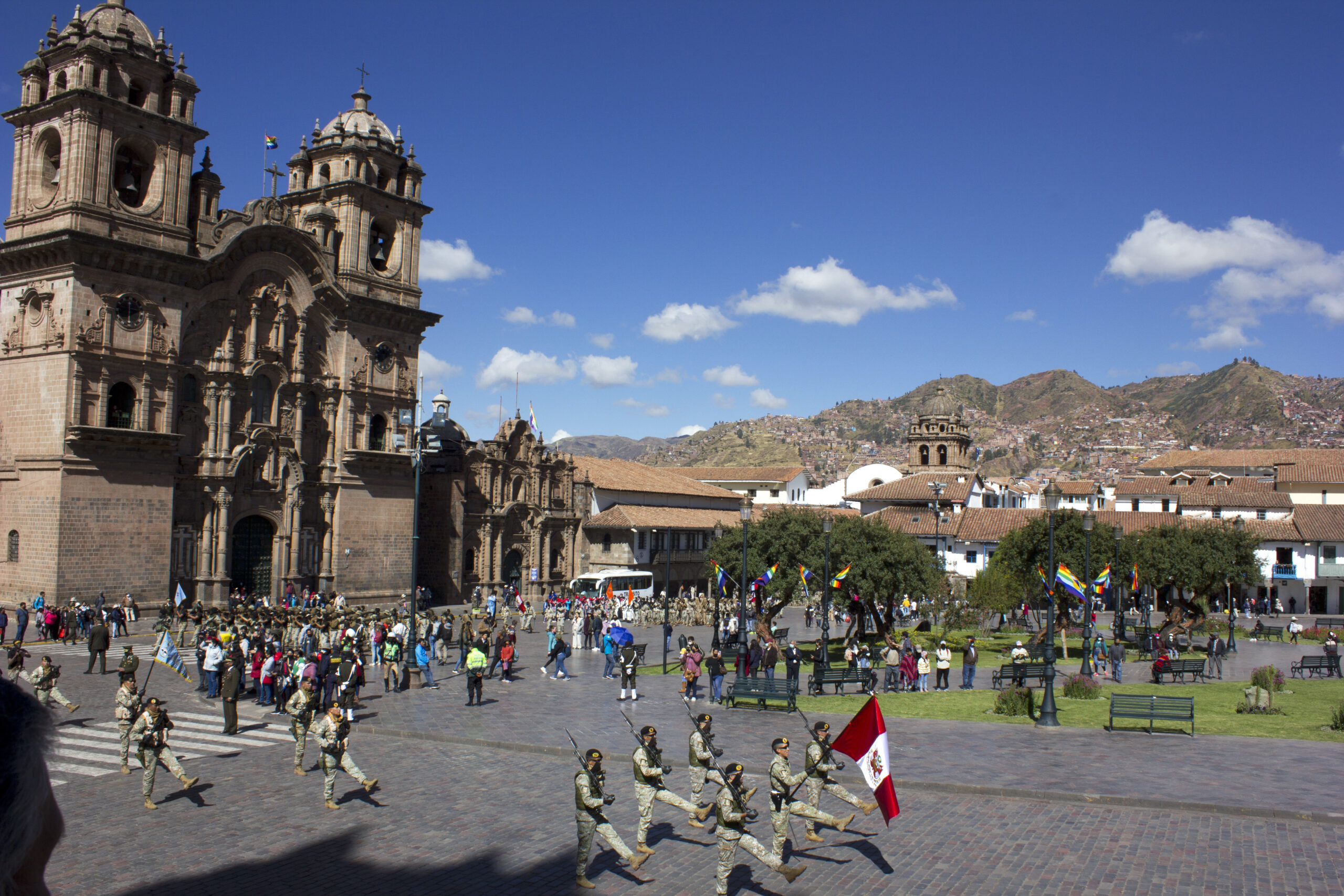
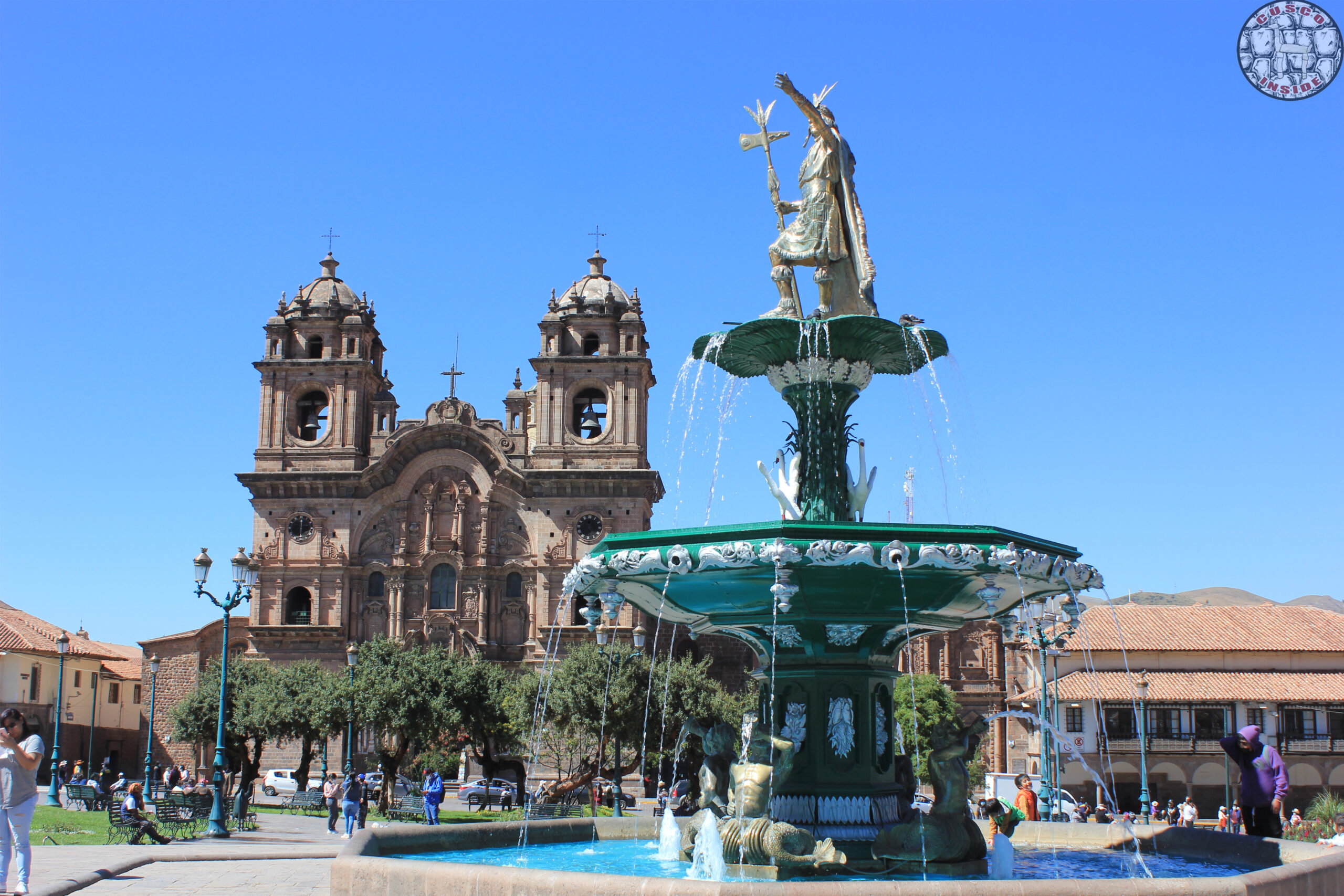
The history of Cusco, once the capital of the majestic Inca Empire and later the capital of the Spanish colony, goes back almost ten centuries and lives on in its beautiful churches.
The Cathedral:
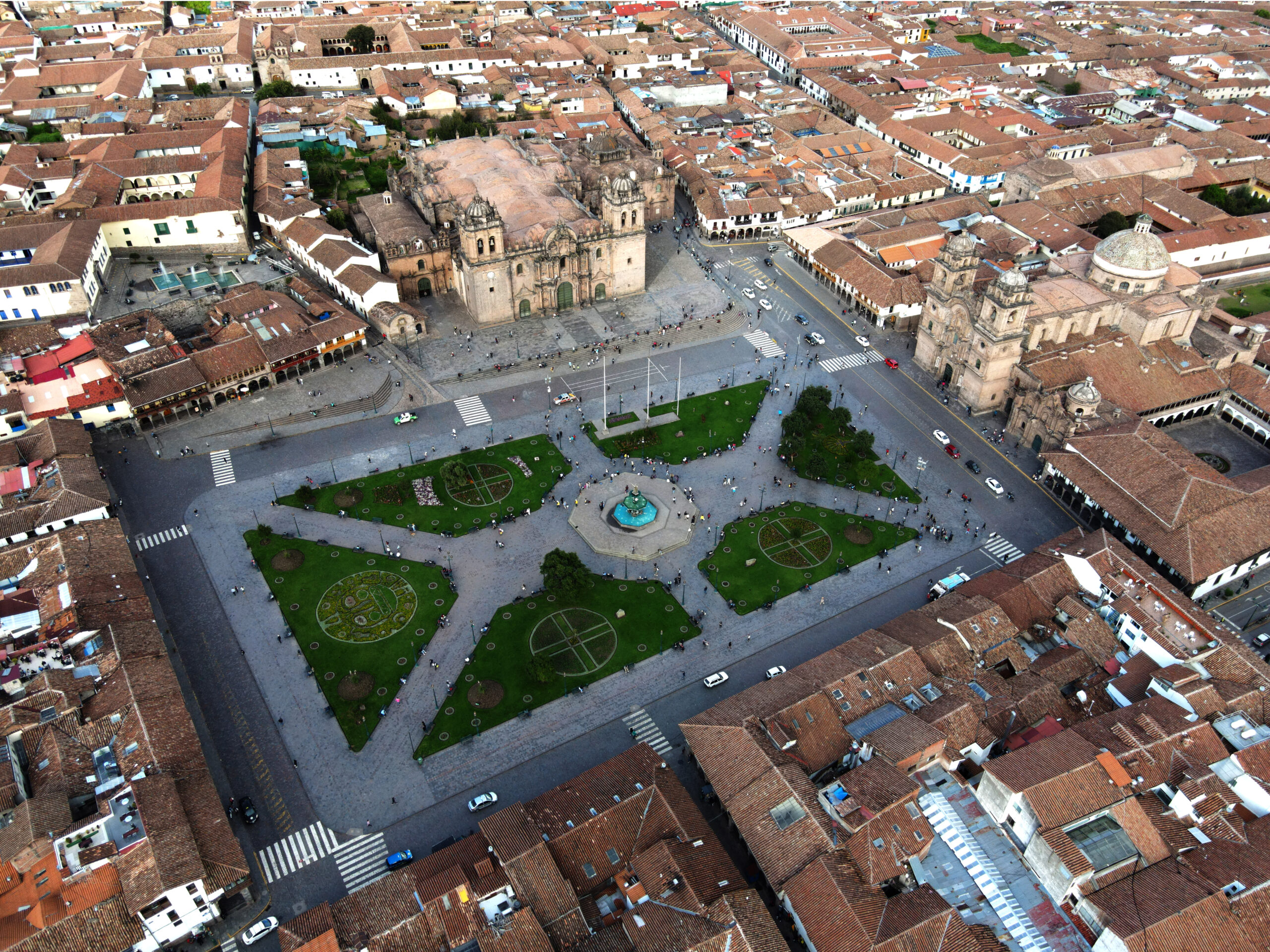
The Cathedral, or Cathedral Basilica of the Virgin of the Assumption, is the main church of the city of Cusco and of Peru, and the seat of the Diocese of Cusco. It stands on the northeast side of today’s Plaza de Armas, together with the churches of El Triunfo and the Sagrada Familia, which form part of the cathedral complex. This site was once the Suntur Wasi, the palace of the Inca Wiracocha. The complex covers an area of 3,956 m² and is the most important religious monument in Cusco’s historic center.
The Church of La Compañía de Jesús:
This Jesuit church, built in the city of Cusco, stands on the site of the Amarucancha, the palace of Huayna Cápac, on the Plaza de Armas in the heart of the city. It is a fine example of Andean Baroque architecture. Construction began in 1576, but the church was badly damaged in the earthquake of 1650; the rebuilt church was completed almost two decades later. Its most notable work of art is a painting depicting the marriage of Martín García de Loyola, nephew of Ignatius of Loyola, to Beatriz.
Church of La Merced:
The Church of La Merced in Cusco (also called the Minor Basilica of La Merced) belongs to the Mercedarian Order and is located one block from the Plaza de Armas, on Plaza Espinar, in the historic center of the Imperial City. The church has a basilica floor plan with three naves, magnificent Baroque altars in the side aisles and a Neoclassical main altar. The choir stalls, colonial paintings and polychrome wood carvings are especially noteworthy. Because of the earthquakes that have struck the city, La Merced has been rebuilt and restored more than once. Its foundation and first construction date from the first half of the 16th century; the present church replaced the original one destroyed by the earthquake of 1650. Next to the church you can visit the Mercedarian convent and its beautiful Baroque cloisters.
Casa Garcilaso Museum, Cusco:
The museum has its origins in the Viceregal Museum, created by Supreme Decree No. 1335 of April 30, 1946. It opened its exhibition with donations from the Concha Iberico family, in the premises of the former Sociedad Mutua de Empleados. It later moved to the Casa de los Cuatro Bustos on San Agustín Street (today the Palacio del Inka hotel). In view of the importance of its collections, the National Institute of Culture acquired the house of Inca Garcilaso de la Vega, and by Supreme Resolution No. 207 of March 1, 1967, the Viceregal Museum was elevated to the category of Regional Historical Museum.
Santa Catalina Convent:
The building that now houses this museum was known in Inca times as the Acllawasi, or House of the Chosen Women. Here the most beautiful women of the empire were secluded, some devoted to the worship of the sun and others to the service of the Inca, as well as to weaving and the culinary arts.
The Monastery of Santa Catalina was founded in 1601 in the city of Arequipa, but was soon moved to Cusco because of a series of devastating natural disasters that struck that city in the early 17th century. The foundation was the initiative of the wealthy widow Doña Lucía Rivera de Padilla. The first 25 professed nuns arrived in Cusco in February 1605. Like other monastic churches, its austere exterior features two identical Renaissance doorways and a bell gable in place of a tower, all in contrast to the rich decoration of the interior, laid out in a single elongated nave of Isabelline design.
Indigenous masons and stonecutters such as Mariano and Melchor Huamán took part in its construction.