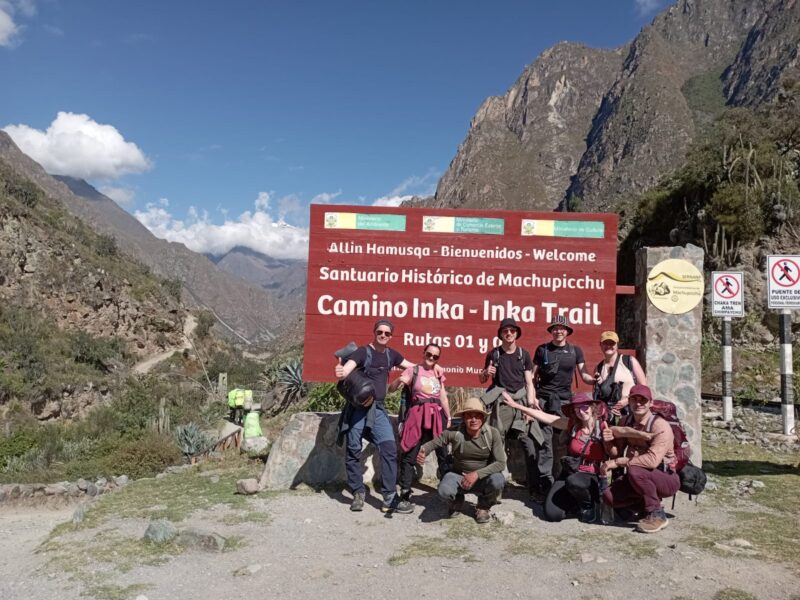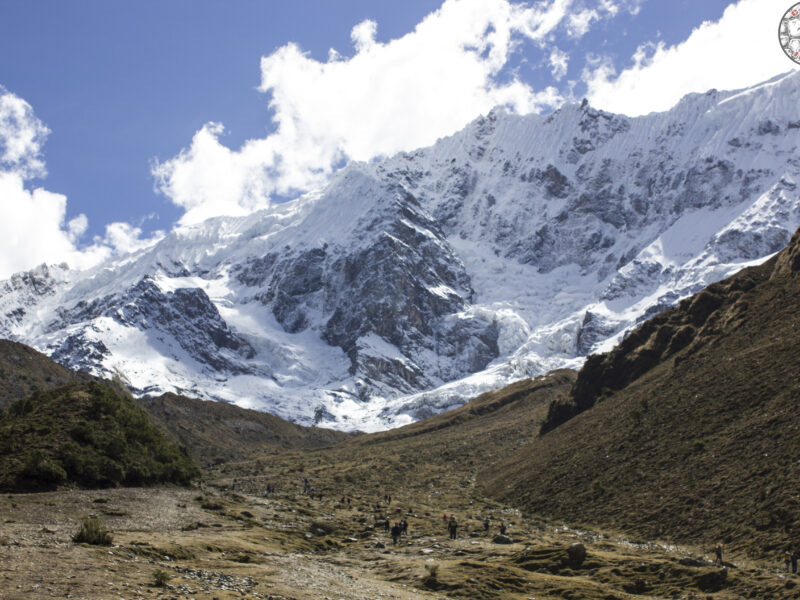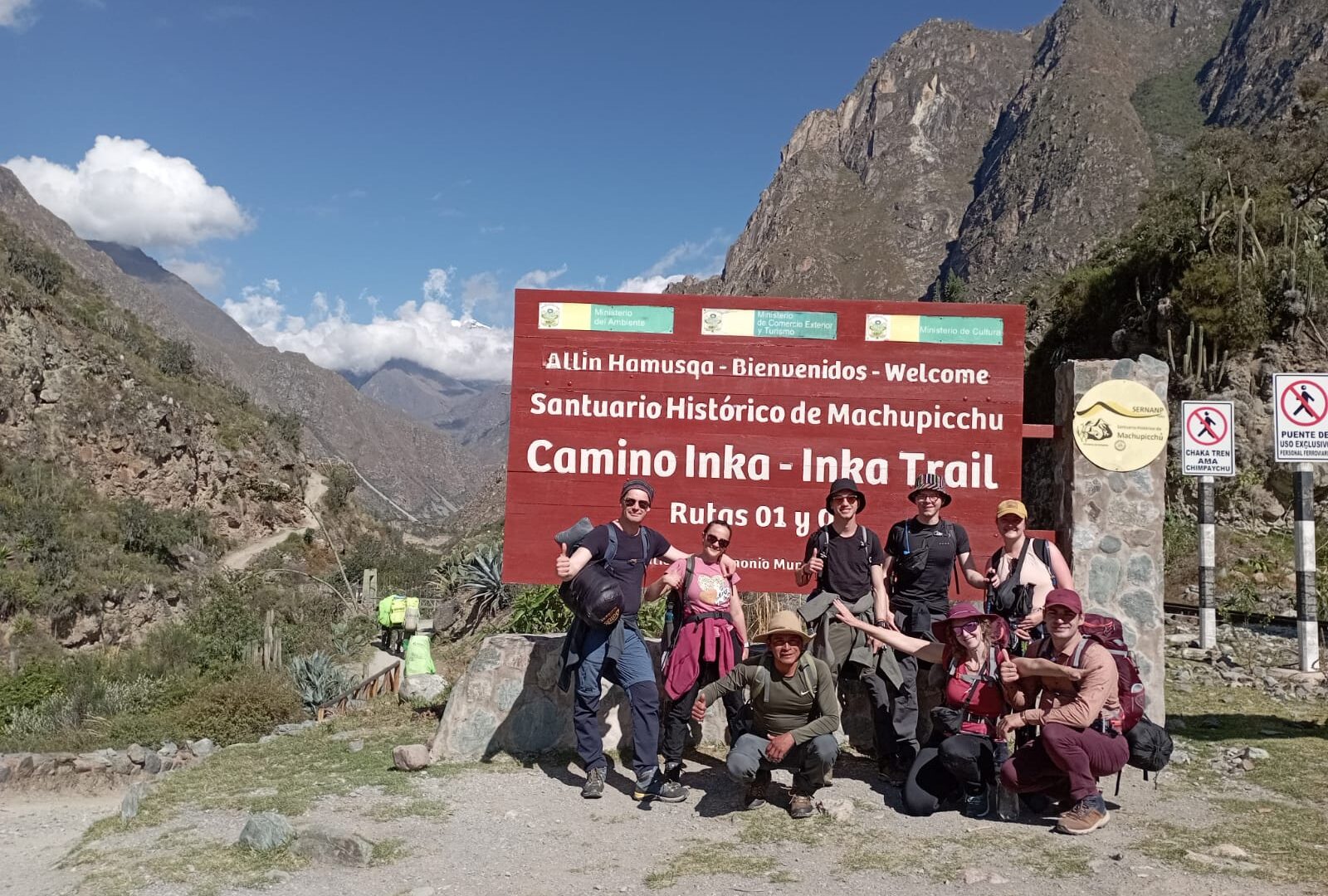
If this is your first trek at altitude and you can get a permit, the Inca Trail is usually the better choice: its highest point is about 4,200 m, against more than 4,600 m on the Salkantay, and you reach Machu Picchu on foot through the Sun Gate. The Salkantay is a great alternative if permits are gone or you book late, but the altitude asks more of your body.
The two treks side by side
| Inca Trail, 4 days | Salkantay Trek, 4 days | |
|---|---|---|
| Highest point | Warmiwañusca Pass, about 4,200 m | Salkantay Pass, over 4,600 m |
| Hardest day | Day 2: about 9 km of steep climbing to the pass | Day 2: about 3 hours up to the pass, then 5 hours down |
| Hiking hours | 6 to 8 hours on each of the first three days | 7 to 8 hours on days 2 and 3 |
| Permit | Required, limited, sells out months ahead | No Inca Trail permit needed |
| Who carries the gear | Porters (tents, kitchen and food) | Horses (food and camp equipment) |
| Nights | Three nights camping | Two nights in camp, one in a hotel in Aguas Calientes |
| Arrival at Machu Picchu | On foot through Inti Punku at sunrise on day 4 | From Aguas Calientes on day 4 |
| Closed | All of February, for maintenance | Open year-round |
For a full comparison of scenery and history, read Salkantay Trek vs Inca Trail. This guide focuses on one question: which is better for a beginner at altitude?
Why the Inca Trail is easier to start with
- Lower altitude: camps sit between 2,650 and 3,600 m, and you only go above 4,000 m once.
- Lighter pack: porters carry the tents, kitchen and food; you only carry a daypack.
- Motivation: every day brings Inca sites such as Llaqtapata, Runkurakay, Sayacmarca, Phuyupatamarca and Wiñay Wayna, and the last morning you walk into Machu Picchu through the Sun Gate.
The hard part is the permit: daily spaces are limited, it is tied to your passport and the dry months sell out early. See how Inca Trail permits work and book several months ahead.
When to choose the Salkantay
- Permits are sold out for your dates, or you travel in February.
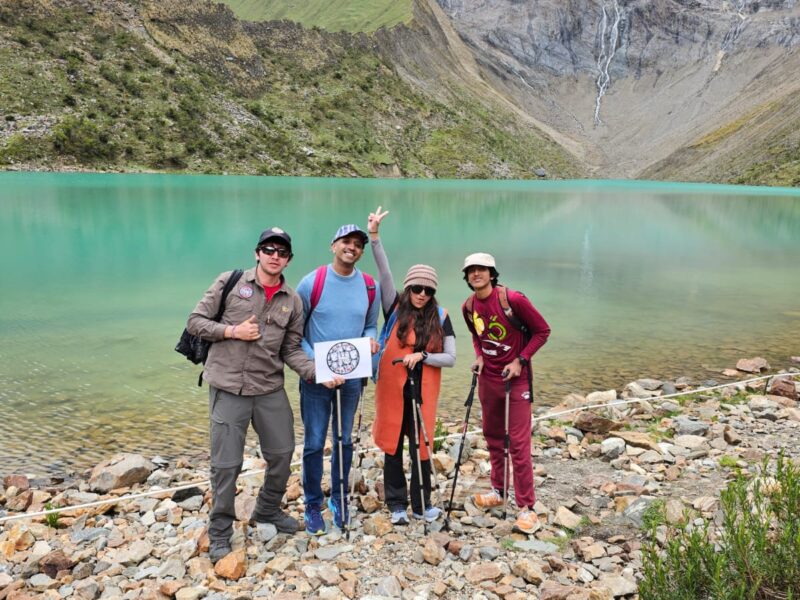
- You care more about glaciers and lakes than ruins: day one passes Humantay Lake.
- You have already hiked above 4,000 m and know how your body reacts.
Keep in mind that the pass is genuinely cold and that the horses carry food and camp gear, not your personal bag: a horse for your luggage costs extra.
Not sure about your fitness?
There are two ways to test yourself before committing to four days:
- The 2-day Inca Trail: it starts at km 104, covers about 12 km past Wiñay Wayna and reaches Machu Picchu the same day, with no camping. From US$ 450 per person.
- A one-day hike such as Humantay Lake or Rainbow Mountain: if it goes well, you are ready for a longer trek.
How to prepare
- Acclimatize: spend at least two days in Cusco or the Sacred Valley first. A multi-day trek should never be the first thing on your trip.
- Train on stairs: in the weeks before, walk up and down stairs or hills with a small pack. The descents are hard on the knees.
- Broken-in boots: never wear new boots on the trail.
- Poles: they help a lot on the way down. On our Inca Trail you can rent poles for US$ 15 and a sleeping bag for US$ 25.
- Listen to your body: a mild headache is normal at first; if it gets worse, or you feel confused or breathless at rest, you need to go down. Our guides carry oxygen and a first-aid kit. Read more about altitude sickness.
FAQ
Which one is harder?
Both are demanding. The Salkantay goes higher, so altitude weighs more; the Inca Trail has endless stone steps, especially going down.
Do I need to be very fit?
You do not need to be an athlete, but you should be able to walk 6 to 8 hours several days in a row. If you have never done anything similar, start with the 2-day version.
How far ahead should I book?
The Inca Trail, 4 to 6 months ahead for May to September. The Salkantay can be booked a few weeks before.
Book your trek
Our 4-day Inca Trail and 4-day Salkantay Trek include an official guide, meals, camping, the Machu Picchu ticket and transport. Send us your dates and we will check permits. Compare every route on our Cusco treks page.
Sources: Cusco Inside itineraries; PeruRail · Camino Inca. Altitudes and distances vary by source. Information checked in November 2026; this is not medical advice.