


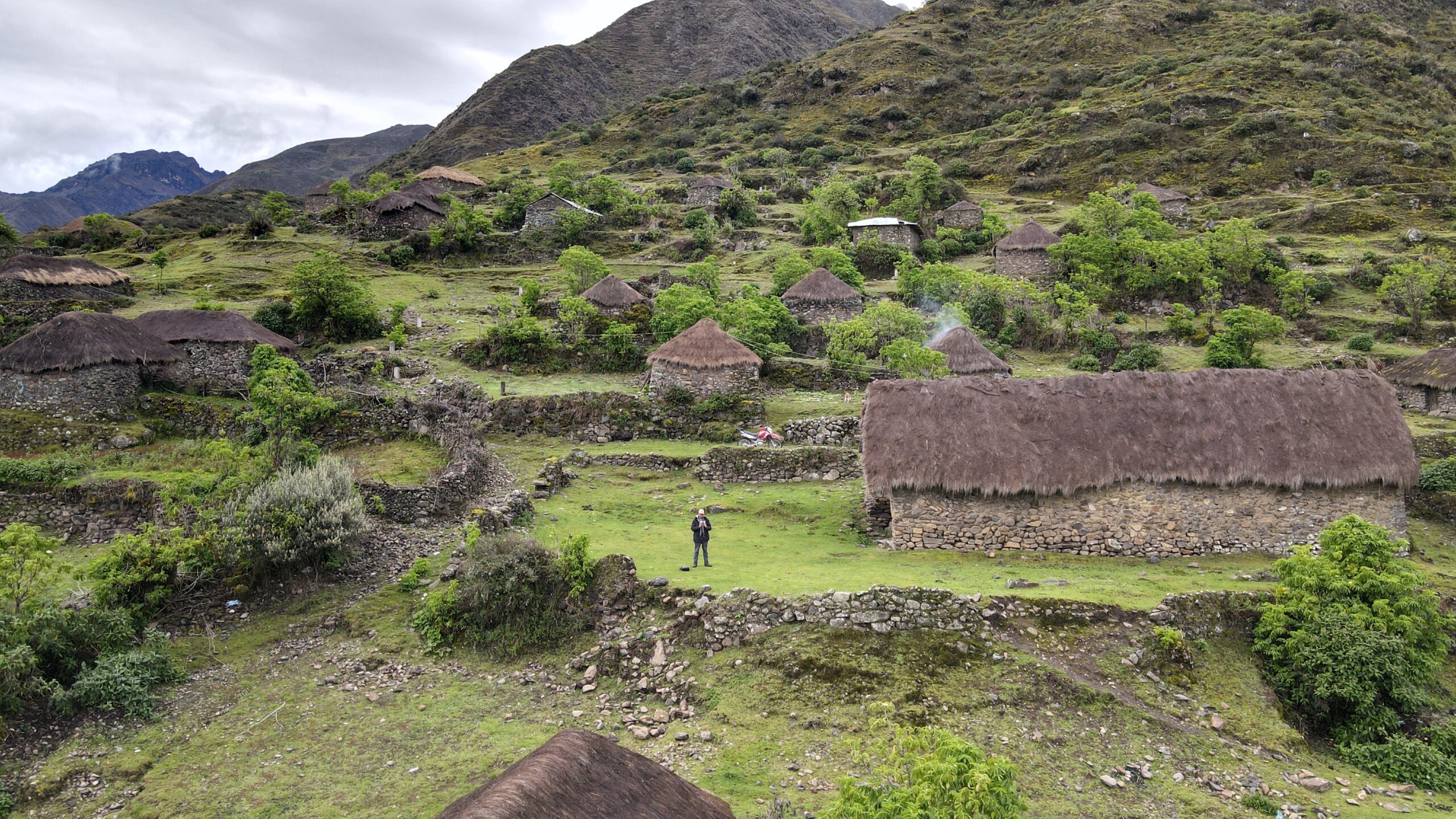
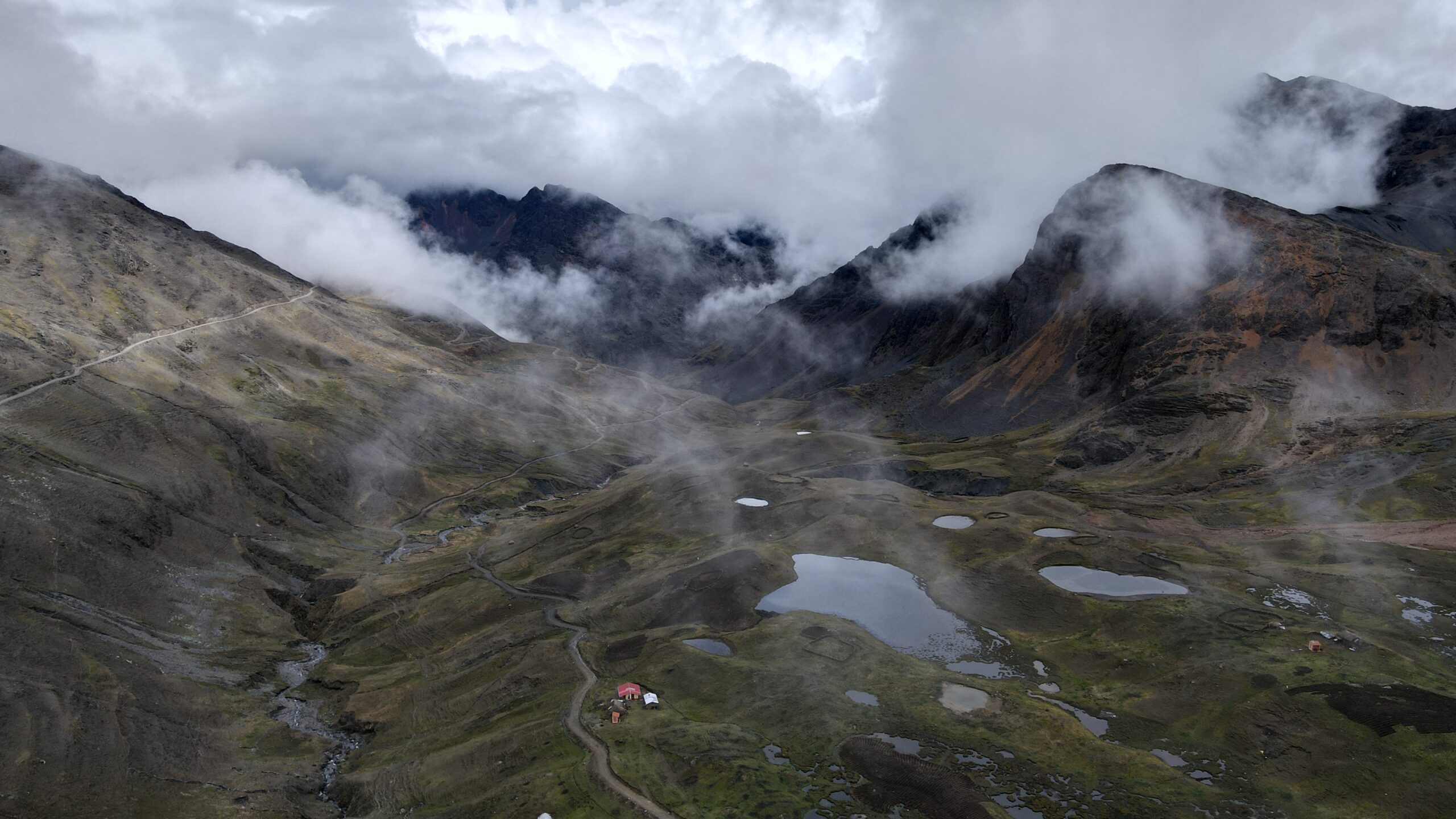
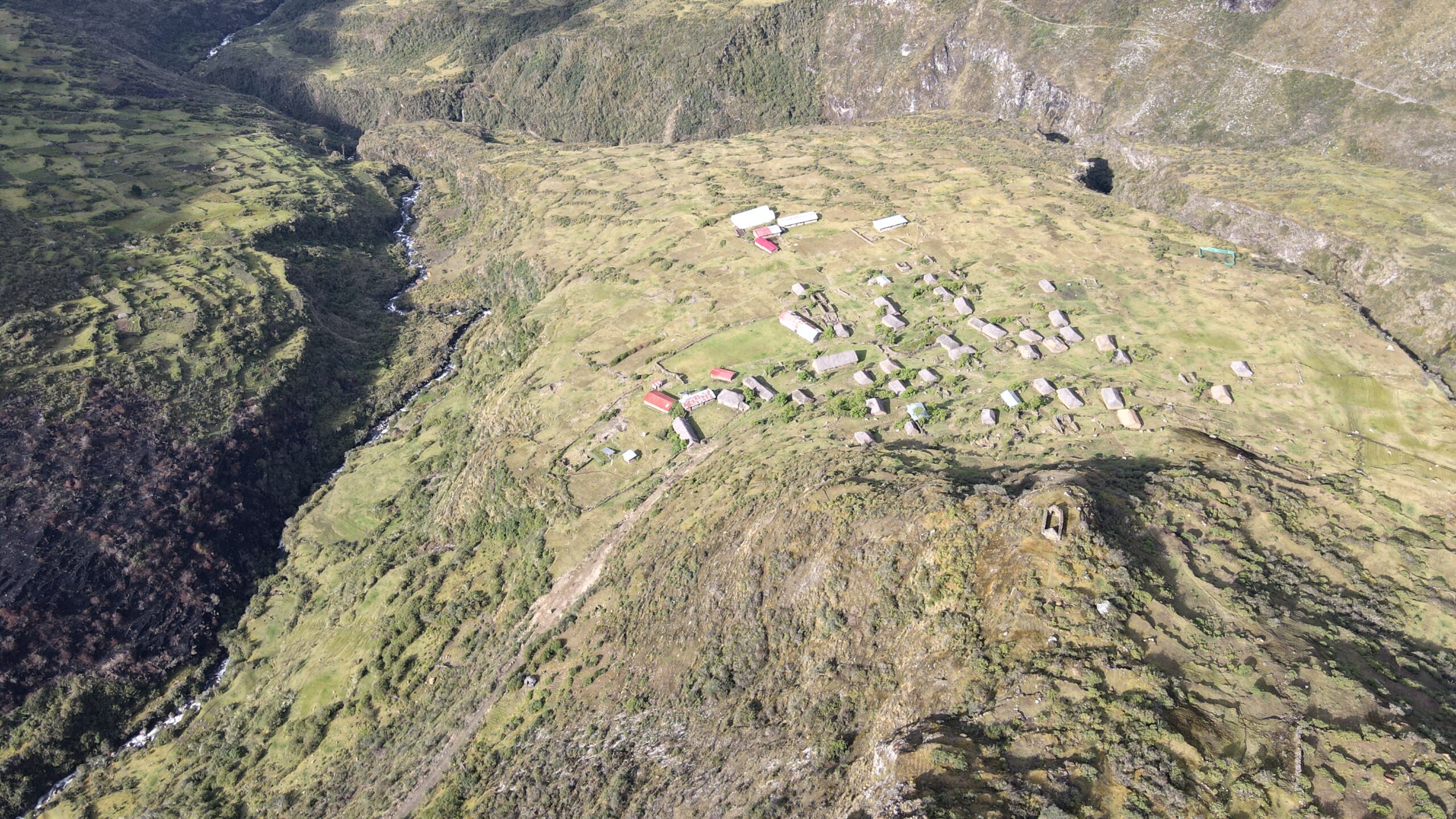
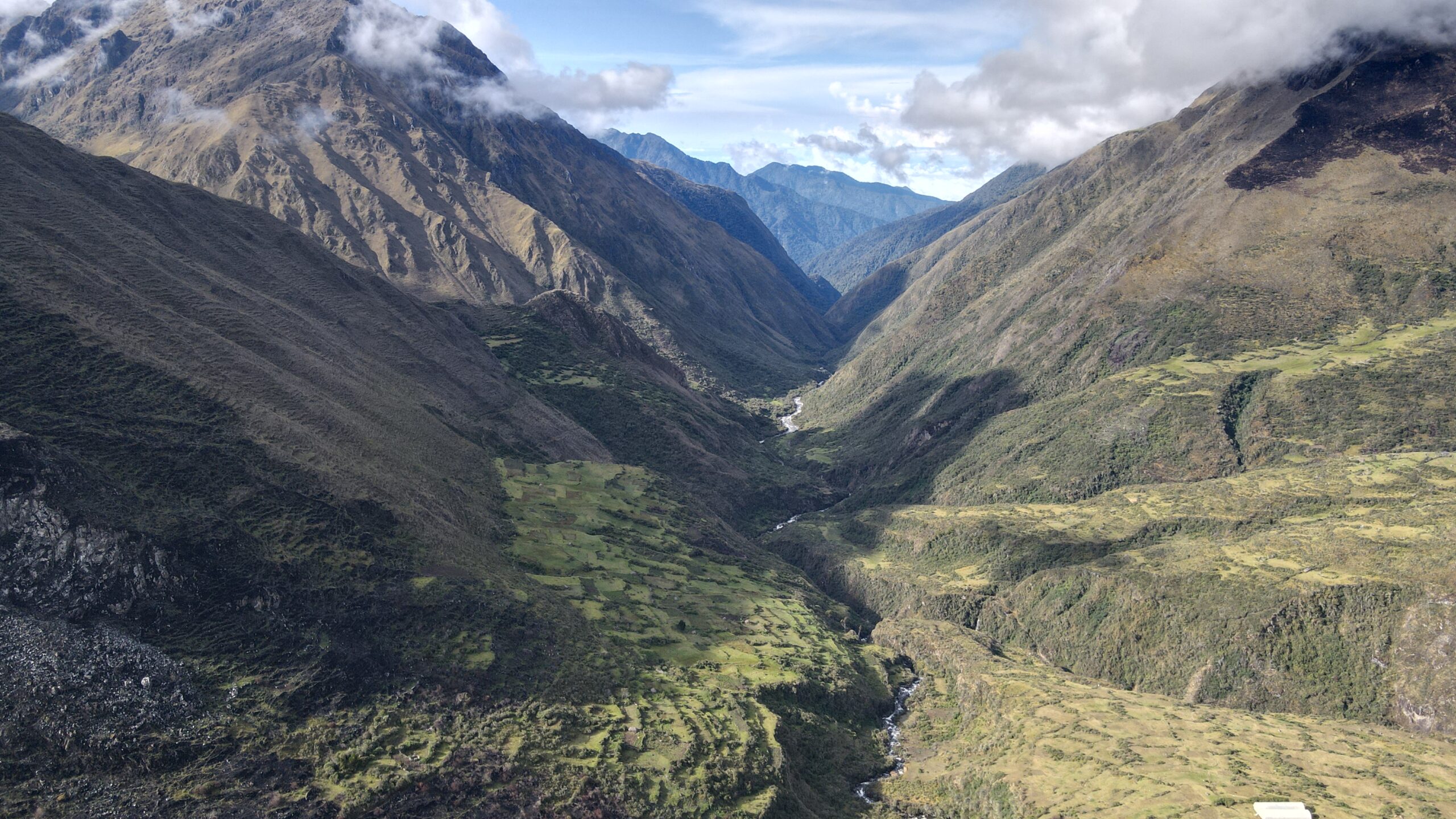
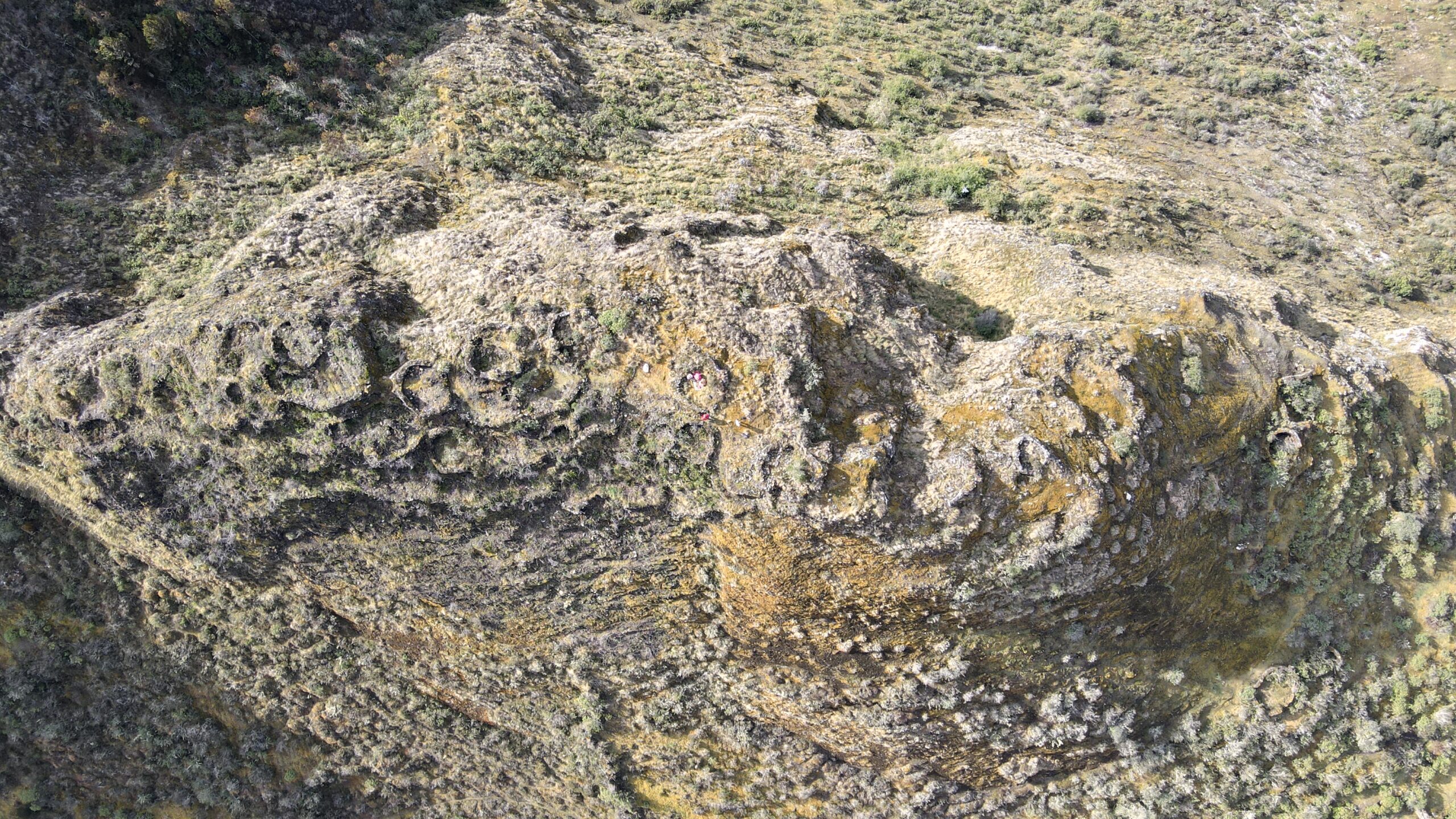
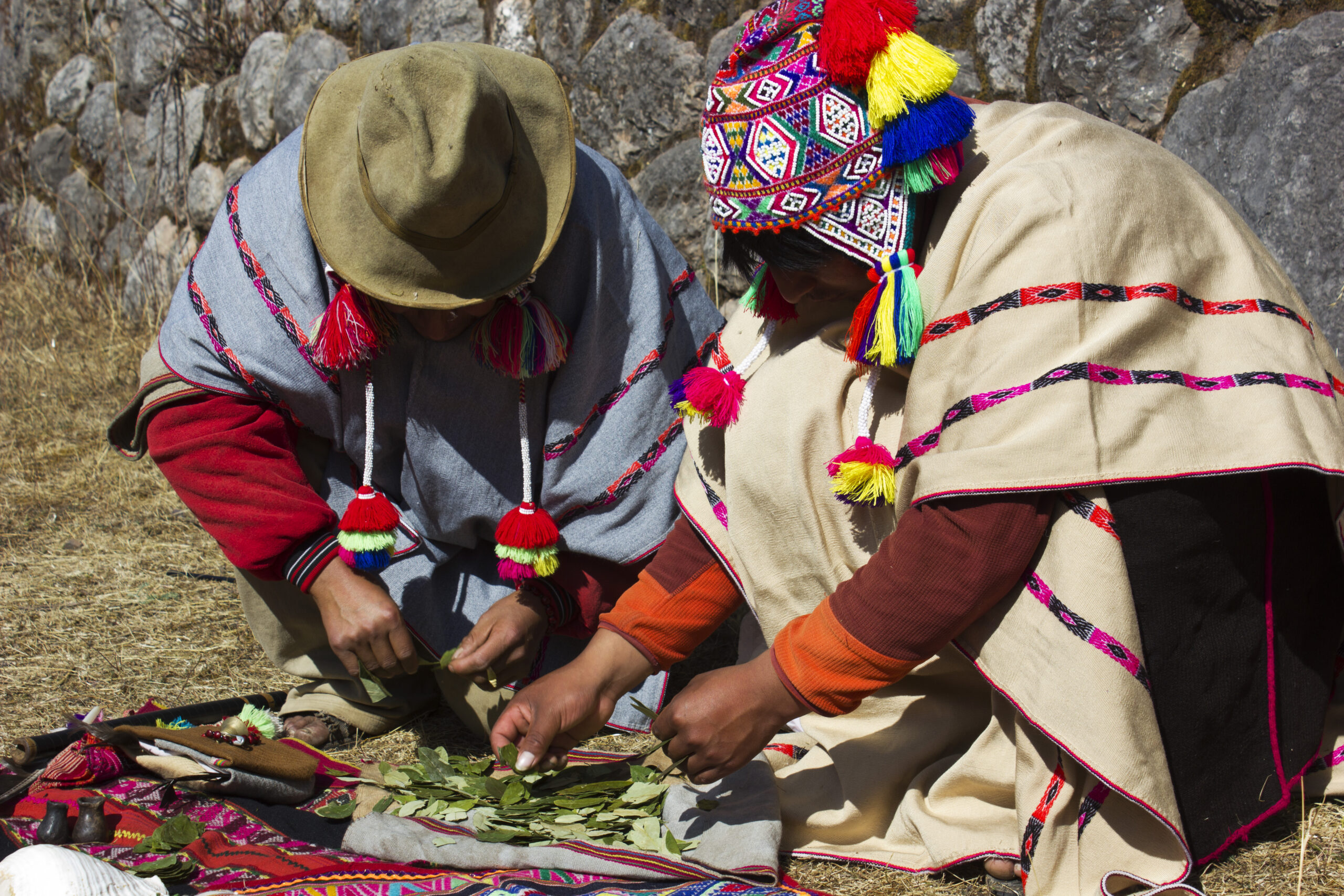
The Q’ero Nation is considered by many historians to be the last Inca ayllu. Since 1955, when the scholars Oscar Núñez del Prado, Efraín Morote and Mario Escobar made the first expedition to the Q’ero Nation, the existence of these last heirs of the Incas has been known both nationally and internationally. They still preserve ancient customs, and their spiritual leaders, known as paqos, hold different ranks bestowed by Pachamama, such as Pampamesayoq and Altomesayoq, along with traditional farming techniques and iconography. Over the years many historians and anthropologists have visited Q’ero, including a former First Lady of Peru, Karp Eliane, who took a great interest in the Q’ero Nation and helped present it to the world as the last Inca ayllu. Today, when an ordinary resident of Cusco recognizes a Q’ero, they greet them with respect and invite them home to eat, treating them as an important member of society.
- Duration 6 days
- Difficulty Challenging
- Departures Scheduled departures
- Age All ages
- Service Group
About this tour
- Places visited
- Cusco - Paucartambo
- Pickup point
- Hotel in Cusco
- Drop-off point
- Hotel - Plaza de Armas
- Departure time
- 04:00 am
- Return time
- 18:00 hrs
Itinerary
-
DAY 1:
Pick-up from your hotel at 6:00 am. We travel by bus for approximately 5 hours to reach the village of Anccasi (4,200 m). Along the way we pass small villages at 4,200 m and enjoy spectacular views of the snow-capped Ausangate (6,450 m). After reaching the village of Challmachimpana we organize our team and begin walking. The first section climbs for about 2 hours 30 minutes to the Chuachua pass (4,500 m), then descends to the village of Chuachua (4,200 m), where we set up camp. Lunch is served along the trail.
INCLUDED:
- Breakfast in Paucartambo
- Lunch in the village of Challma
- Accommodation in a rustic home or tent
DAY 2:
We start walking at 8:00 am toward the village of Machu Q'ero (3,900 m), a hike of approximately 4 hours. This is our lunch spot and campsite, and in the afternoon we visit the archaeological sites of Machu Q'ero.
DAY 3:
After breakfast at 7:00 am we explore the Inca trails that still survive in this area, which lies in the cloud forest. Here we will also see the corn and other crops grown by the Q'ero people.
DAY 4:
We leave camp early to reach another village, Cochamocco, at 4,300 m, a walk of about 5 hours. This is our lunch spot and campsite, and in the afternoon we visit some families and watch them weaving their traditional textiles.
DAY 5:
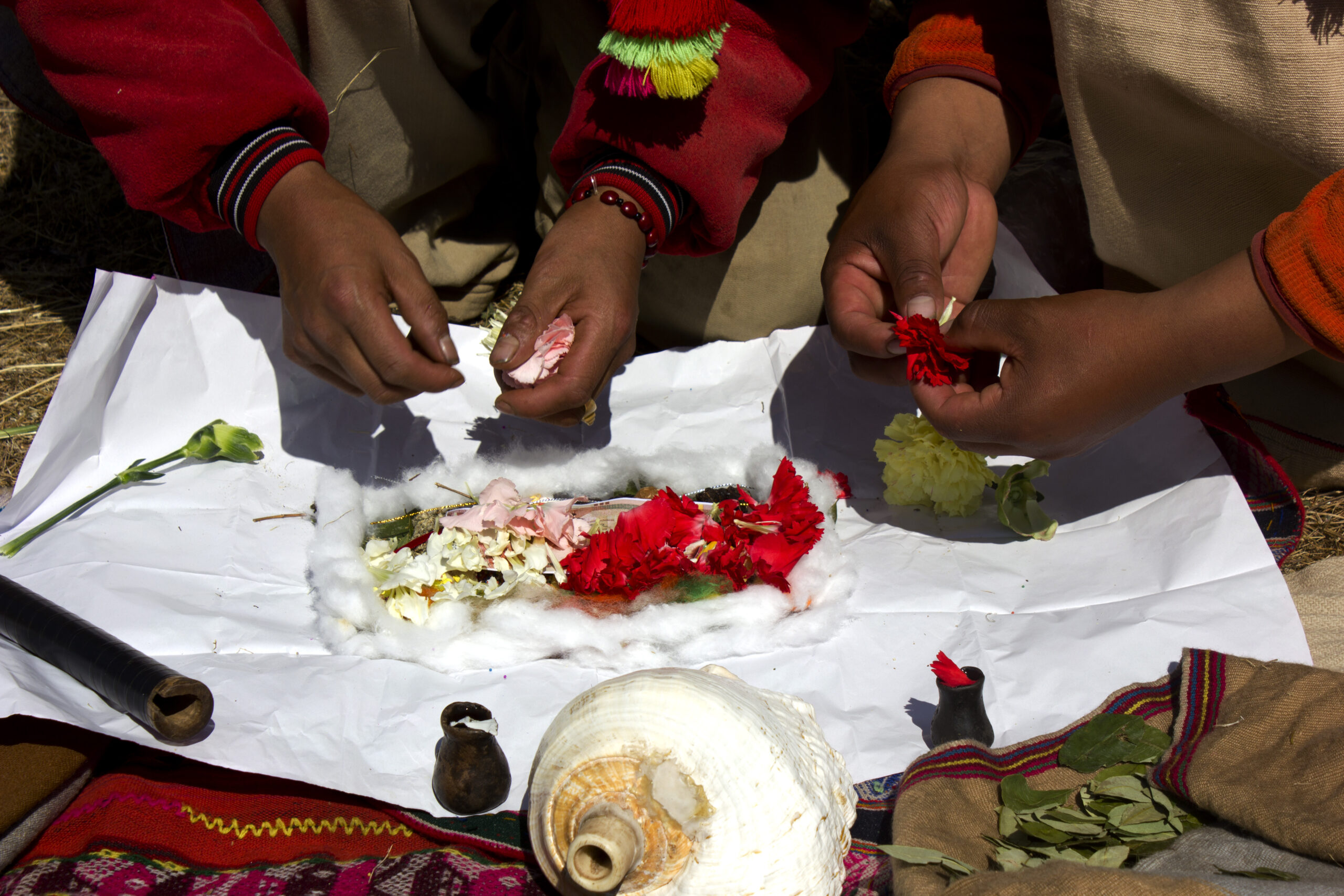
A day of deep spirituality. We take part in the ceremony of offering to Mother Earth (Pachamama), or a personal ceremony, lasting about 3 hours. After the ceremony we enjoy the typical dish of this area, pachamanca.
DAY 6:
We leave early for Challmachimpana, where we started the trek, walking about 5 hours. The first section climbs for 2 hours 30 minutes to the highest point, the Cocha Ccasa pass (4,650 m), and then descends to Anccasi, where we have our last lunch before returning to Cusco.
THE PACKAGE INCLUDES:
- Hotel pick-up and drop-off
- 5 nights (traditional homes and tents)
- Meals (ask about dietary restrictions)
- Hot drinks
- Porters
- Local cooks and local food (a traditional way of life)
NOT INCLUDED:
- Horses (included only for large groups of 5 or more people)
- Snacks
- First breakfast and last lunch
- Coca-leaf reading ceremony
RECOMMENDATIONS:
- Original passport
- Sleeping bag (available for rent)
- Backpack / daypack
- Water bottles
- Raincoat or poncho
- Sunscreen / sunglasses
- Warm jacket
- Hiking shoes or boots
- Wool hat
- Flashlight
- Trekking pants
- T-shirts
- Shorts / sandals
- Camera
- Insect repellent
- Snacks
- Extra money
- Personal medication
- Walking sticks
What's included?
Includes
- Breakfast
- Lunch
- Dinner
- Official tour guide
- Tents
- Sleeping mats
Not included
- Sleeping bag
- Extra expenses
- Additional offerings
Optional services
- On request
- Horses
Prices
Terms and rate details
- Price per person: $1,100 USD
What to bring and tips
- Extra money
- Appropriate clothing
- Sunscreen
- Trekking poles
You may also like
Cusco Luxury 11D/10N
An 11-day luxury journey through Peru: Lima, Paracas and Huacachina, the Sacred Valley, Machu Picchu, Rainbow Mountain and…
- 11 days
- Moderate
Peru Surprises 10D/9N
Ten days across Peru: Lima, Paracas and the Huacachina oasis, Cusco, the Sacred Valley, Machu Picchu and a…
- 10 days
- Moderate
- Max. 6
Magical Cusco 8 Days 7 Nights
Eight days in Cusco: city tour, Sacred Valley VIP, Machu Picchu with Huayna Picchu, Rainbow Mountain and an…
- 8 days
- Moderate
- Max. 6