


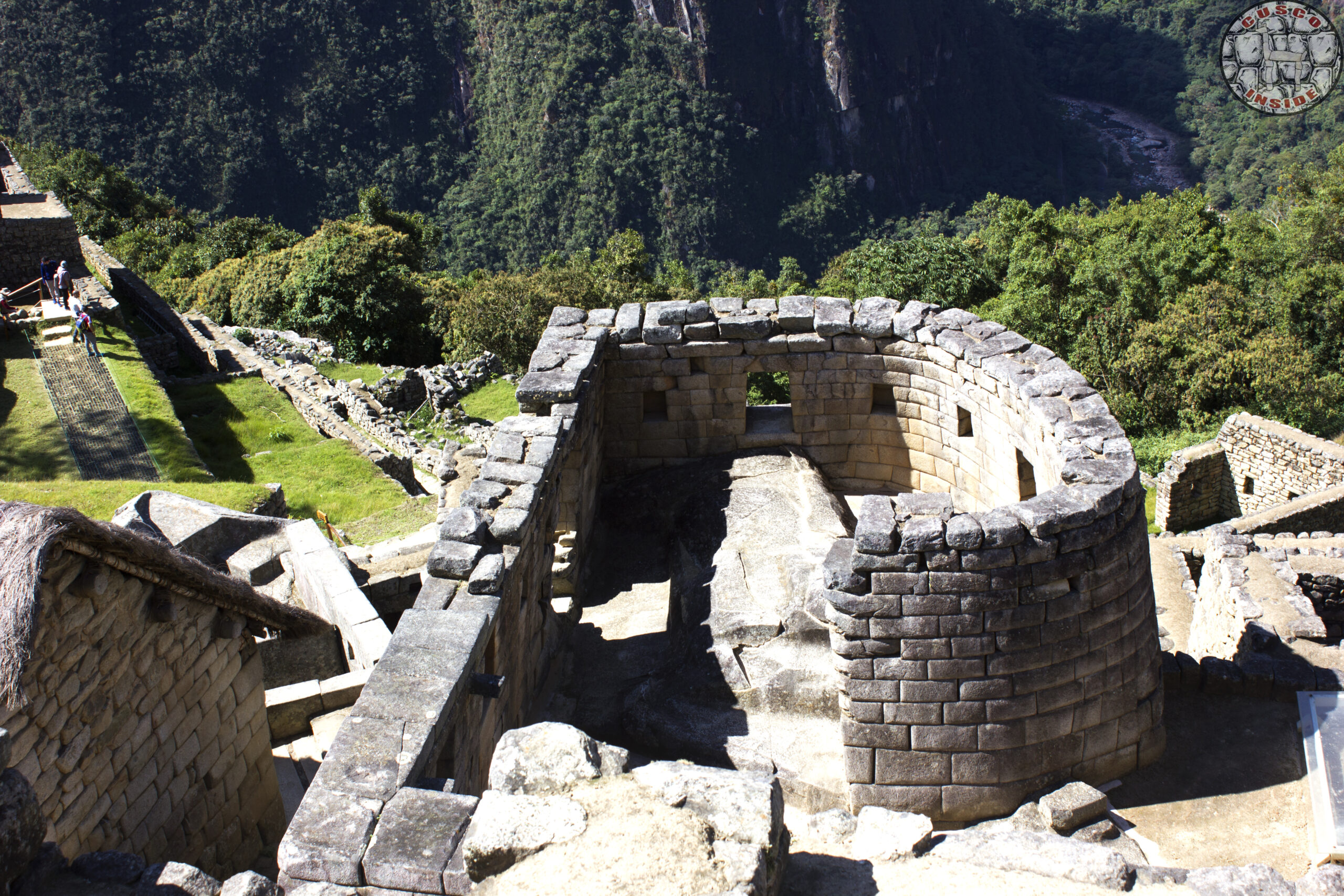
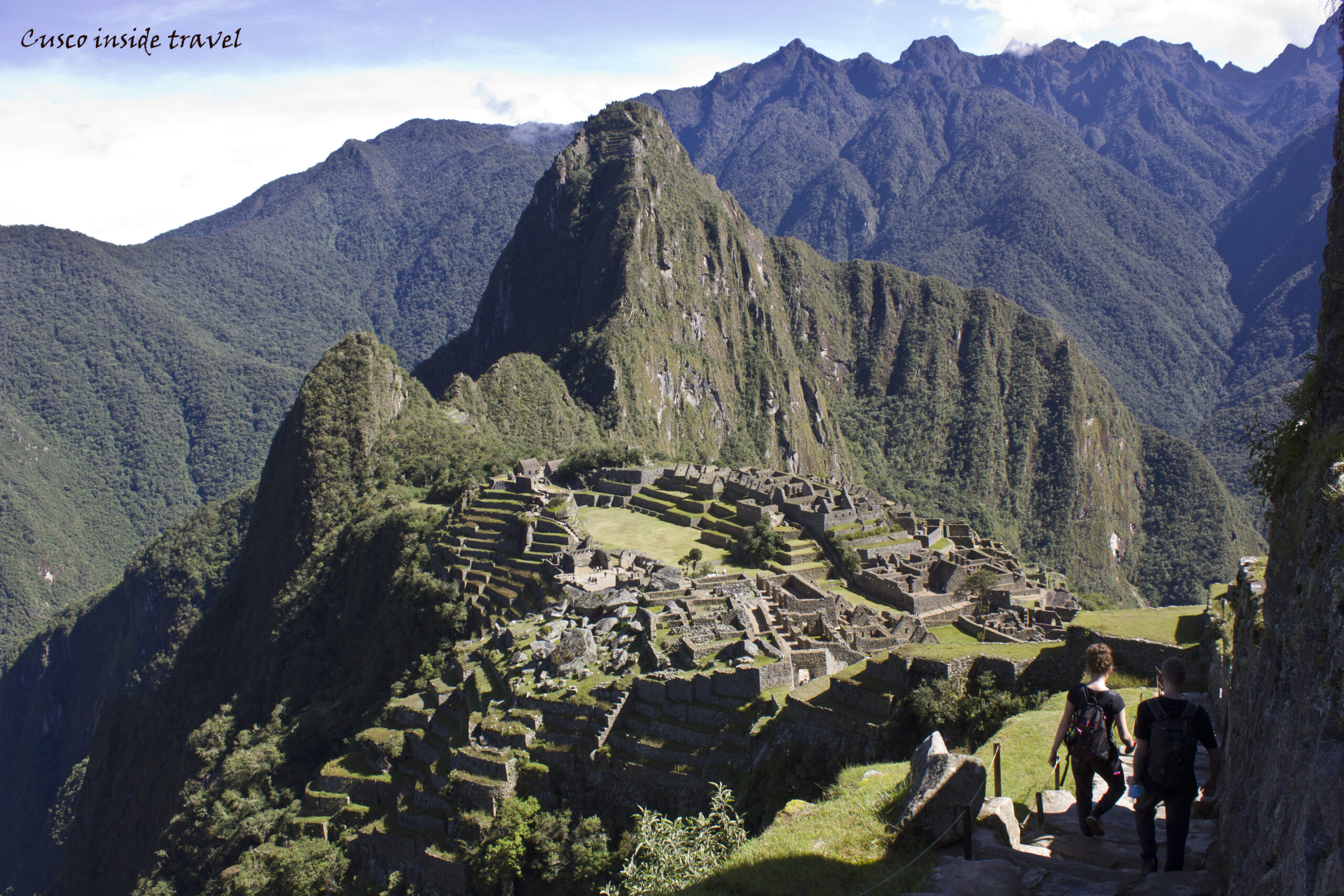
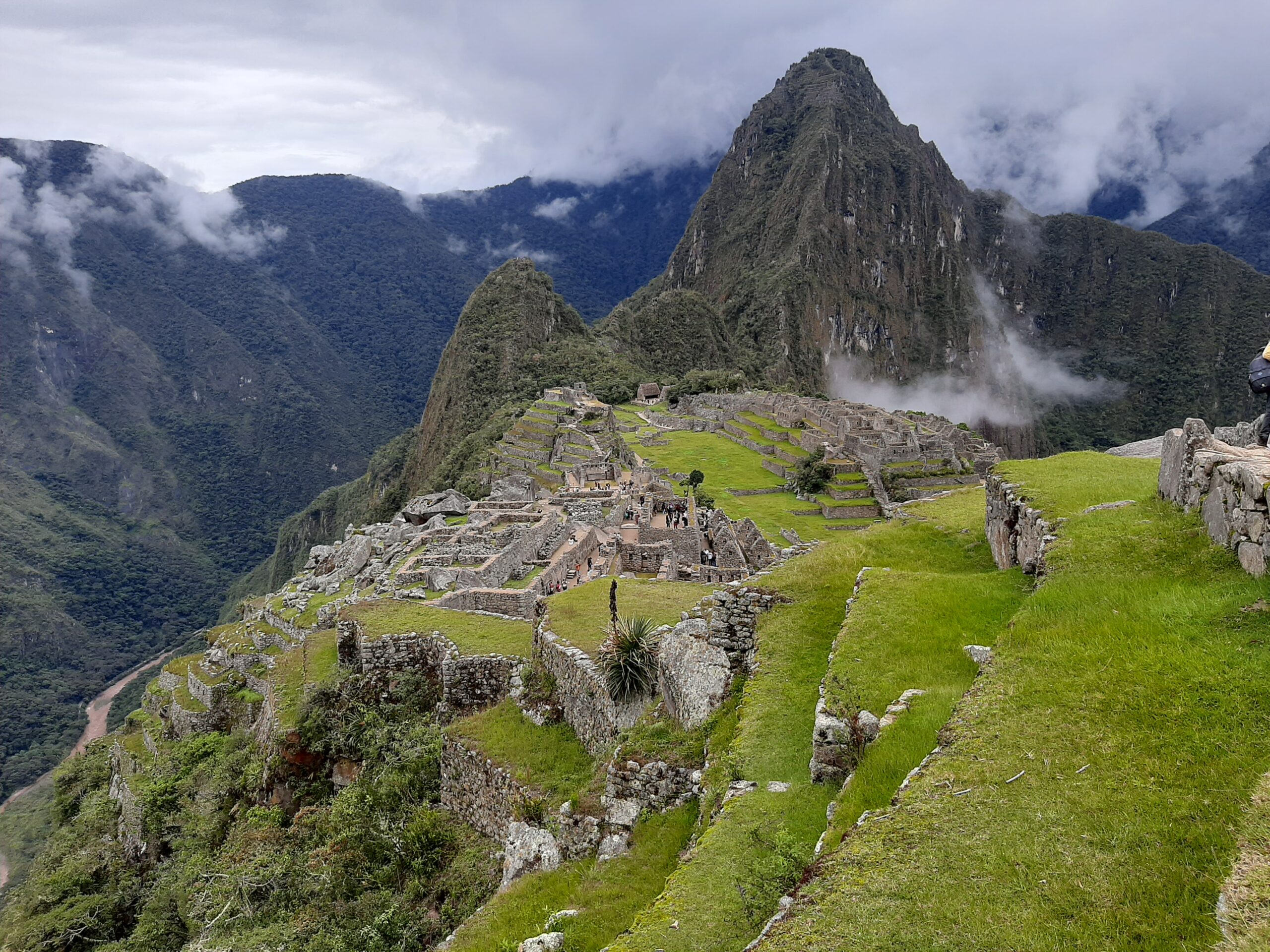
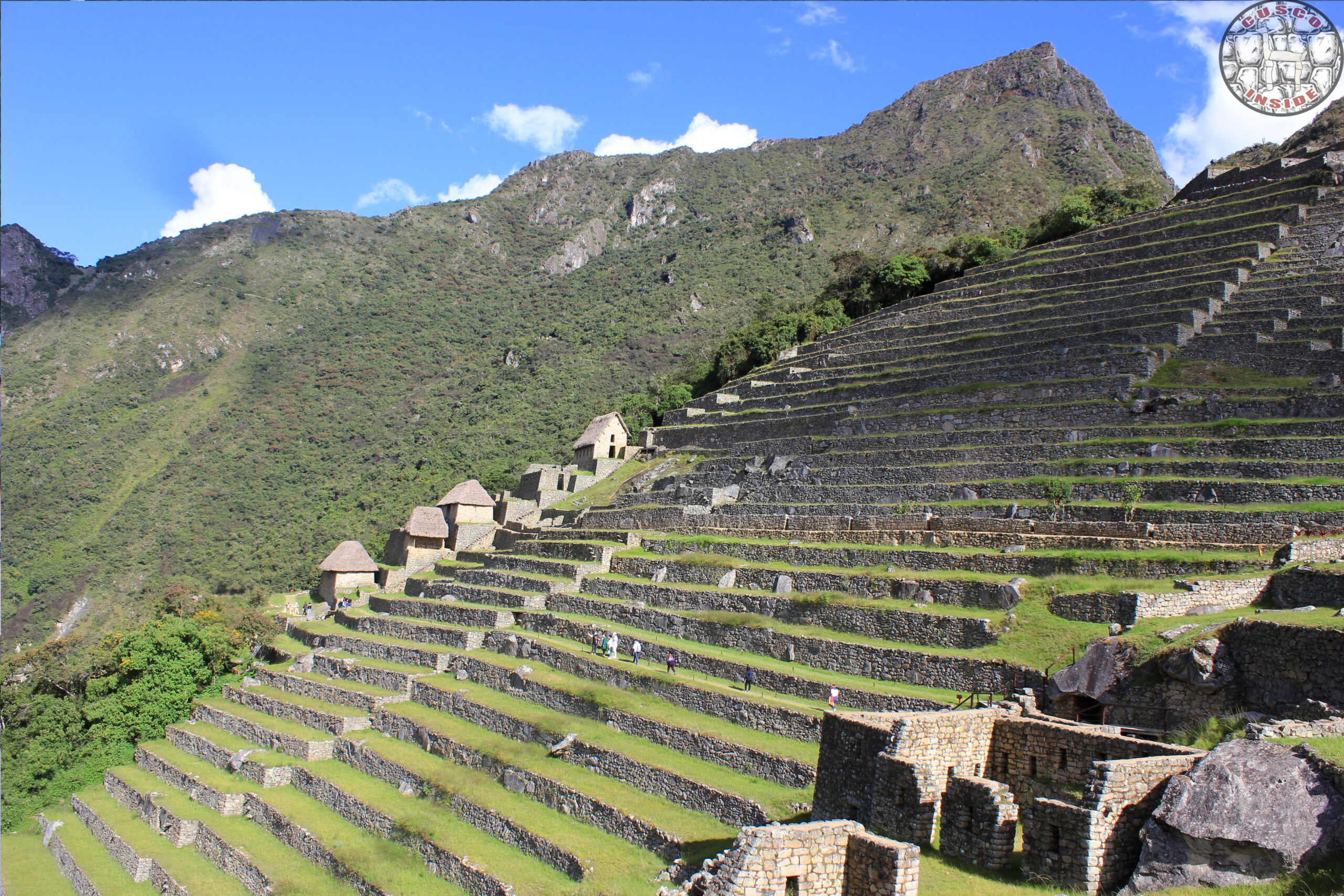
Machu Picchu is located in southern Peru, in the department of Cusco, 112.5 kilometers northwest of the city of Cusco. At an altitude of 2,350 m.a.s.l., it belongs to the district of the same name in the province of Urubamba. The nearest major city is Cusco, today the regional capital and once the capital of the Inca Empire. Around Machu Picchu, on its left bank, lies the Urubamba Canyon, formerly known as the Picchu Gorge, and at the foot of the mountains, almost surrounding them, flows the Vilcanota–Urubamba River. The ruins themselves lie within a protected area of Peru’s National System of Natural Protected Areas (SINANPE) known as the Historic Sanctuary of Machu Picchu, which covers 32,592 hectares (80,535 acres or 325.92 km²) of the Vilcanota–Urubamba River basin (the Willkamayu or “sacred river” of the Incas). The sanctuary protects a number of endangered species, such as orchids, as well as several Inca sites, of which Machu Picchu is considered the most important. Machu Picchu (“old mountain”) is the modern name given to an Inca llaqta, an ancient Andean settlement, built before the 15th century on the rocky ridge that joins the Machu Picchu and Huayna Picchu mountains, on the eastern slope of the Central Andes in southern Peru, at 2,490 m.a.s.l., the altitude of its main plaza. Its original name may have been Llaqtapata. According to mid-16th-century documents, Machu Picchu would have been one of the retreats of Pachacútec, ninth Inca of Tawantinsuyu, between 1438 and 1470. However, some of its finest buildings and the clearly ceremonial nature of the main access road to the llaqta suggest that it predates Pachacútec and was probably used as a religious sanctuary. Both uses, as a palace and as a sanctuary, would not have been incompatible. Its supposed military role is still debated, so the popular labels of “fortress” or “citadel” may well be outdated. Machu Picchu is considered a masterpiece of both architecture and engineering. Its unique architectural and landscape features, and the veil of mystery woven around it by much of the literature published about the site, have made it one of the most popular tourist destinations on the planet. Machu Picchu has been on UNESCO’s World Heritage List since 1983, as part of a cultural and ecological ensemble known as the Historic Sanctuary of Machu Picchu. On July 7, 2007, Machu Picchu was named one of the New Seven Wonders of the World at a ceremony held in Lisbon, Portugal, after a vote in which one hundred million people around the world took part.
About this tour
Itinerary
-
ITINERARY:
Depending on your train time, our staff will pick you up at your hotel 2 hours in advance and take you by private transport to the train station in the town of Ollantaytambo (about 1 hour 30 minutes). Along the way you will enjoy beautiful landscapes, flora and fauna. At the station you will board your train to the town of Aguas Calientes – Machu Picchu. On arrival, our staff will be waiting for you at the train station to take you to your designated hotel. Later in the day, at the scheduled time, your guide or transfer agent will come to the hotel to give you the final instructions for the following day's tour of the Machu Picchu citadel.
What's included?
Includes
- Breakfast
- Official tour guide
- Hotel in Machu Picchu
- Round-trip tourist train
- Consettur bus up and down
- Round-trip tourist transport
Not included
- Lunch
- Dinner
- Entrance to the mountains (Huayna Picchu / Machu Picchu Mountain)
Optional services
- On request
Prices
Terms and rate details
GROUP SERVICE:
- $350.00 USD per person
PRIVATE SERVICE:
- $450.00 USD per person
You may also like
Peru Expedition Tour Package 18 Days
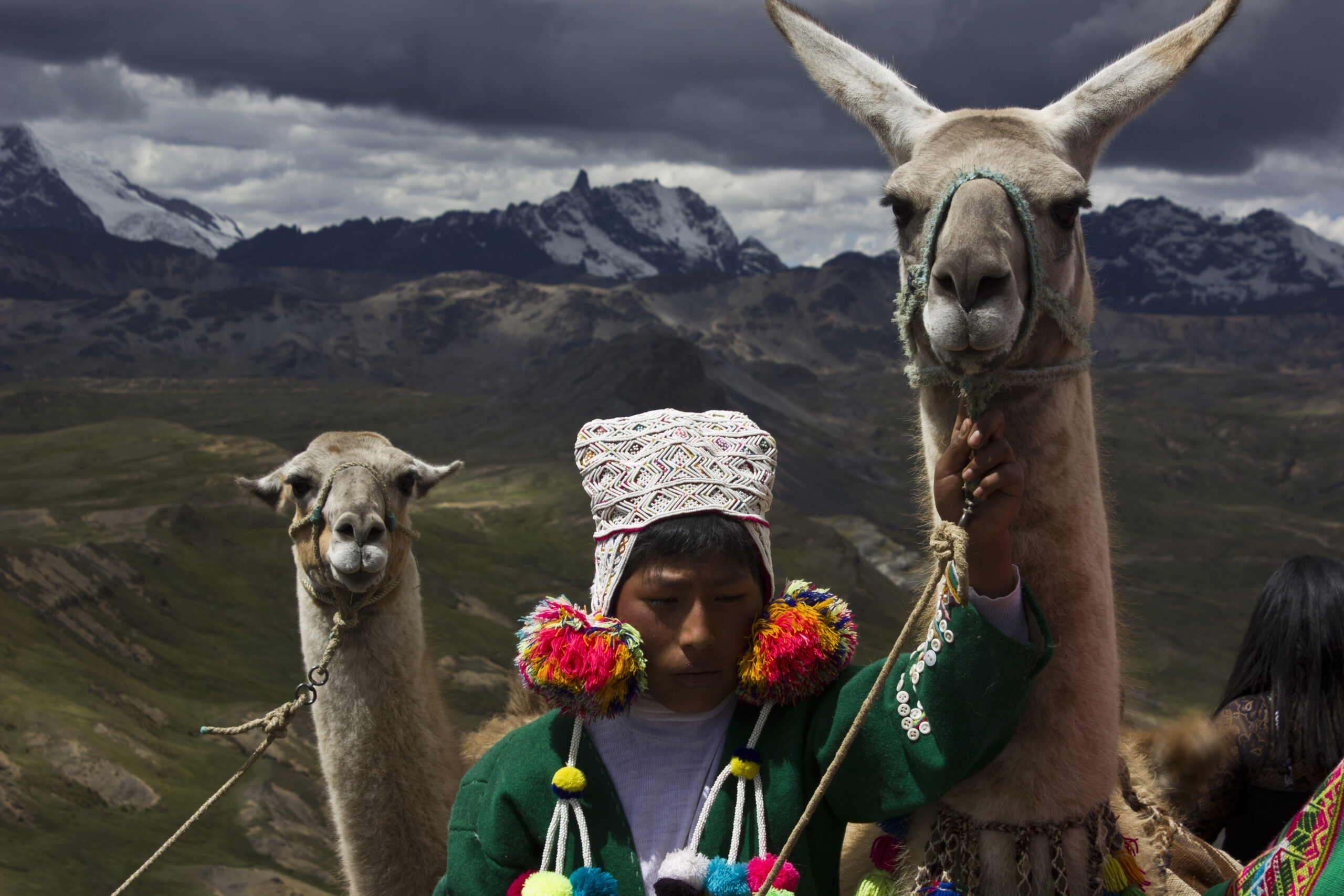
An 18-day expedition across Peru: Lima, Paracas, Huacachina, the Nazca Lines, Arequipa and Colca Canyon, Lake Titicaca, Cusco,…
- 18 days
- Challenging
Traditional Cusco 5D/4N
- 5 days
- Moderate
- Max. 6
Cusco Luxury 11D/10N
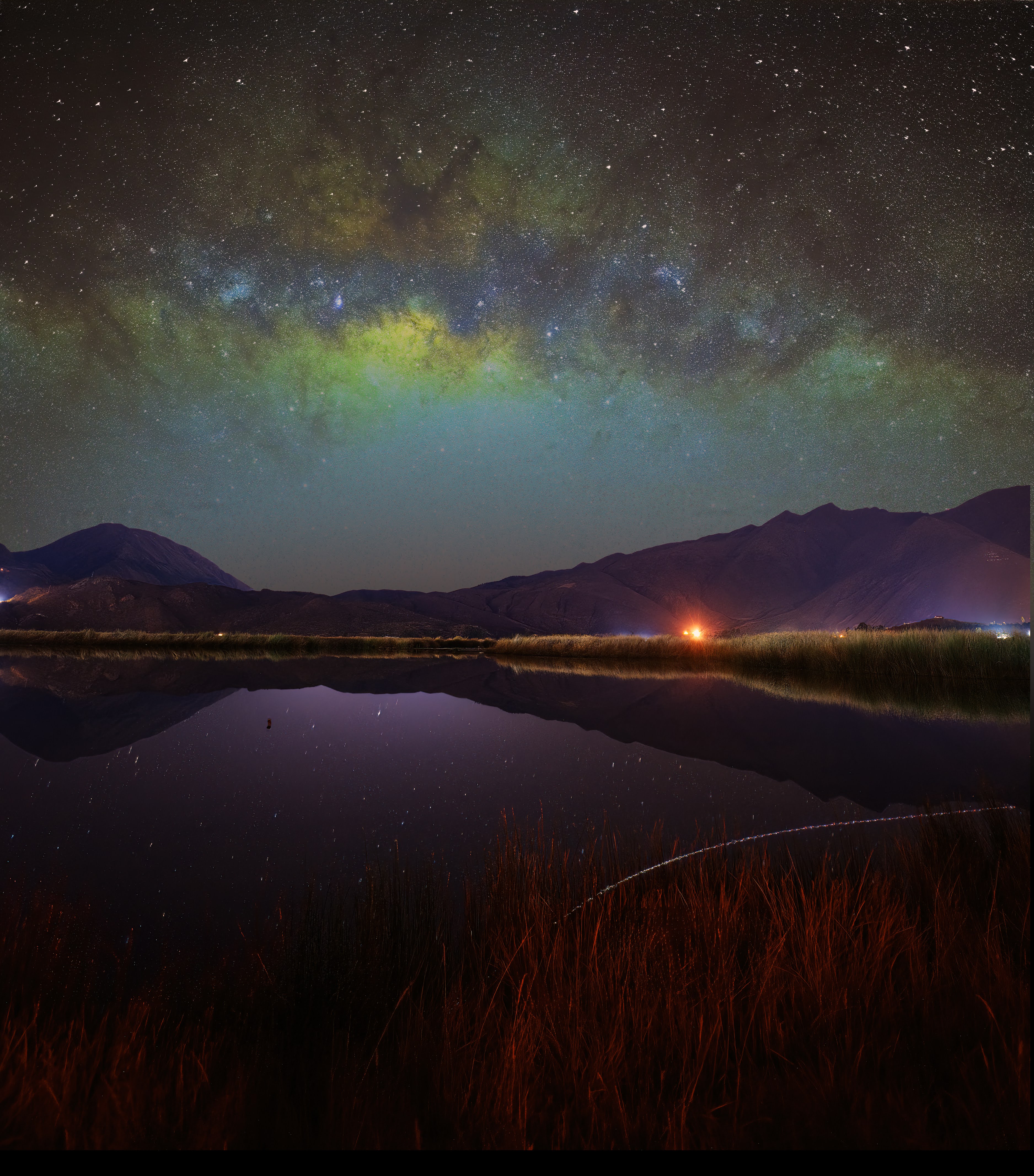
An 11-day luxury journey through Peru: Lima, Paracas and Huacachina, the Sacred Valley, Machu Picchu, Rainbow Mountain and…
- 11 days
- Moderate