Chinchero:
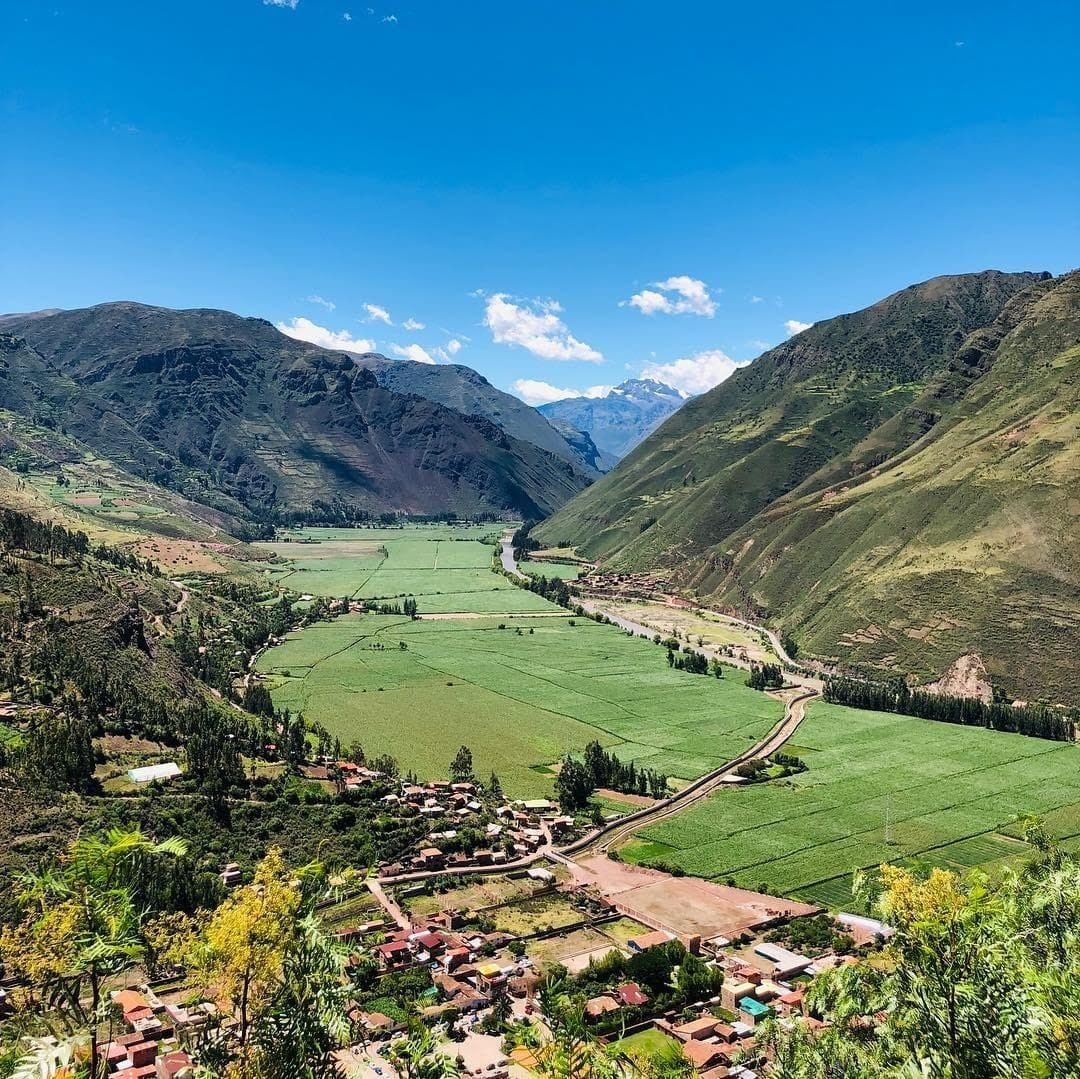
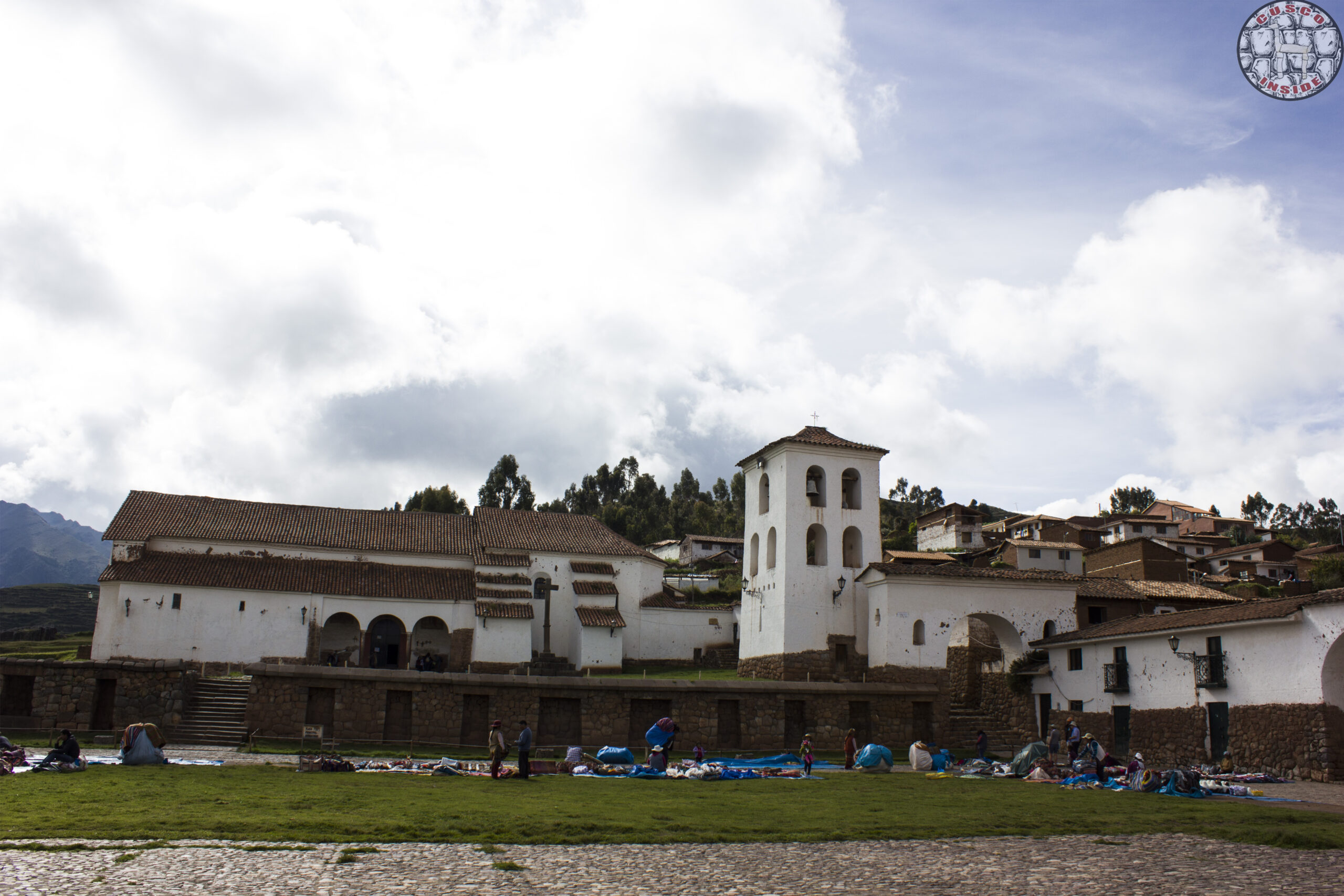
Chinchero, also known as the “city of the rainbow”, is located 28 km northwest of the imperial city of Cusco, at 3,160 m.a.s.l., flanked by the snow-capped peaks of Salkantay, Verónica and Soray. The view from the village is breathtaking. Chinchero belongs to the province of Urubamba, in the department of Cusco. The most traditional village in the Sacred Valley of the Incas, it is a genuinely Inca town that the conquistadors tried to “civilize” in order to impose their religion, but never fully succeeded. The villagers still live in almost intact Inca buildings.
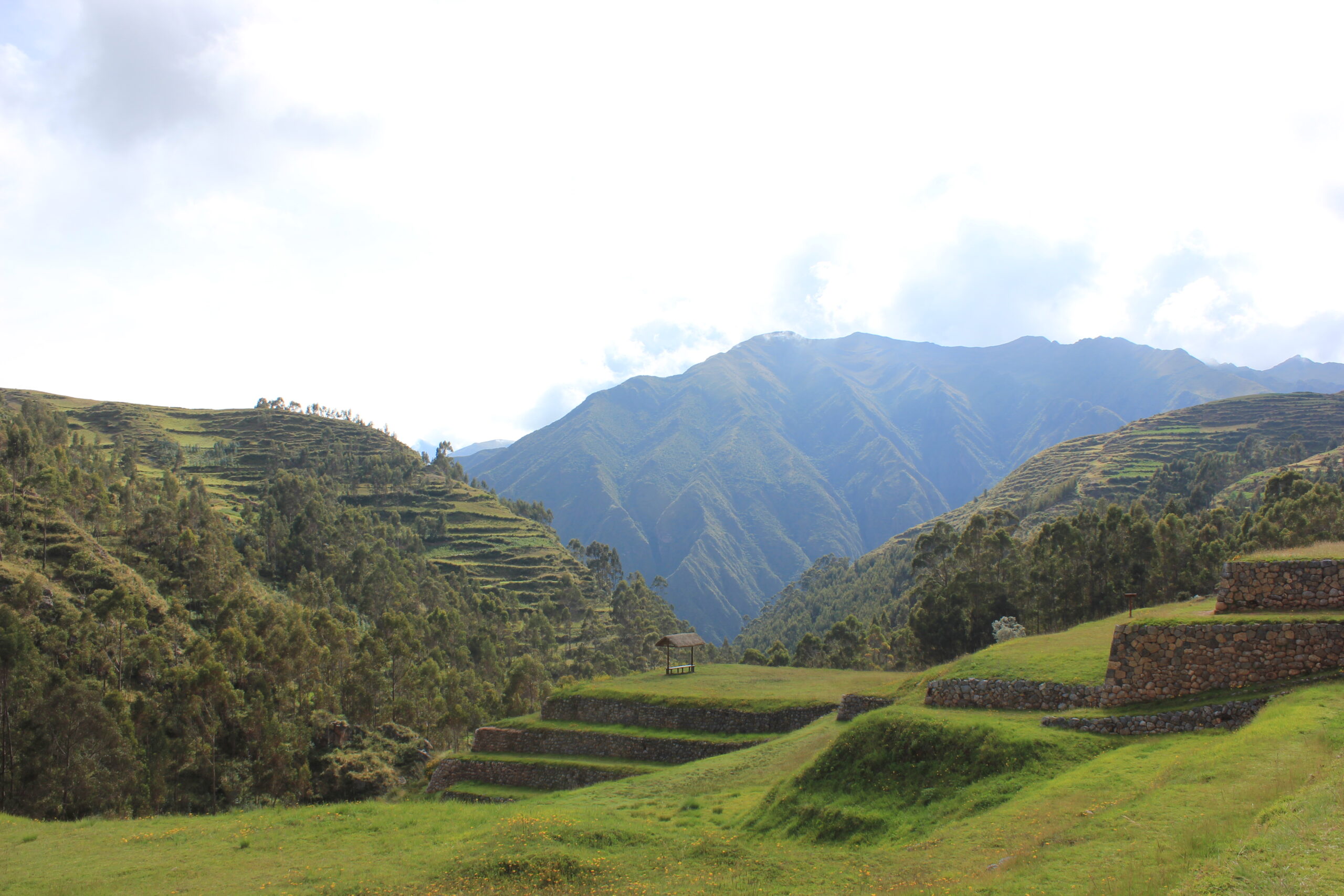
At the Chinchero archaeological complex, the first thing that catches the eye is its terracing, which shows that it was an agricultural production center in Inca times. History tells us that with the arrival of the Spaniards, Chinchero was burned in 1536 by Manco Inca as he fled to Vilcabamba, so as to leave nothing behind for the Spanish.
On top of the palace of the Inca Túpac Yupanqui, the Spaniards built the church of Our Lady of Montserrat in 1607, as a symbolic representation of the subjugation of the Incas. Its main altar, carved in Baroque style and covered in gold leaf, is dedicated to the Virgin of the Nativity. Its walls are decorated with works by Diego Quispe Tito, the foremost representative of the Cusco School of painting, as well as works by Francisco Chihuantito.
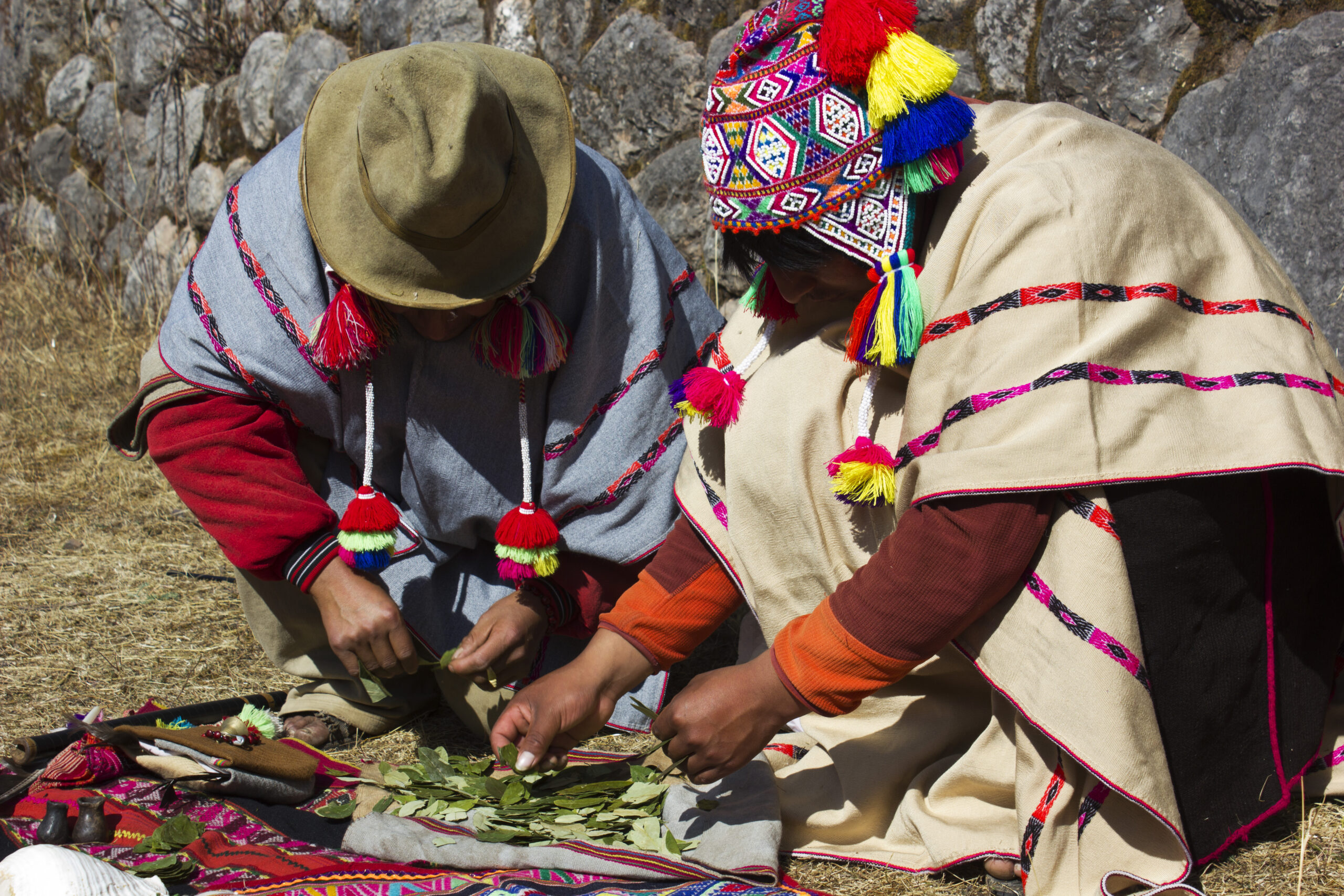
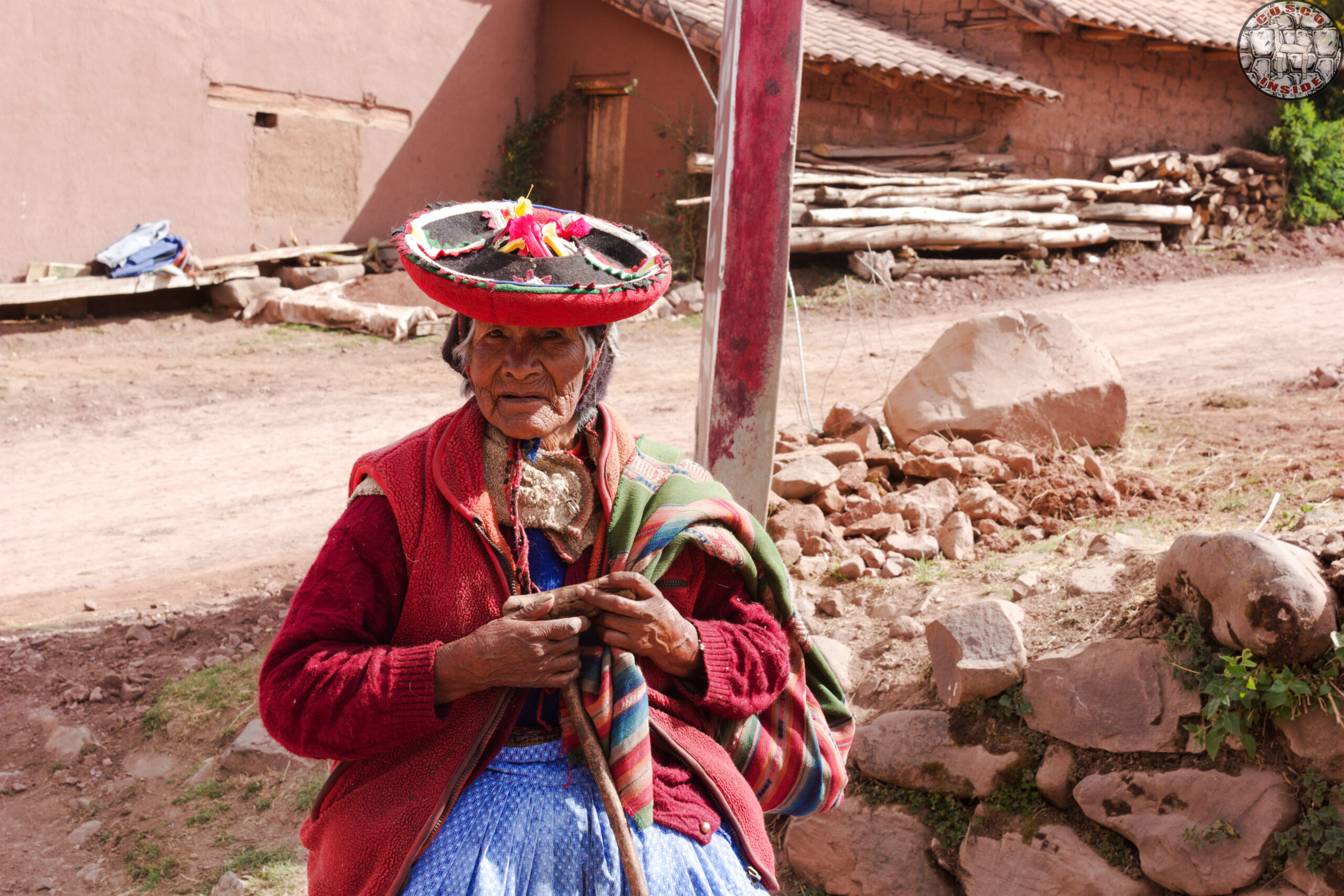
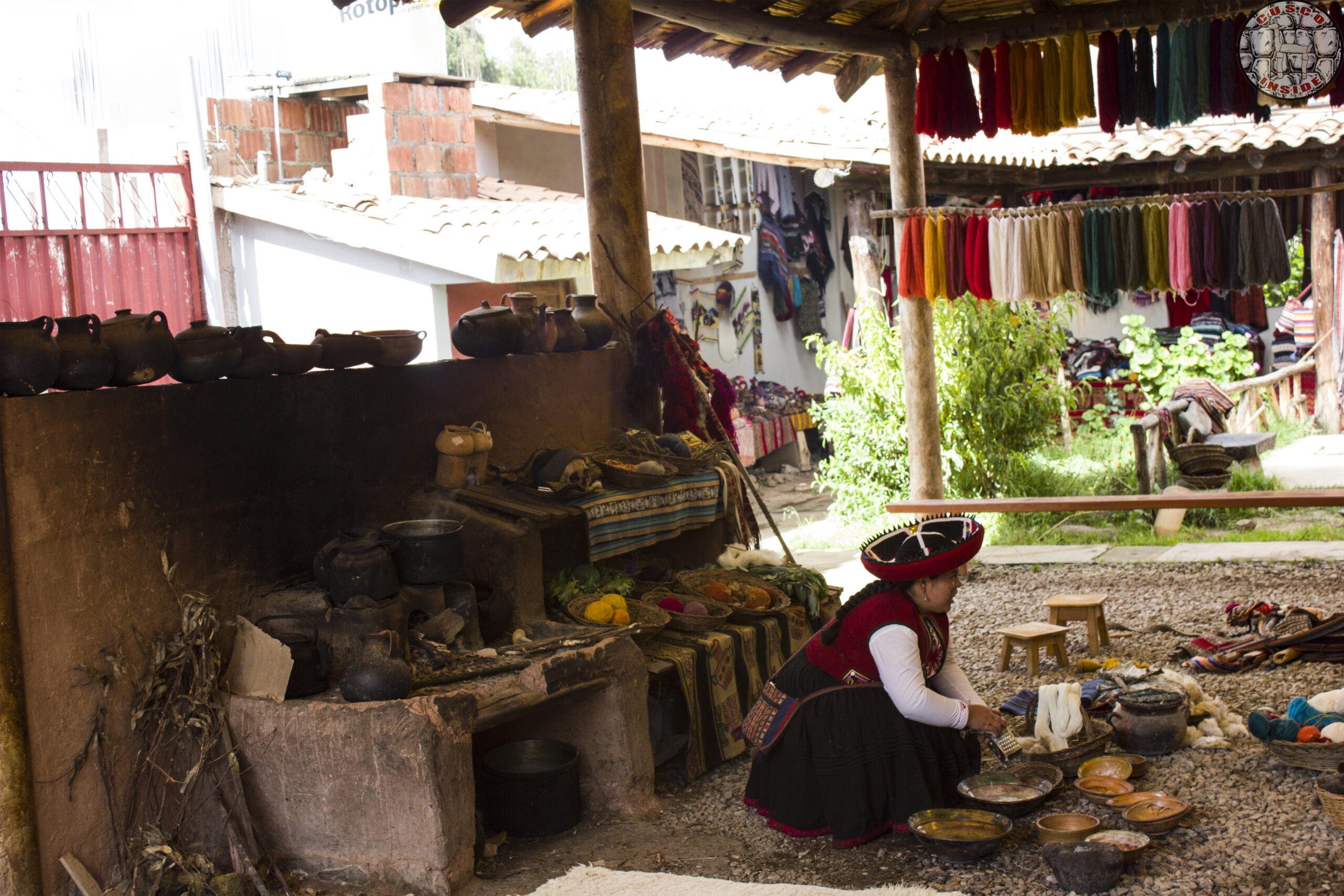
At the Sunday market in Chinchero you can admire the famous Chinchero textiles. In this village, closely knit communities have preserved a living, intangible heritage of extraordinary value, expressed in weaving as well as in farming practices and a network of family and community ties. In the workshops of the artisan associations, the whole textile-making process is demonstrated daily, from washing the wool to the finished product, and visitors learn about the spinning, dyeing and weaving techniques.
From Chinchero you can reach the beautiful Huaypo Lake and the village of Piuray. Chinchero is also renowned as a village of talented textile artisans.
Maras:
Maras is a village located 48 km northwest of the city of Cusco, 12 km from Urubamba, at 3,028 m.a.s.l. Temperatures range from 1 to 21 degrees Celsius. Maras was an important town during the Viceroyalty (it was the main salt supplier for the southern highlands), as shown by its church and the mansions that still bear the coats of arms of the indigenous nobility on their façades. The houses are made of adobe, with white walls and blue roofs and windows, and the streets are of stone and earth. On the lintels you can read, carved in stone, the date the houses were built, the owner’s name, or a coat of arms or ornament.
Maras was founded by the Spaniards in 1556 under the encomendero Pedro Ortiz de Orue, whose house stands one block from the main square; the lintel of his door bears his details, and it was he who started this custom, which continues to this day. We also recommend seeing the house that belonged to the Inca Túpac Sinchi Roca and the church of San Francisco de Asís, commissioned by Orue, which has four 17th-century Baroque altarpieces with beautiful carvings covered in gold leaf.
Its walls feature paintings by the Cusco School artist Antonio Sinchi Roca, with scenes from the Gospel and portraits of saints. Today, the main economic activity of Maras is agriculture. Among its most visited attractions are the salt mines, located 10 km from the village, and very close by are the terraces of Moray.
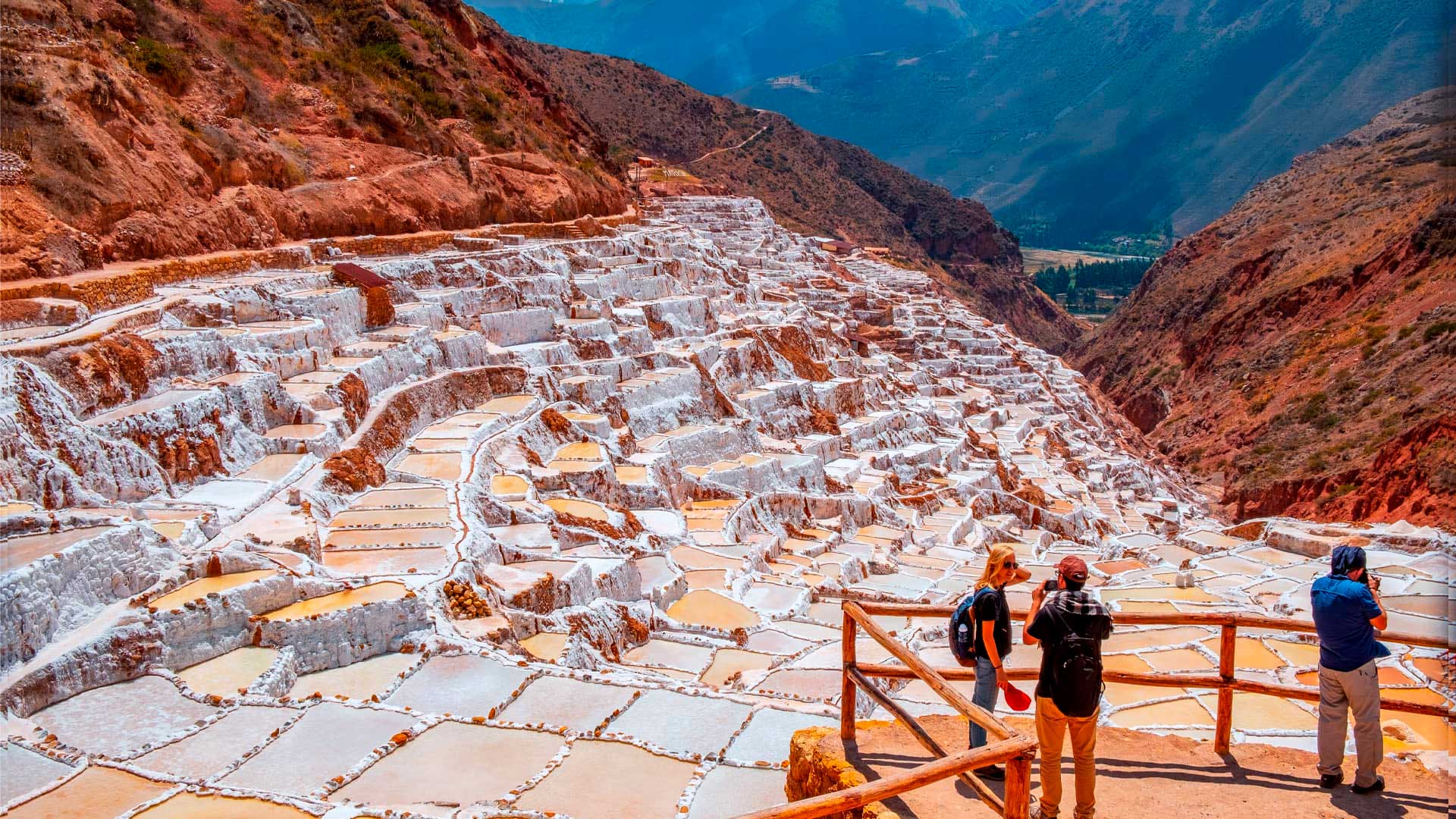
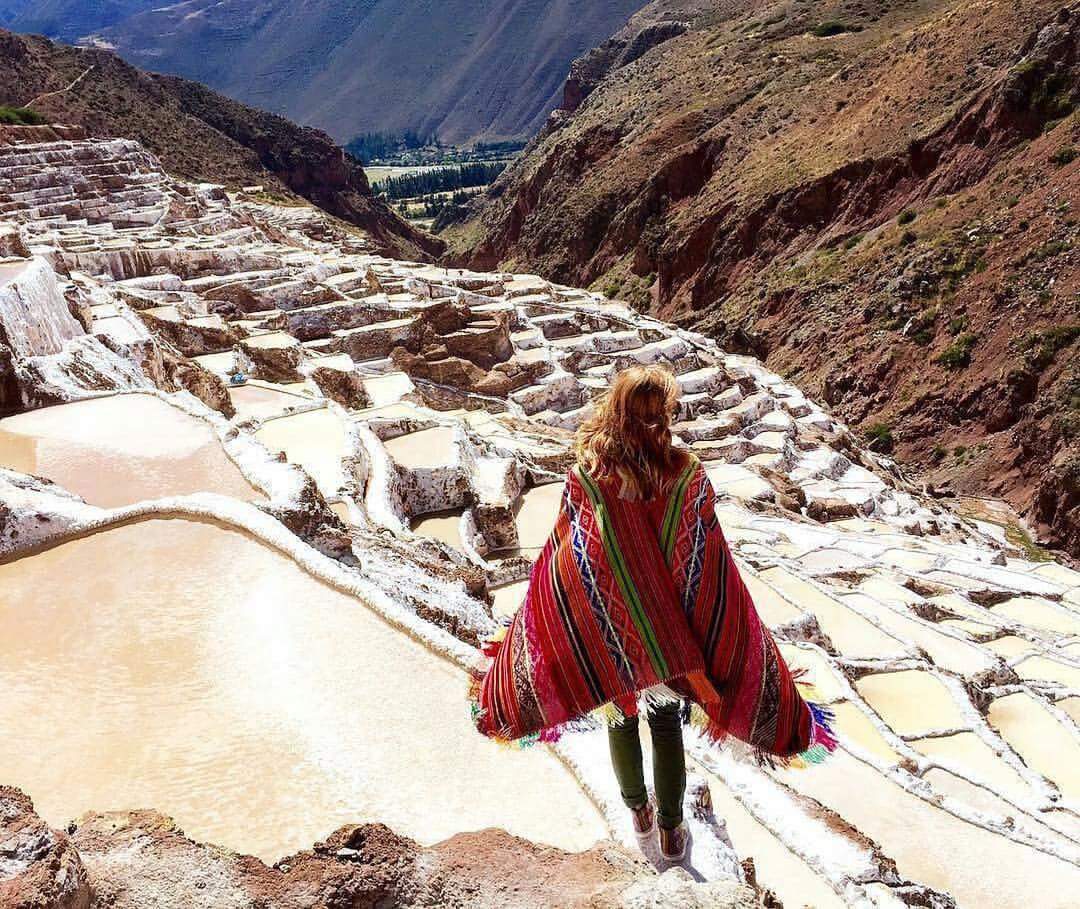
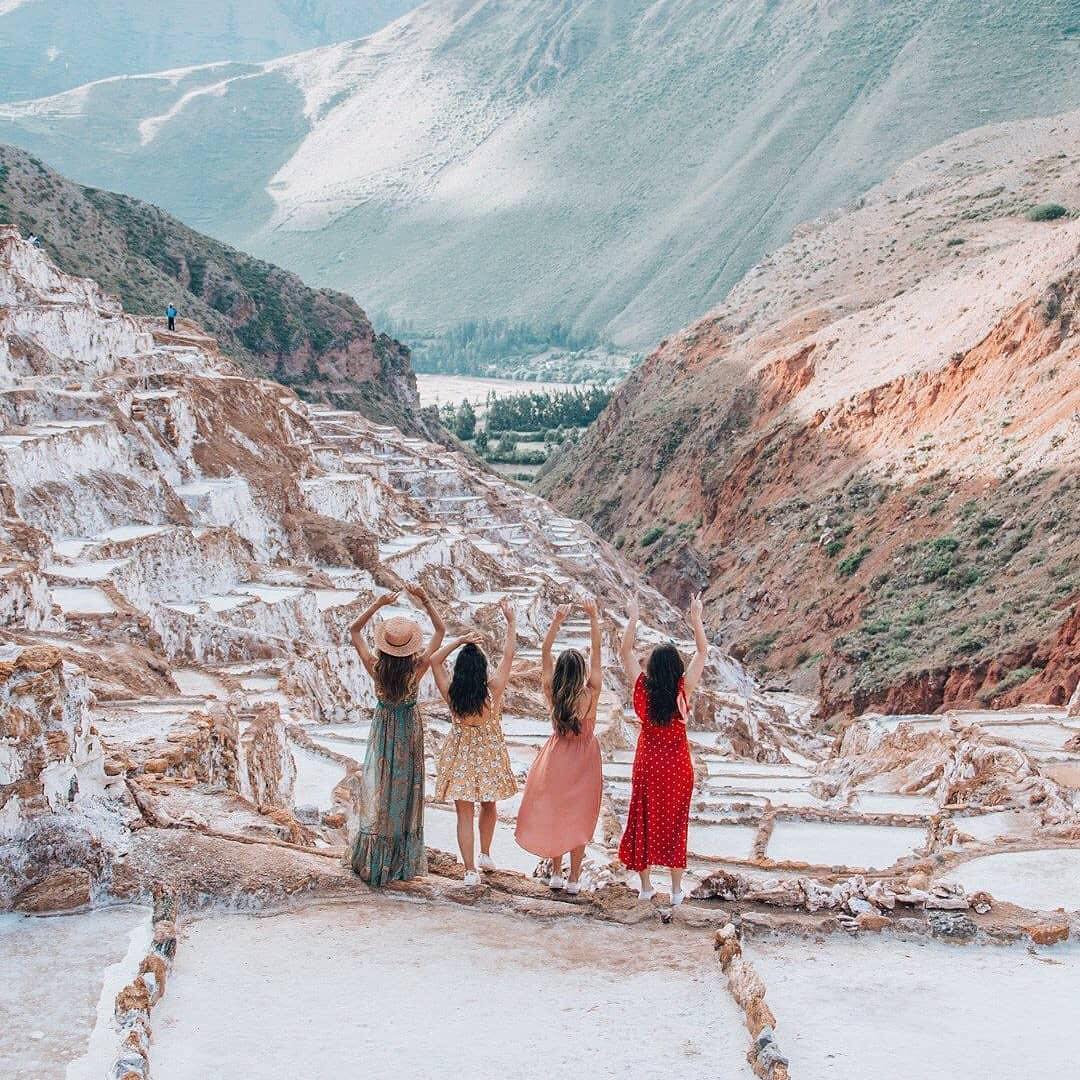
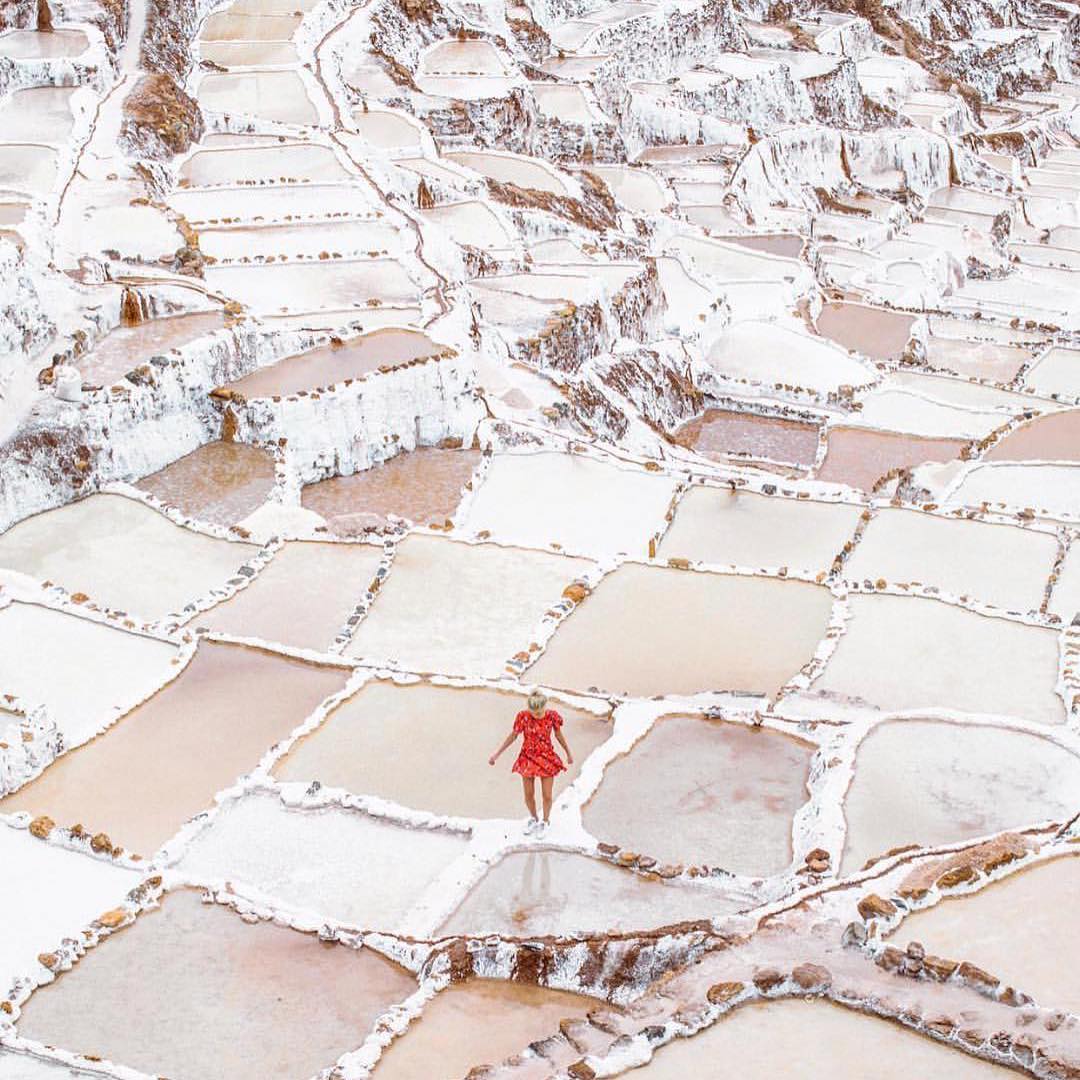
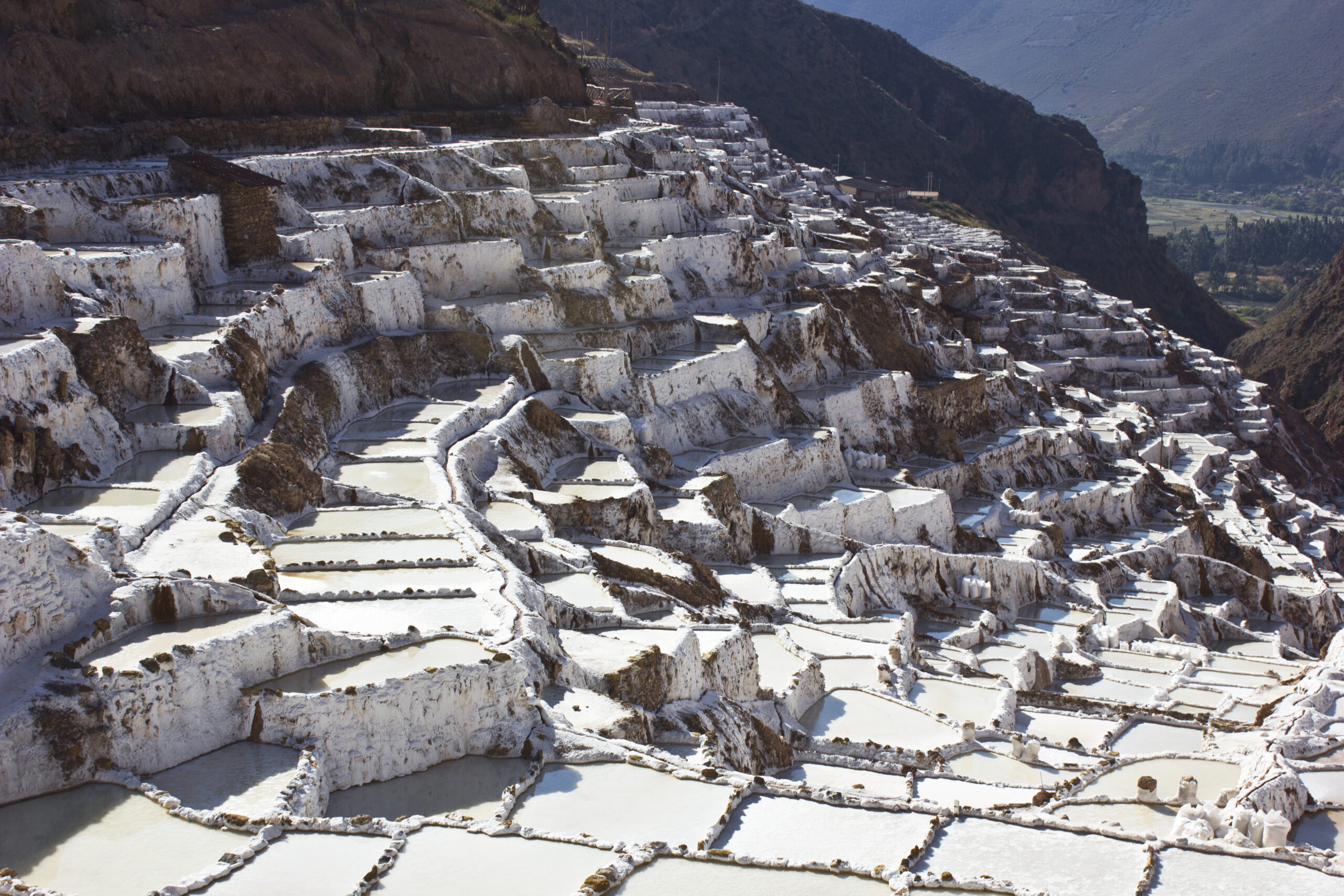
The Maras salt mines, as they are also called, have been worked since the days of the Tawantinsuyu. The thousands of shallow pools of salt water are carved into the slopes of Qaqawiñay mountain and are fed by a hypersaline underground spring that originated 110 million years ago during the formation of the Andes mountain range (the Andean orogeny).
The use of Maras salt goes back thousands of years and is passed down within each family, but managed communally. The Quechua name of the salt mines is Kachi Raqay, and they consist of some five thousand pools of about 5 square meters each. The water seeps into the pools and evaporates under the intense sun, causing coarse salt crystals to form; after a month the salt reaches 10 cm in height and must be harvested. The view over the whole set of pools is spectacular. The locals show visitors their ancestral techniques and let them take part in the harvest, as well as in Andean festivals and rituals.
The site is highly recommended for photography lovers, and the area is ideal for trekking and mountain biking.
It originated 110 million years ago during the formation of the Andes mountain range (the Andean orogeny).
Moray:
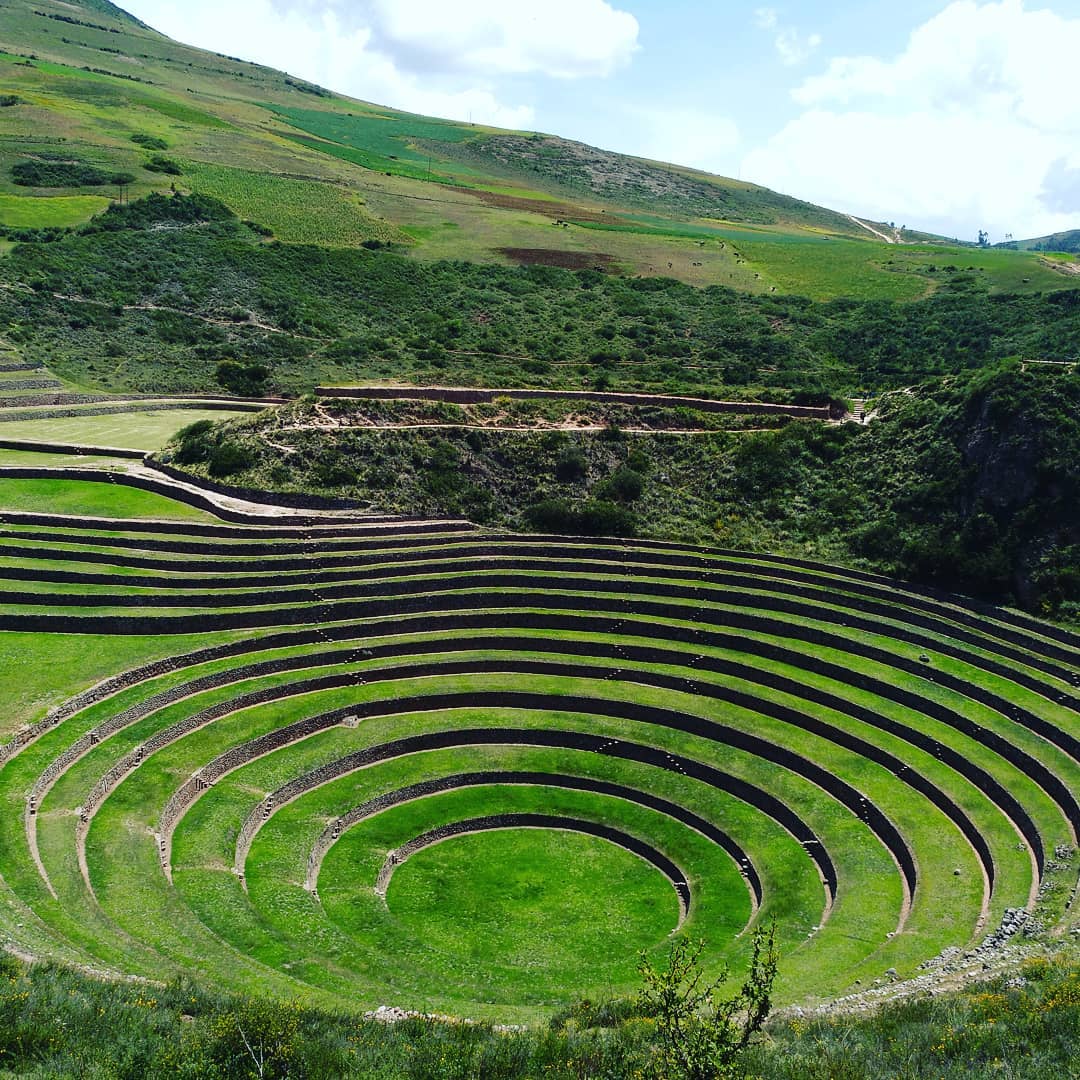
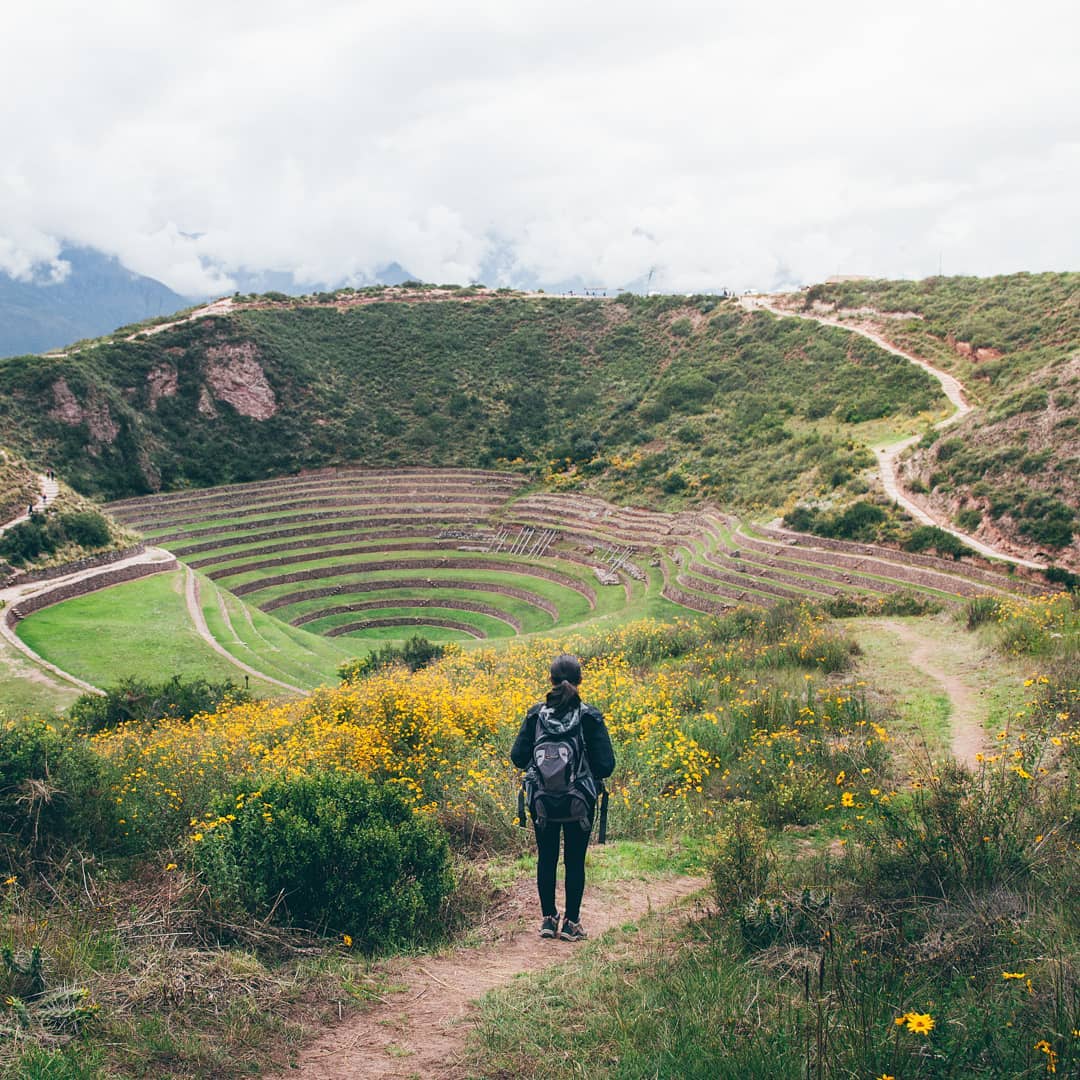
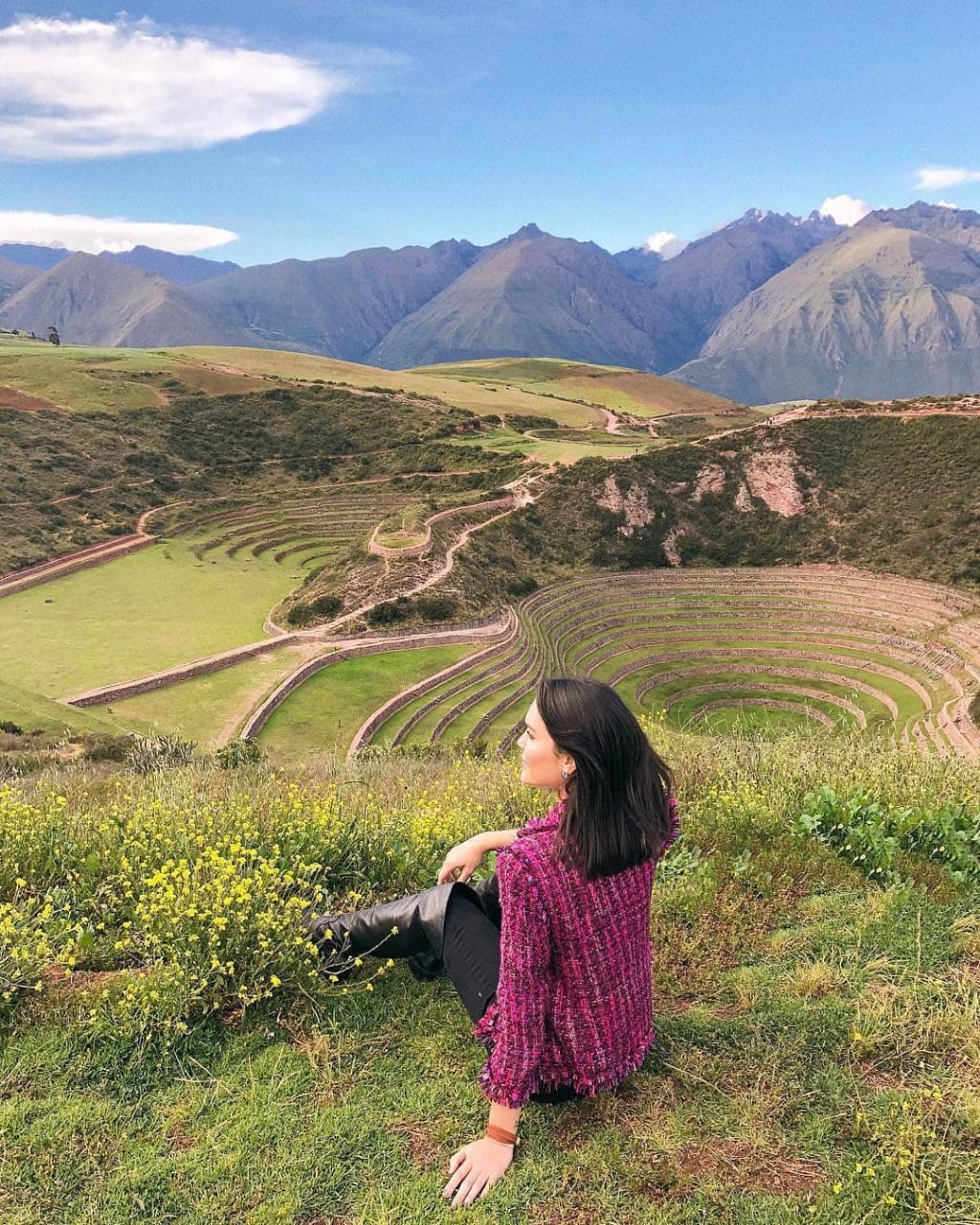
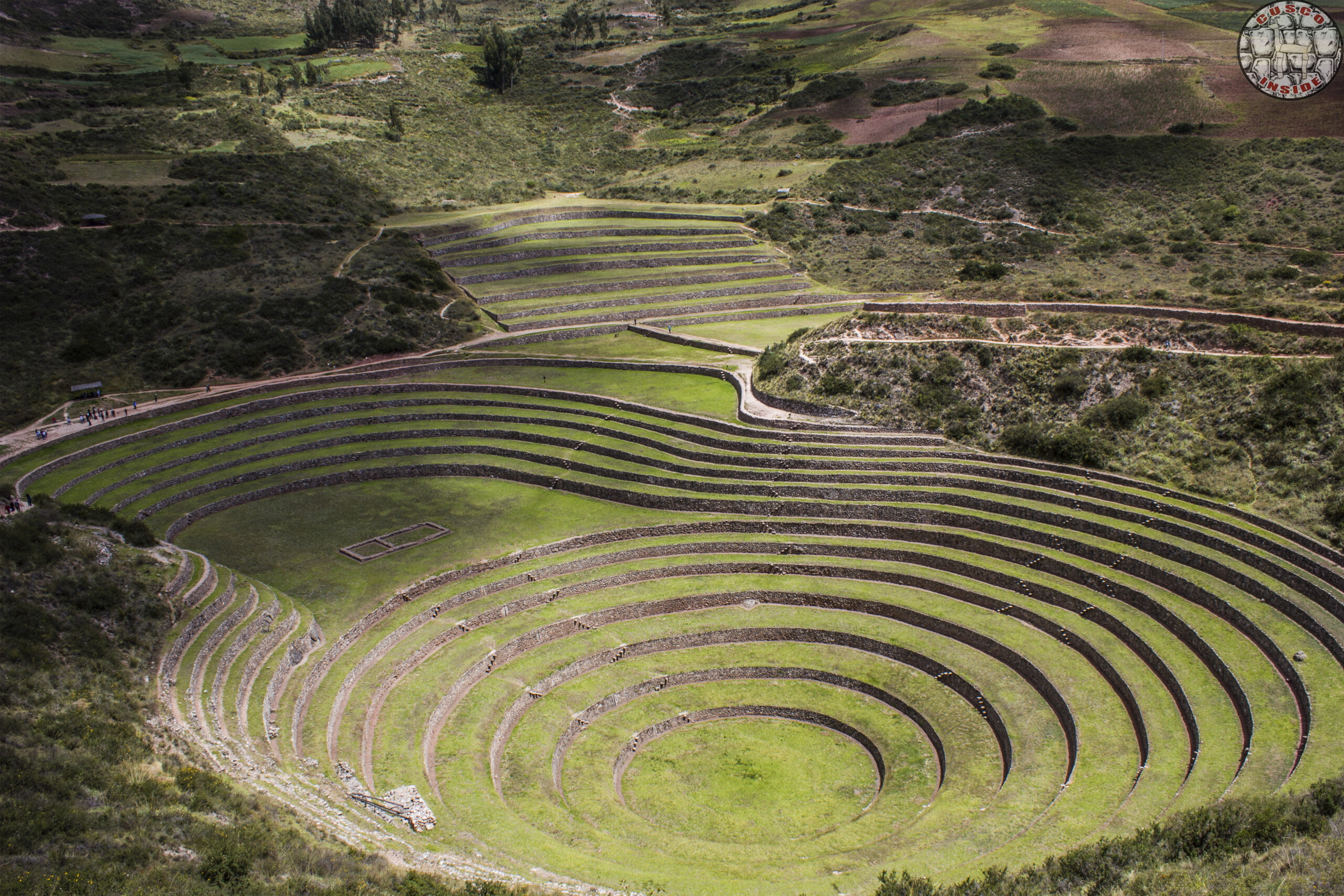
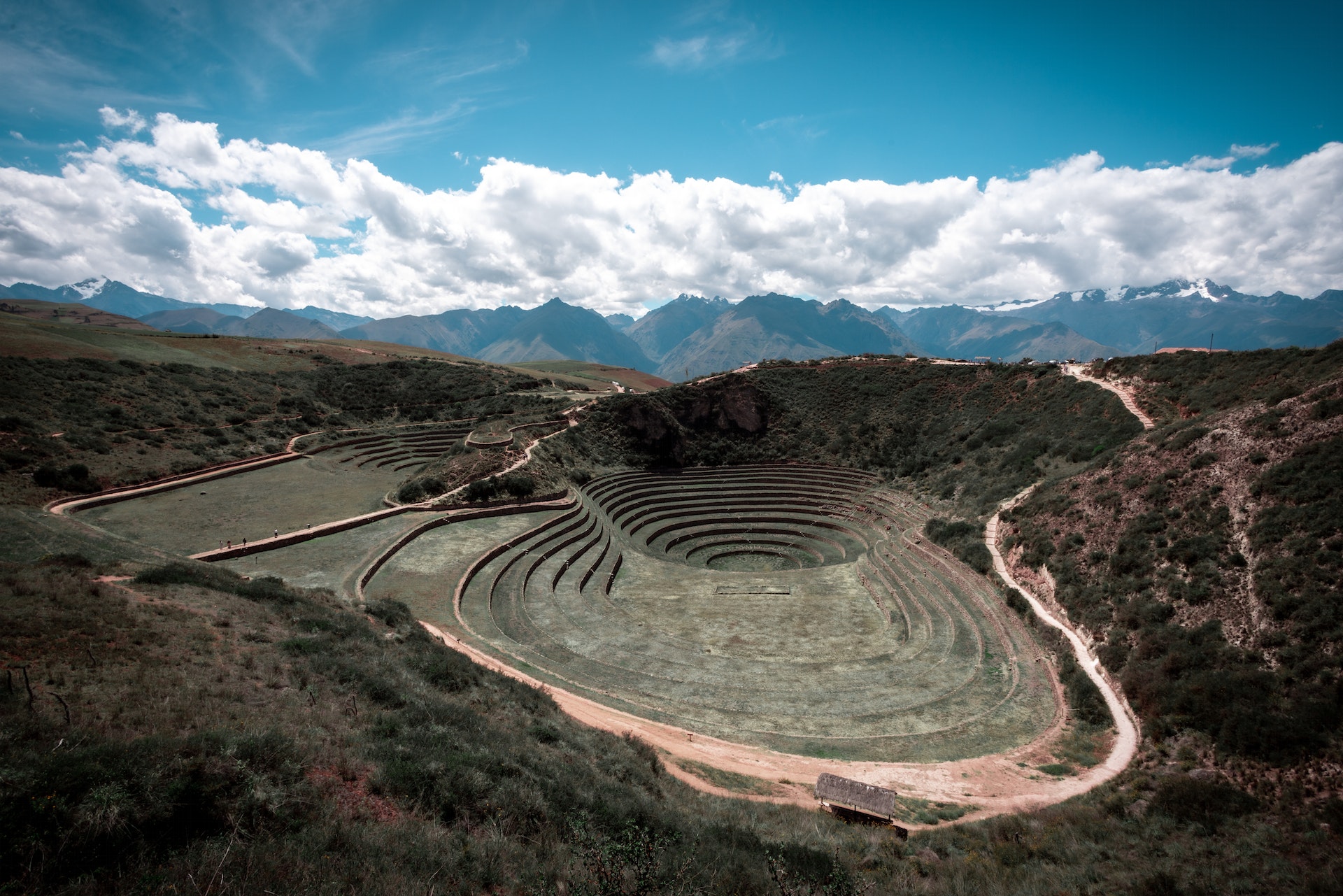
Moray is a Quechua word that names an area occupied since time immemorial by the farming communities of Mullak’as and Misminay. According to historian Edward Ranney, the Incas used the terraces of Moray, set apart from the major settlements, as a site for agriculture, perhaps to develop their most prized crop: the coca leaf.
John Earls, for his part, claims to have discovered vertical stones on the terraces that would mark the limits of the evening shadows during the equinoxes and solstices; the locals call these stones “ñustas”. Earls concludes that each terrace in Moray reproduces the climatic conditions of a different ecological zone of the Inca Empire.
Thanks to its sheltered position, each of these terraces represents approximately one thousand meters of altitude under normal farming conditions. As a whole, the complex would contain twenty or more ecological zones in miniature. The Moray site may also have served the Incas to calculate annual production in different parts of the vast Tawantinsuyu.
It is even known that the Incas produced sixty percent of vegetable species, three thousand varieties of potato, corn and many other species on the terraces of Moray. It was also an important center for the domestication, acclimatization and hybridization of wild species adapted for human consumption.
Between September and October, hundreds of villagers from the neighboring communities gather at the circular terraces of Moray to celebrate Moray Raymi, the festival of the sun. The celebrations include folk dances related to the earth, its produce and farm work.