Tour duration: 1 day.
Frequency: private tours only.
Start time: 6:45 am.
Our AYMARA ROUTE tour begins with pick-up at your hotel in Puno, from where we set out to visit the following places:
Tour duration: 1 day.
Frequency: private tours only.
Start time: 6:45 am.
Our AYMARA ROUTE tour begins with pick-up at your hotel in Puno, from where we set out to visit the following places:
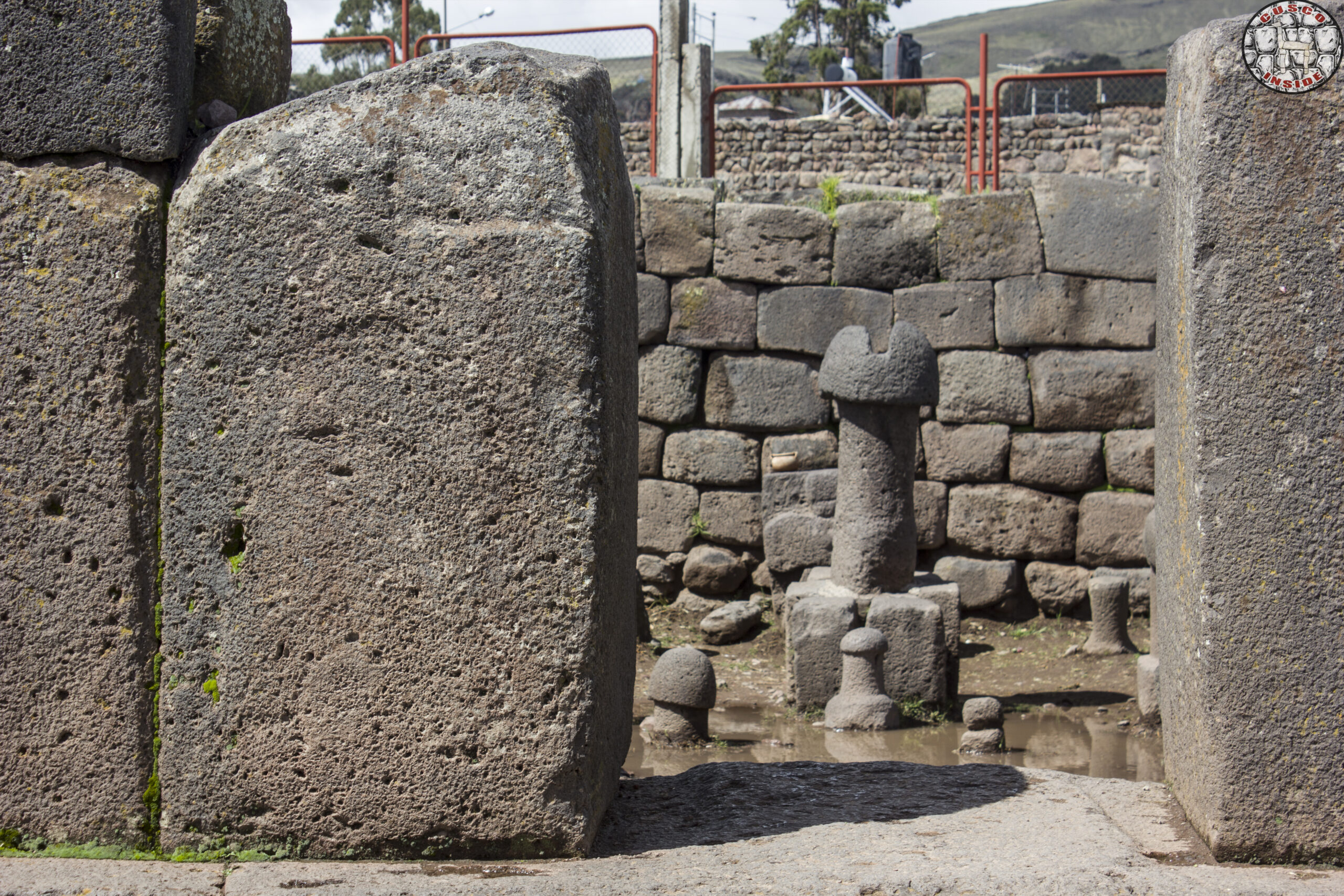
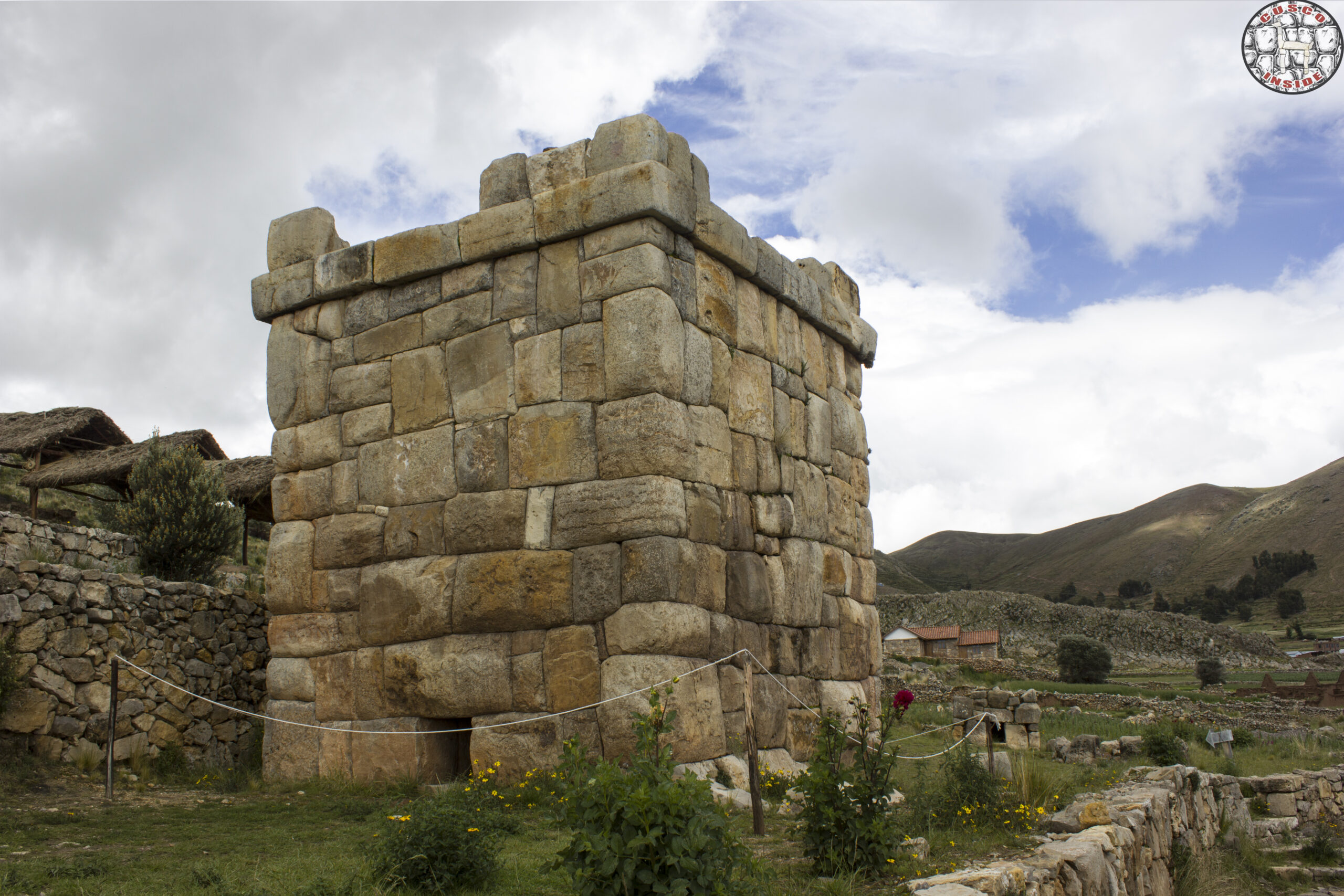
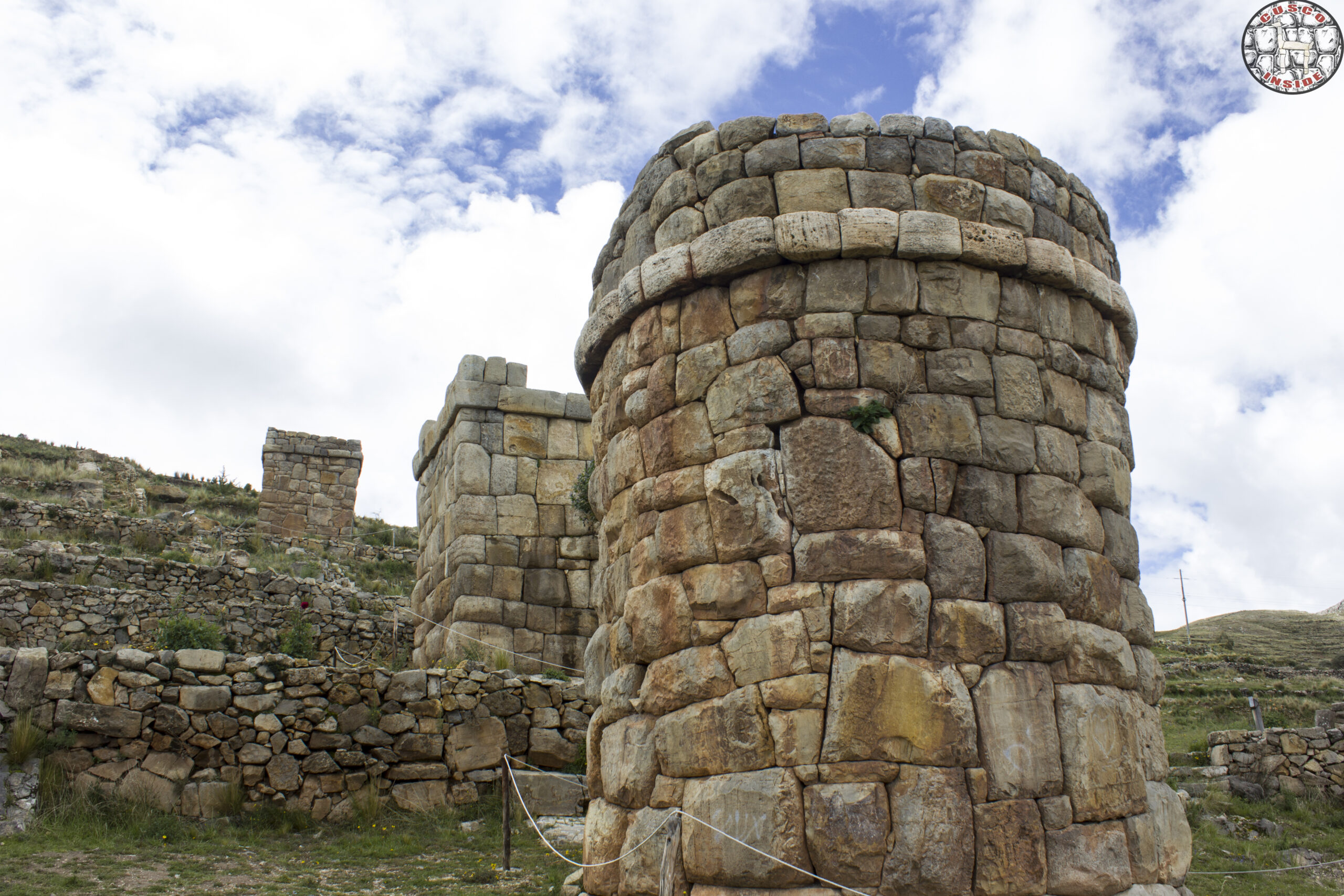
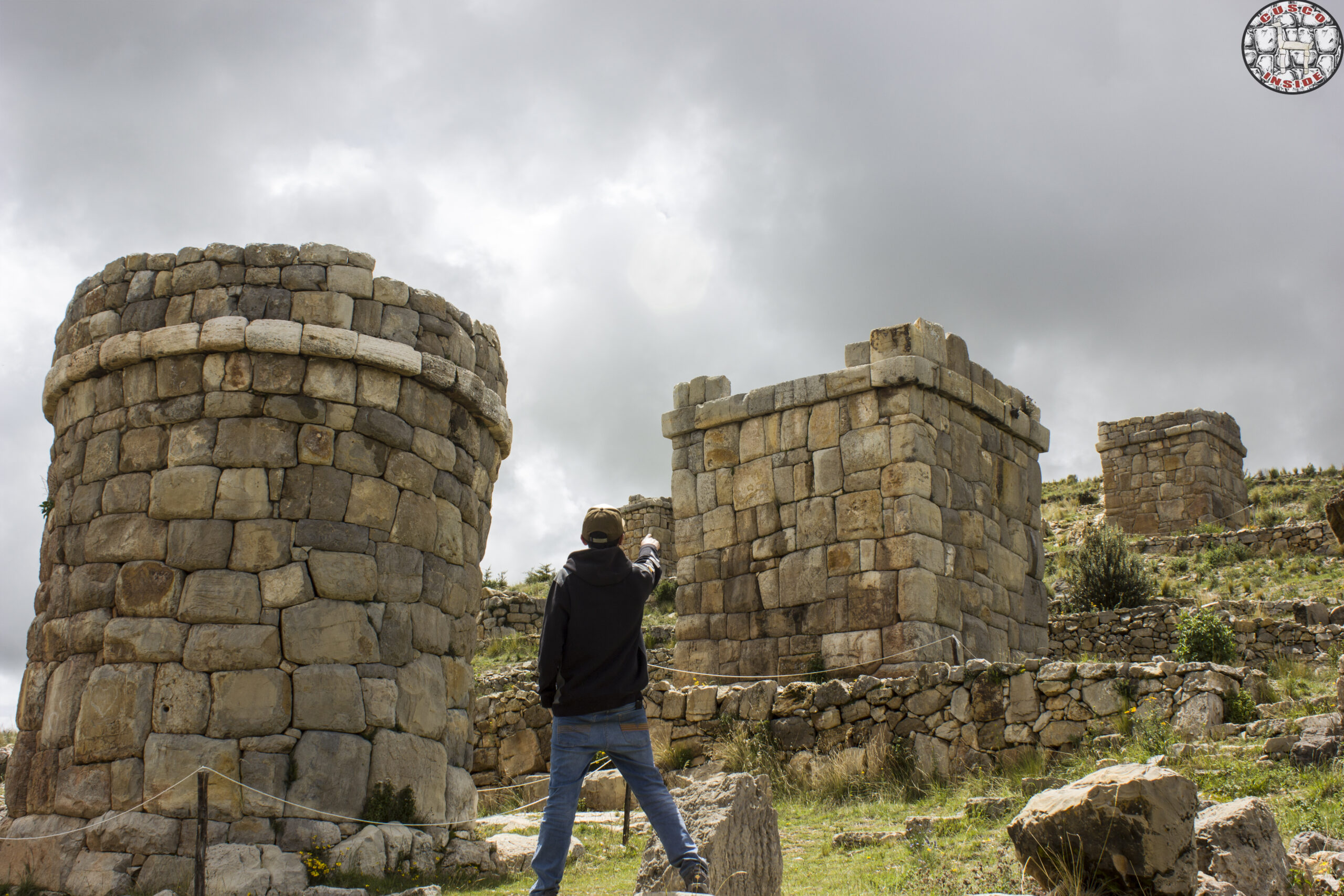
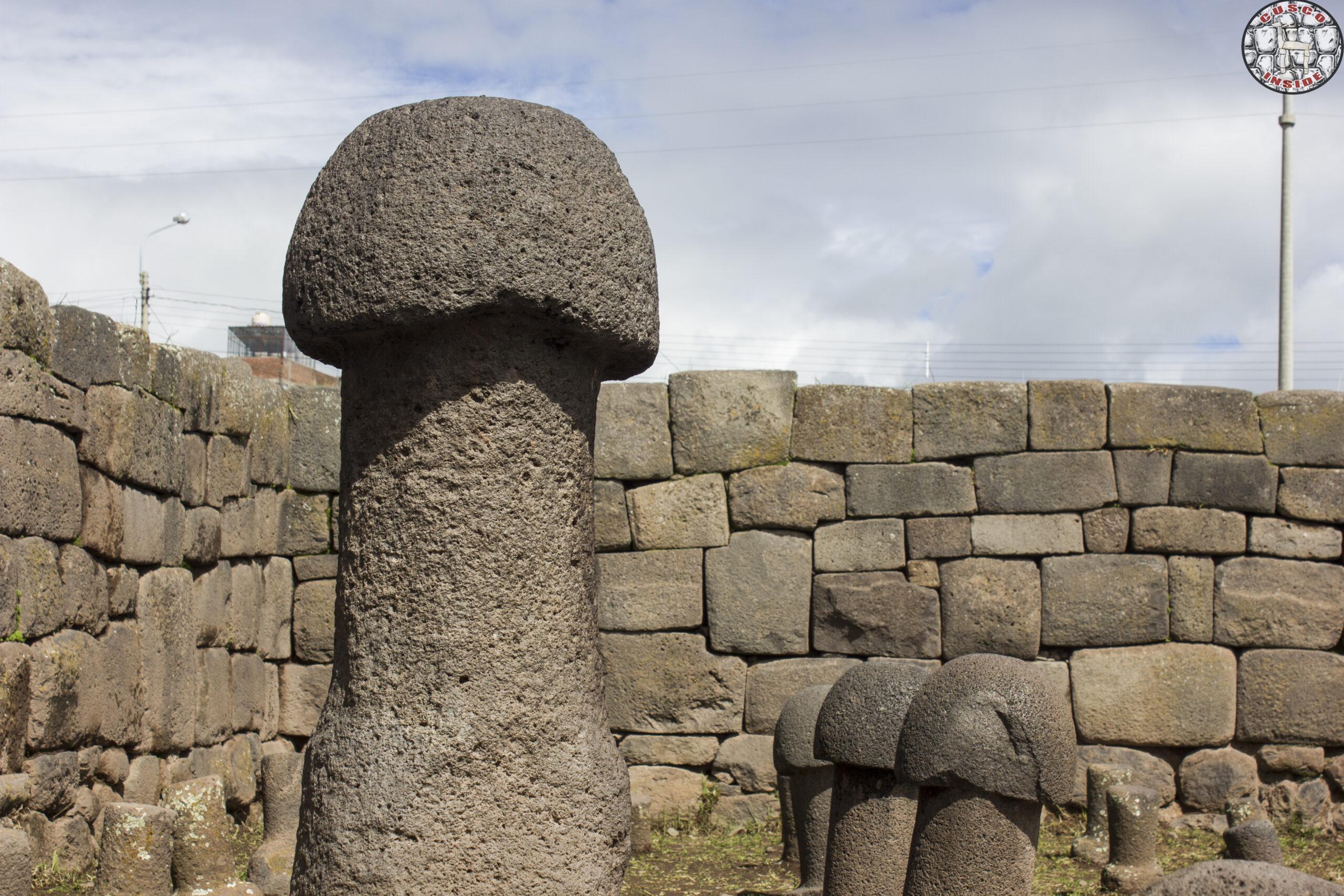
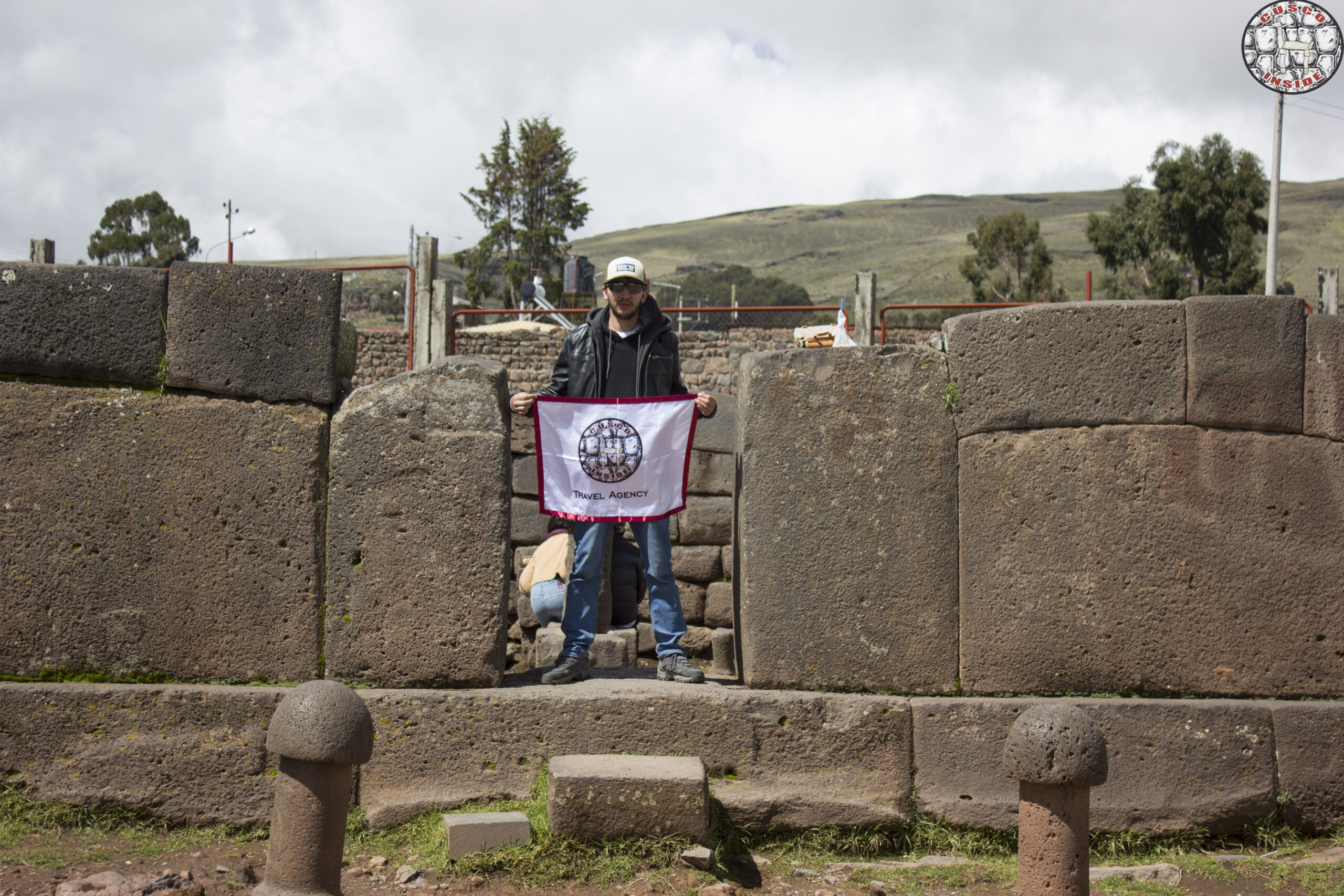
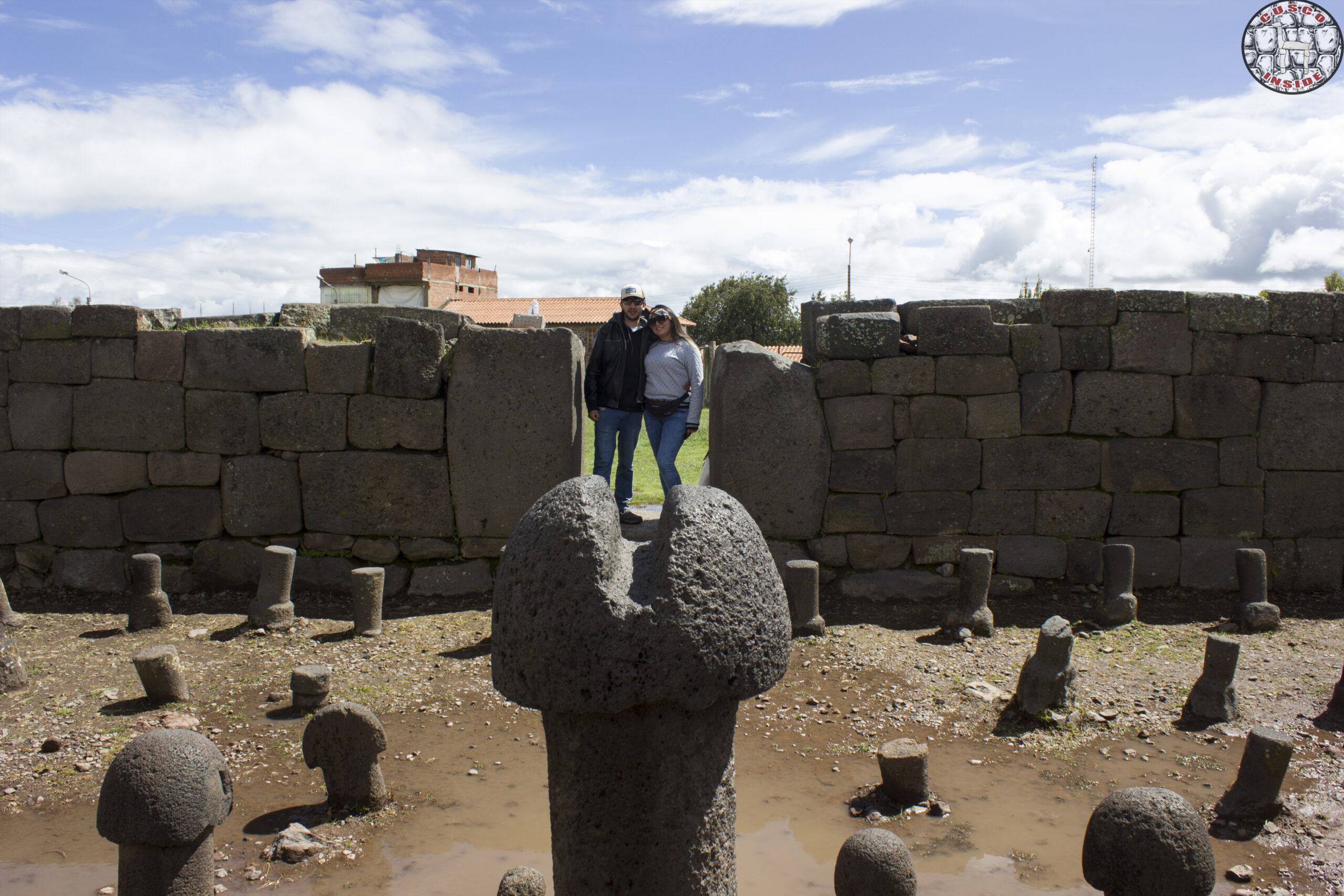
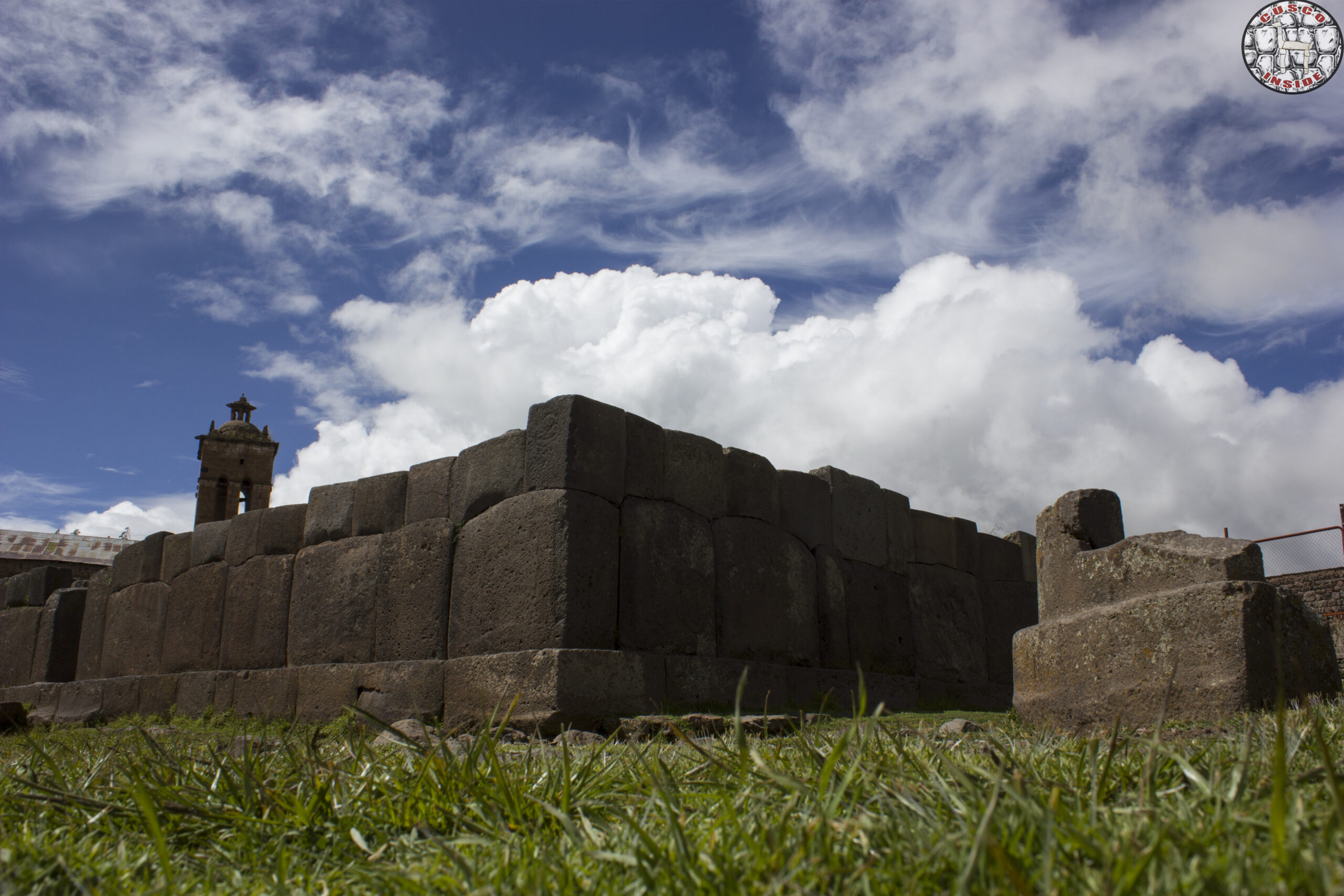
CHUCUITO: The town of Chucuito is located 18 km (a 20-minute drive) south of the city of Puno on the highway to Bolivia. It is known as the town of the Royal Treasury (Cajas Reales), since taxes were collected here in colonial times, mainly from the famous Laykakota silver mines of Puno, Peru. You will also visit the famous fertility temple known as “Inka Uyo,” formerly called the Temple of the Sun (Inca period).
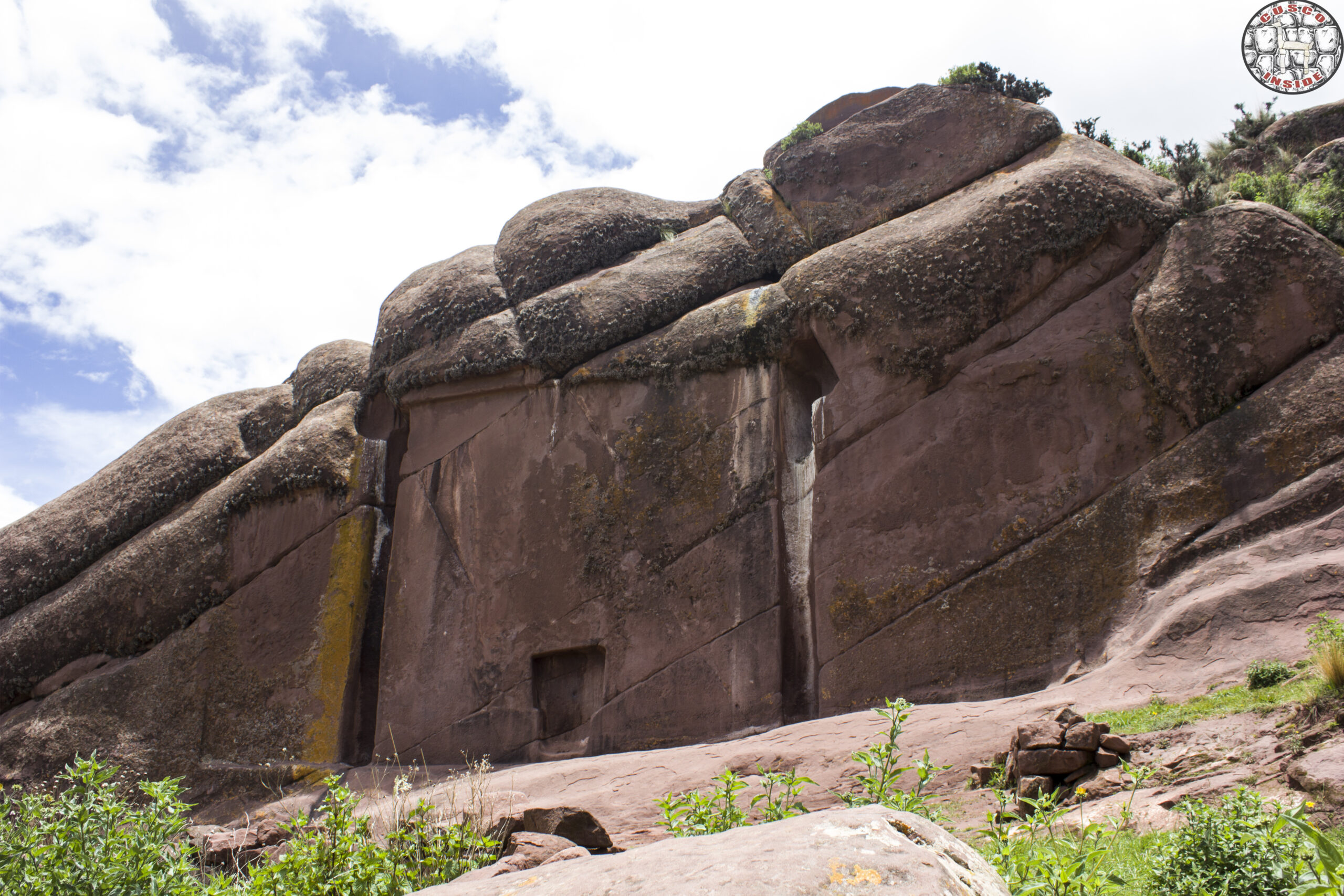
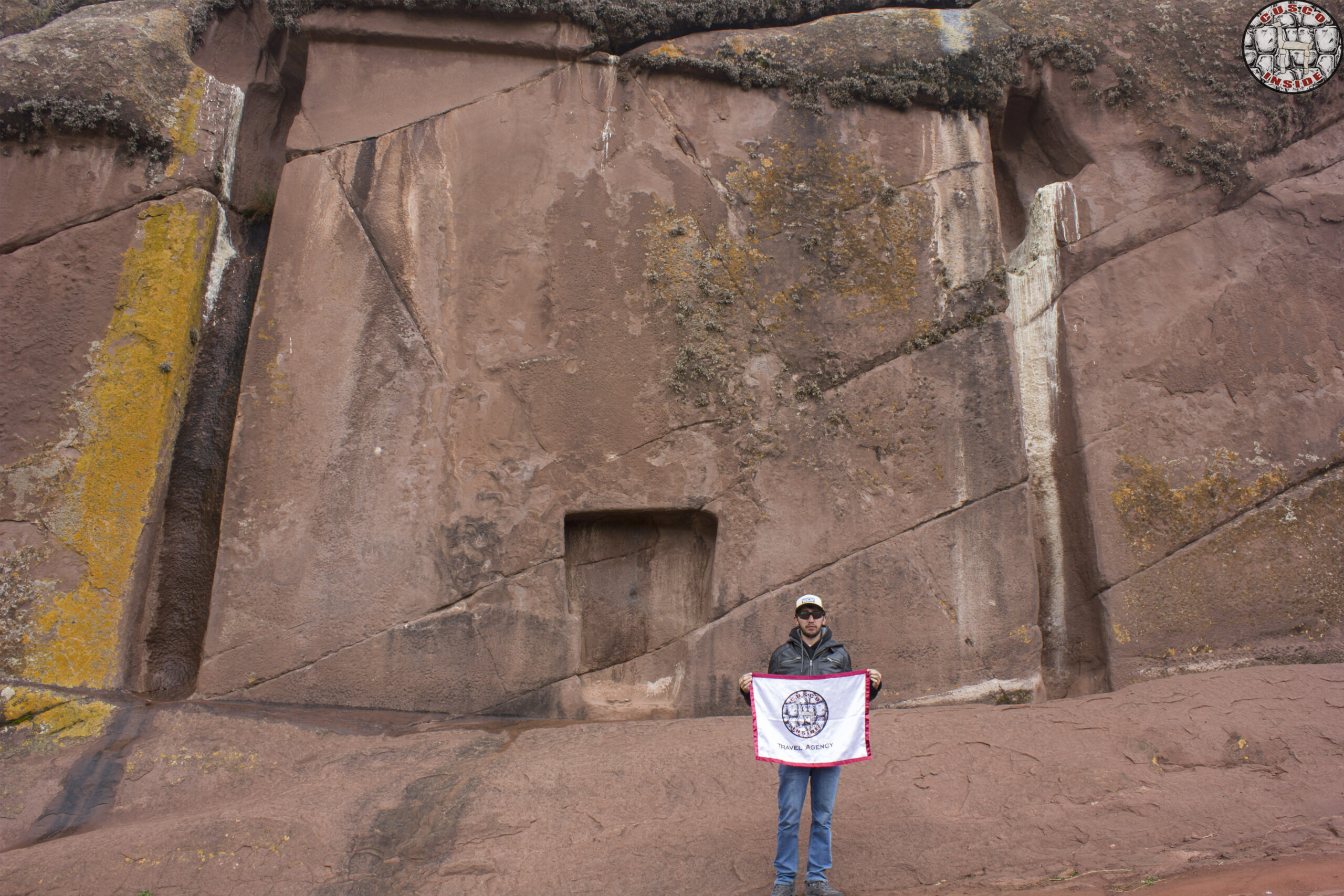
ARAMU MURU: Also known as Wilca Uta, it is located 75 km (a 1 hour 20 minute drive) from Puno in the area called Altarani, Juli, on the highway to Bolivia. Aramu Muru is a rock with a doorway carved in bas-relief. Legend has it that Aramu Muru (a god of the pre-Inca era) disappeared through this door carved in the stone (Hayu Marka, “city of the spirits”), taking with him a solar disc of the Lemurians so that it would not be stolen by the conquistadors.
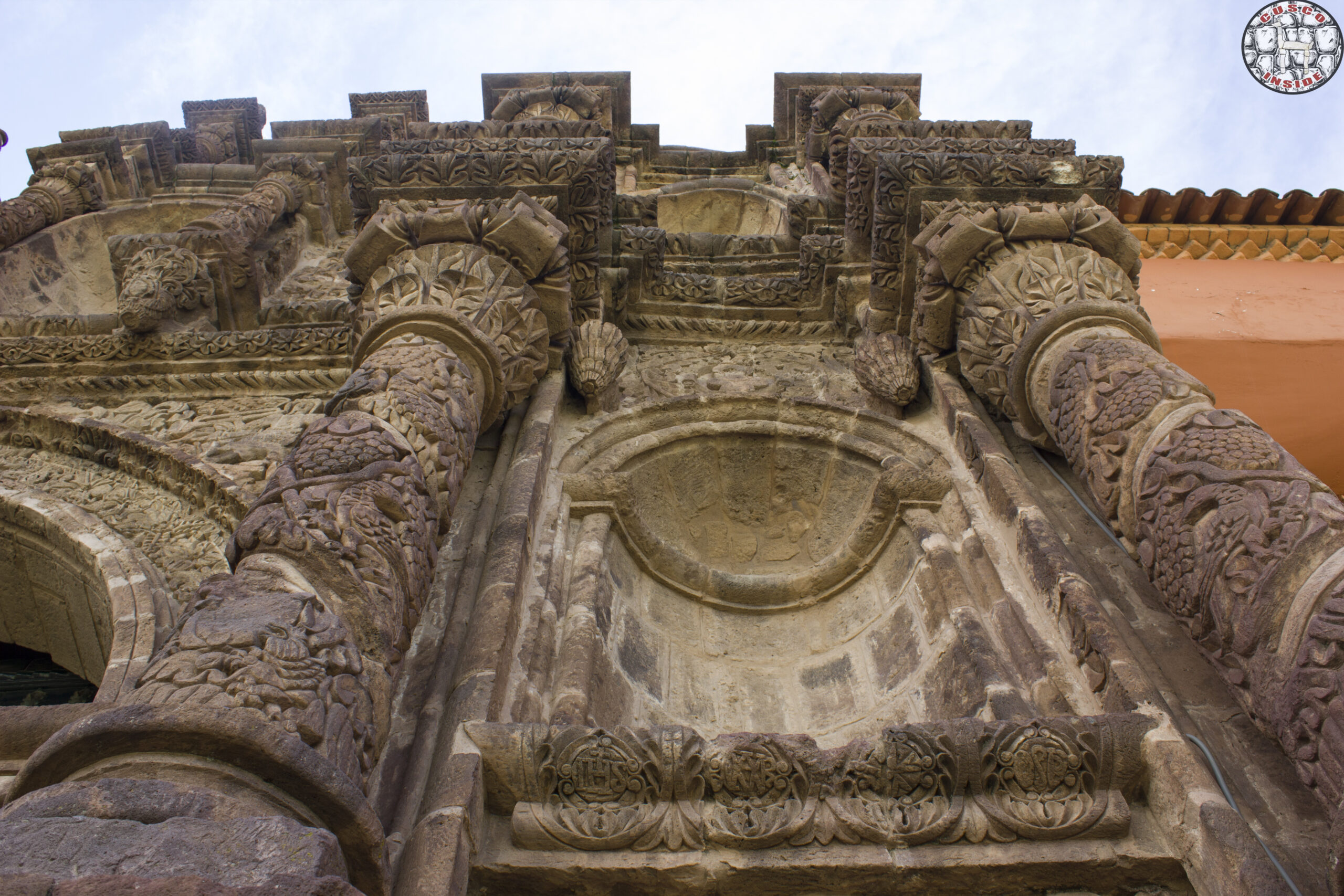
JULI: Located 79 km (a 1 hour 30 minute drive) from the city of Puno. The town of Juli is also known as the “Little Rome of the Americas.” The first missionaries (Dominicans) arrived here in 1539, as Juli was part of the Lupaca kingdom, and established doctrinas to evangelize the population, building churches like those of Rome, Italy. Juli today has 4 churches with names similar to those in Rome: San Pedro, Santa Cruz, Nuestra Señora de la Asunción and San Juan de Letrán, and history tells that each church had its own congregation. The churches of Juli have windows made of alabaster, a stone that captures the light.
POMATA: Located 105 km (a 2-hour drive) away, Pomata was founded by the Spanish in 1534 and is known today as the “philosophical balcony of the Altiplano” for its spectacular views over Lake Titicaca. In 1540 the Santa Bárbara chapel was built at the foot of Calvario hill, and in 1576 the Baroque colonial church of Santiago Apóstol was built with reddish local stone; inside are catacombs holding the remains of the bishops of the Altiplano. The first settlers called the area Puma Uta, which the Spanish would later call Pomata. We then make the return trip to Puno (about 2 hours), and after dinner we head to the bus terminal for the Puno – Cusco bus.
THE TOUR INCLUDES:
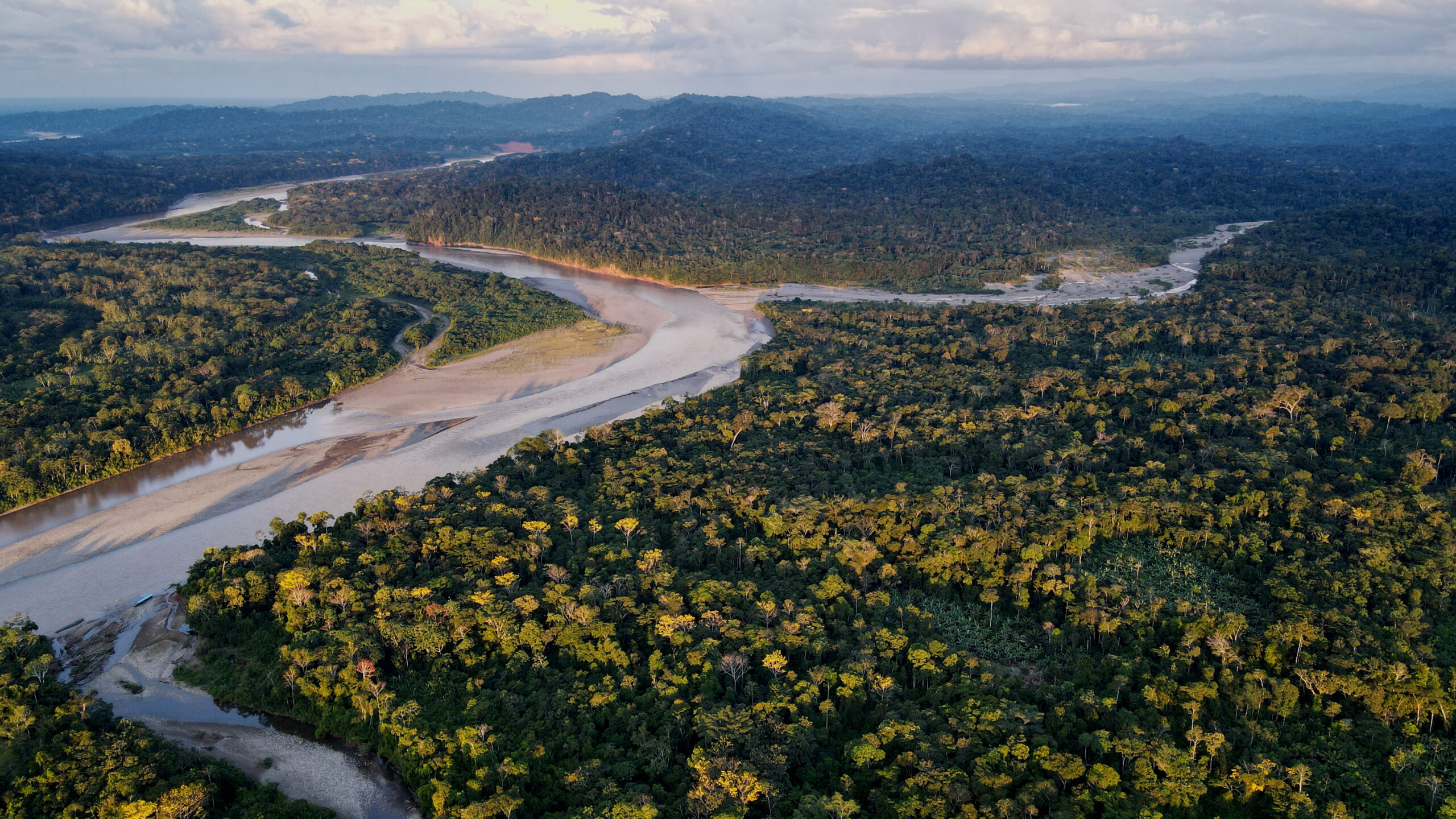
Four days in the Peruvian Amazon: jungle lodge on the Madre de Dios River, Lake Sandoval, night safari…
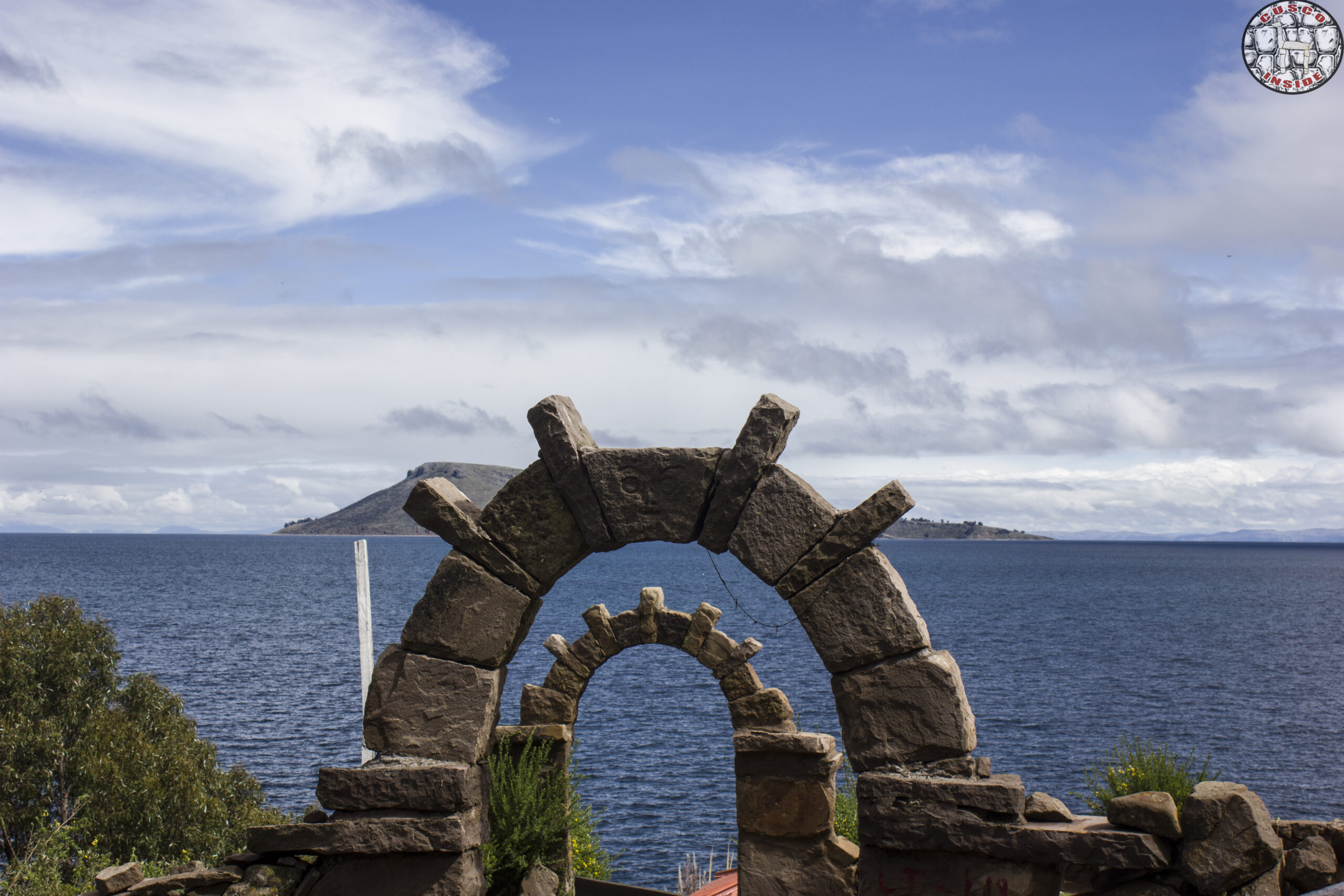
Travel overnight by tourist bus from Cusco to Puno and spend a full day on Lake Titicaca visiting…
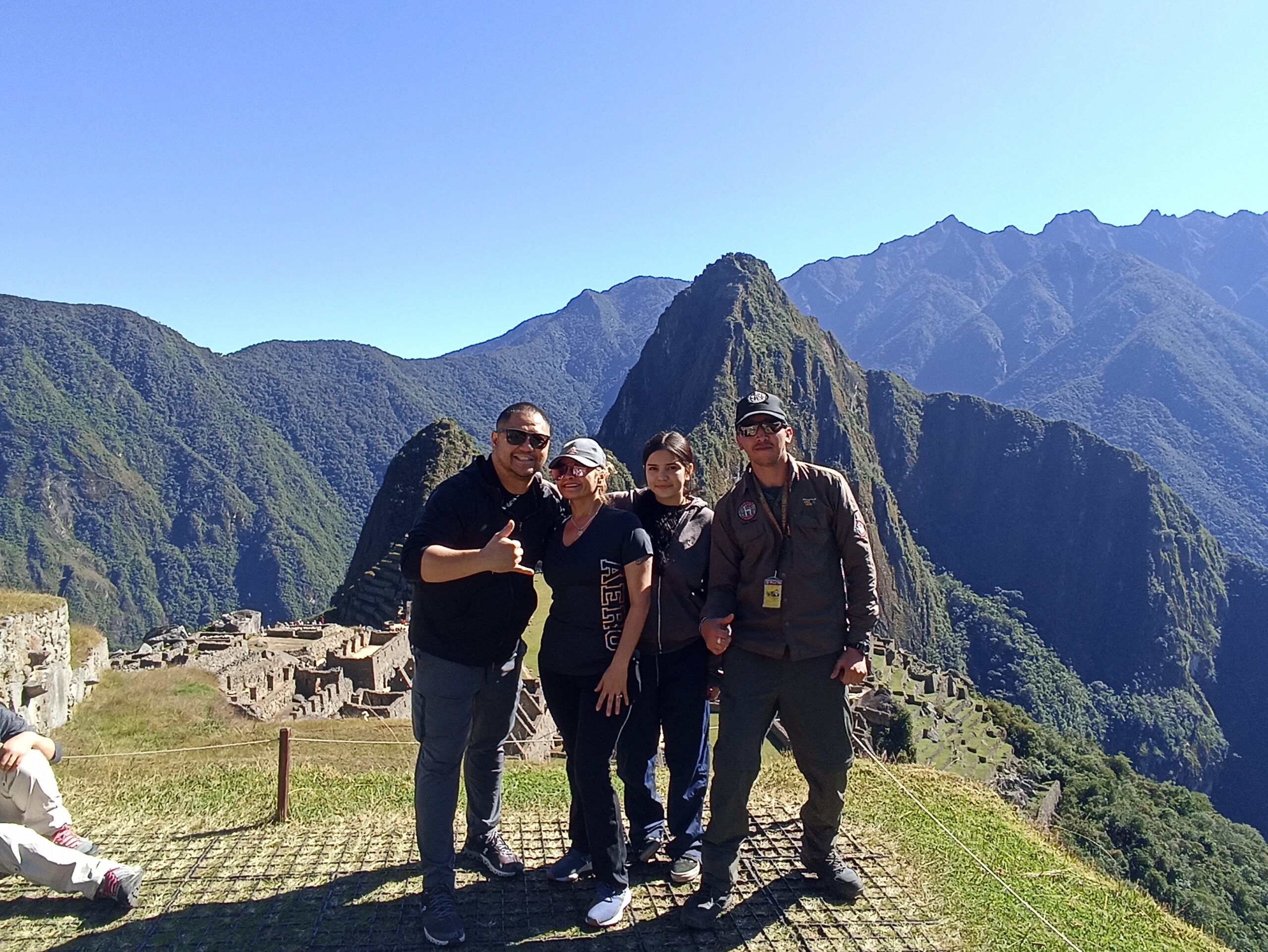
Visit the Inca citadel of Machu Picchu in a single day: tourist train from Ollantaytambo, Consettur bus, entrance…
Step 1 of 5 · Destinations