On most trips it is better to visit the Sacred Valley before Machu Picchu: the valley is lower than Cusco, helps you acclimatize, and the train to Machu Picchu leaves from Ollantaytambo at the end of the valley. Doing it afterwards makes sense if you have already spent days in Cusco or you are doing a multi-day trek.
Why before usually works better
- Altitude: Cusco is at 3,400 m; Pisac at 2,970 m and Ollantaytambo at 2,790 m. Sleeping lower on your first nights helps your body adjust.
- Logistics: if you end the day in Ollantaytambo, the next morning’s train is a few minutes from your hotel, instead of a pre-dawn 90-minute drive from Cusco.
- Context: Pisac, Moray and Ollantaytambo help you understand Machu Picchu: terraces, temples and the way the Incas worked stone.
Before or after, compared
| Valley before Machu Picchu | Valley after Machu Picchu | |
|---|---|---|
| Acclimatization | Better: you sleep lower on arrival | Worse if you land in Cusco and stay there first |
| Train | From Ollantaytambo, near your hotel | From Cusco or Poroy, or an early drive to Ollantaytambo |
| Best for | Short trips, families, first time at altitude | Travelers already acclimatized, or ending the trip with rest days |
| With a multi-day trek | Works as acclimatization beforehand | A good rest after the Inca Trail or Salkantay |
When after is better
- You have already spent days in Cusco: once you are acclimatized, the order matters less.
- You are hiking the Inca Trail or Salkantay: treks leave Cusco before dawn, and many travelers finish with a couple of quiet nights in the valley. Compare the routes in Inca Trail or Salkantay for your first trek.
- You want to end the trip relaxing: valley hotels are quieter than the city.
What to see in the Sacred Valley
| Place | Approx. altitude | What it is |
|---|---|---|
| Pisac | 2,970 m | Inca terraces and citadel above the town, plus its market |
| Ollantaytambo | 2,790 m | Inca fortress and a town with its Inca layout; the train leaves from here |
| Moray | About 3,500 m | Circular terraces the Incas used for farming |
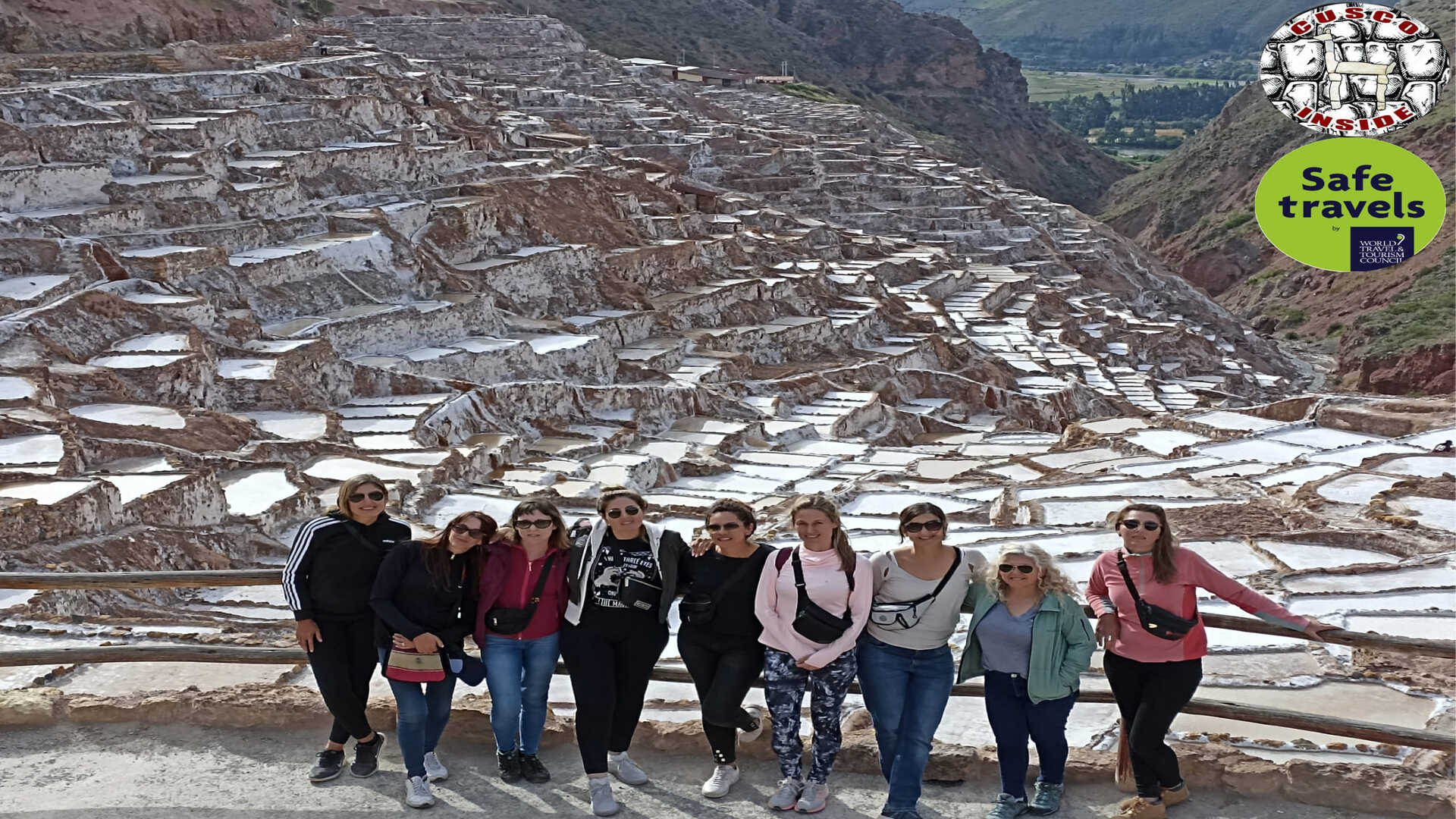
| Maras | About 3,300 m | Thousands of salt pans on the hillside |
| Chinchero | 3,760 m | Weaving village and colonial church on Inca walls |
Note that Chinchero, Moray and Maras are higher than Cusco. On your first day at altitude, start with Pisac and Ollantaytambo and leave the others for later.
Three sample itineraries
3 days: the essentials
- Day 1: arrive in Cusco, transfer to the valley, Pisac and Ollantaytambo; night in Ollantaytambo.
- Day 2: Machu Picchu and back to Cusco.
- Day 3: Cusco and a city tour.
Hour by hour in Cusco and Machu Picchu in 3 days.
5 days: at an easy pace
- Day 1: arrive and transfer to the valley; free afternoon.
- Day 2: VIP Sacred Valley or Pisac, Maras and Moray; night in the valley.
- Day 3: Machu Picchu and a night in Aguas Calientes.
- Day 4: free morning in Aguas Calientes and back to Cusco.
- Day 5: Cusco and departure.
With a trek
- Days 1 and 2: valley and Cusco to acclimatize.
- Days 3 to 6: Inca Trail or Salkantay to Machu Picchu.
- Day 7: rest in the valley or in Cusco.
Where to stay
Ollantaytambo is the most practical if Machu Picchu is the next day: the station is steps away. Urubamba sits in the middle of the valley, has many hotels with gardens and its own train station. Pisac is small and quiet, but farther from the train.
FAQ
Can I see the Sacred Valley and Machu Picchu on the same day?
Not comfortably. They are two full days; squeezing them together means rushing both.
Do I need the Tourist Ticket for the valley?
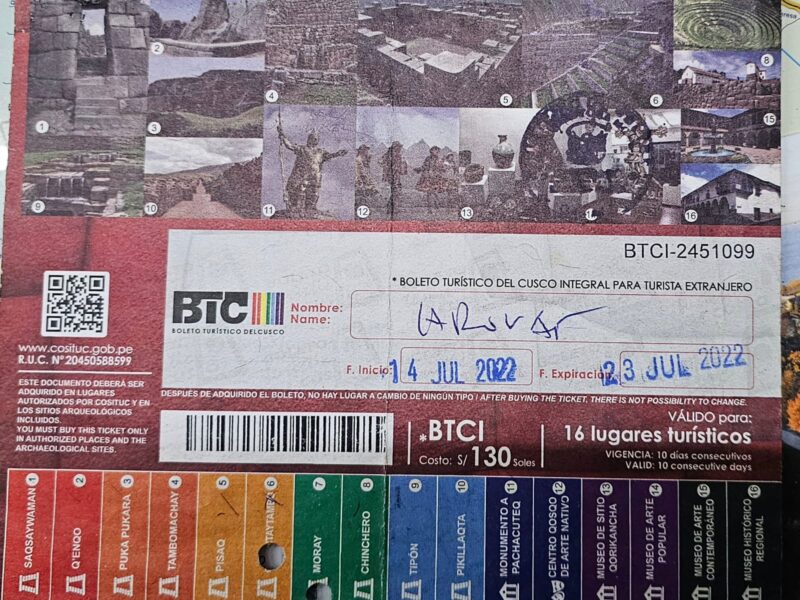
Yes, for Pisac, Ollantaytambo, Moray and Chinchero. Tours do not include it; see prices and circuits in Cusco Tourist Ticket.
Which valley tour should I pick?
The Classic Sacred Valley (from US$ 40) visits Chinchero, Ollantaytambo and Pisac; the VIP Sacred Valley (from US$ 45) adds Maras and Moray. All tours are on our Sacred Valley tours page.
We can also set the order for you in a custom Peru tour package.
Altitudes rounded from common references and Cusco Inside itineraries. Information checked in November 2026.